Unlocking Potential of Stainless Steel Grease Nipples in UAE Industries

In UAE industries where precision and performance drive progress, stainless steel grease nipples have proven to be small yet essential components powering heavy machinery. These fittings ensure smooth lubrication flow, protect moving parts, and extend machine life across construction, oil & gas, and manufacturing sectors.

What Are Stainless Steel Grease Nipples?

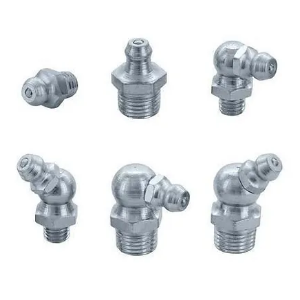
Stainless steel grease nipples, also known as grease fittings or zerk fittings, allow grease to be injected directly into machine components such as bearings, shafts, and joints. Their corrosion-resistant stainless steel design ensures they perform reliably even under the toughest UAE environmental conditions including heat, humidity, and dust.

These fittings are built for efficiency, ensuring consistent lubrication delivery to all high-friction areas, minimizing wear, and reducing the risk of breakdowns.

1. The Backbone of Machinery Longevity

In industrial settings across Dubai and Abu Dhabi, equipment faces constant stress. Stainless steel grease nipples ensure that moving parts remain properly lubricated, minimizing wear caused by friction. This directly translates into fewer breakdowns, less downtime, and longer machinery life — crucial for productivity-driven industries.

2. Superior Resistance to Corrosion and Pressure

Regular fittings can rust and fail under pressure, but stainless steel grease nipples are designed to endure it all. Their high-pressure and corrosion-resistant properties make them the preferred choice for heavy-duty applications such as cranes, loaders, excavators, and manufacturing lines in the UAE.

3. Benefits of Stainless Steel Grease Nipples

Corrosion Resistance: Perfect for coastal and high-humidity areas like Dubai, where regular fittings degrade quickly.
High Pressure Endurance: Maintains optimal lubrication flow in heavy machinery and industrial systems.
Extended Equipment Life: Reduces mechanical wear, enhancing performance and minimizing costly repairs.
Minimal Maintenance: Requires little upkeep due to robust stainless steel construction.
Eco-Friendly Performance: Promotes energy efficiency and sustainability by reducing friction-related power losses.

4. Maintenance Tips for Stainless Steel Grease Nipples

Proper maintenance ensures your grease fittings last and perform optimally:

  • Clean Before Greasing: Always wipe away dust or debris before applying grease to prevent contamination.
  • Use Compatible Grease: Choose the right type of grease recommended for your machine’s material and environment.
  • Inspect Regularly: Check for blockages, leaks, or worn threads to avoid lubrication failure.
  • Replace When Necessary: Damaged or clogged nipples should be replaced immediately to maintain consistent performance.

Following these tips ensures your stainless steel grease nipples keep machinery running efficiently and reduce maintenance downtime.

5. Future Prospects and Innovations

The future of lubrication technology in the UAE is moving toward smart and automated systems. Innovations like sensor-equipped grease fittings and automatic lubrication devices are becoming more common in industrial sectors. These advancements enhance precision, reduce manual maintenance, and improve overall equipment efficiency.

As industries adopt digital monitoring systems, stainless steel grease nipples will continue evolving to integrate seamlessly with modern lubrication control units — ensuring both reliability and sustainability in the years ahead.

Where to Buy in UAE

If you are looking to buy stainless steel grease nipples in Dubai or anywhere in the UAE, K. Hashim LLC offers premium, high-performance fittings built to withstand industrial demands. As a trusted industrial tool supplier, we provide a wide range of lubrication components tailored for heavy machinery and construction equipment.

FAQs

What are grease nipples called?

Grease nipples are also called grease fittings or zerk fittings. They allow grease to be injected into bearings, joints, and other moving parts for smooth operation.

Do grease guns fit all nipples?

Not all grease guns fit every nipple. It’s important to match the gun’s coupling type and size to ensure proper lubrication without leaks or damage.

Can grease nipples be repaired?

In most cases, clogged or damaged grease nipples cannot be repaired and should be replaced. Using a high-quality stainless steel nipple ensures durability and reduces maintenance frequency.

What is the purpose of a grease fitting?

A grease fitting delivers lubricant directly to moving parts in machinery, reducing friction, preventing wear, and extending equipment lifespan.

Conclusion

From construction cranes to automated manufacturing lines, stainless steel grease nipples are the hidden champions of machinery performance. Their durability, corrosion resistance, and precision lubrication make them essential for every industrial operation in the UAE. Investing in these fittings ensures better efficiency, lower maintenance, and extended machine life.

Find and contact grease nipple suppliers and dealers in Dubai to get high-quality fittings designed for heavy-duty machinery and industrial excellence.

Explore More Expert Insights

Discover deck & engine components, marine epoxies, fasteners, fittings, flanges, valves, and gauges for your next project.

Tips On Using Fasteners For High-Temperature ApplicationsGuide to Using Fasteners Safely in High-Temperature Settings

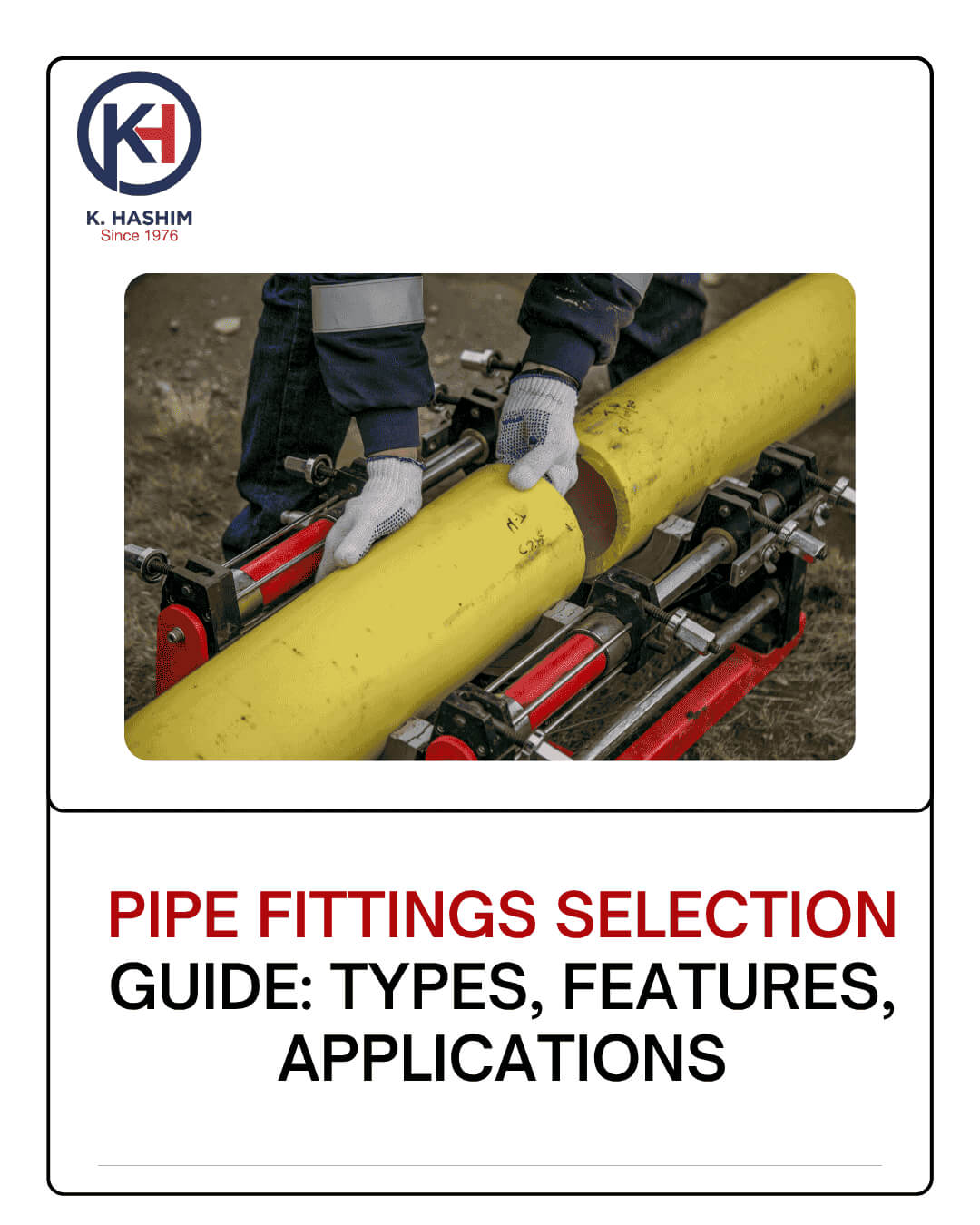
Pipe Fittings Selection Guide: Types, Features, ApplicationsComplete Guide to Choosing Pipe Fittings for Every Job

Guide to Choosing Steel Flanges for Industrial Piping in DubaiSelecting the Right Steel Flanges for Industrial Piping

Choosing the Right Sounding Cock Test Valve Supplier in UAEFind Trusted Sounding Cock Test Valve Suppliers in UAE

PPE Kit Guide: Safety Equipment Standards & RequirementsComprehensive PPE Kit Guide for Safety Compliance in UAE

Evolution of Personal Protective Equipment (PPE) in the Workplace

Personal Protective Equipment (PPE) is one of the main components of workplace safety that is used to protect employees against hazards in any industry such as construction and manufacturing, oil and gas, logistics, and healthcare. Our Top PPE in Dubai that we rely on today did not appear overnight. It has developed over centuries of trial, error, and innovation. 

The evolution of PPE is as humble as wood clogs and simple leather aprons, and as ambitious as smart helmets and IoT-connected safety equipment, but it all points to one thing: a rapidly growing interest in the safety of workers.

In this blog, we will trace the history of PPE as it evolves through some of the more defining moments: the pivotal beginnings, the emergence of contemporary equipment, changes in the materials and design, the influence of technology and its contribution to safety in the rest of the world, and what the future has in store. In the process, we will point at such typical examples as Eye Protector Goggles, Eye Wash Stations, Safety Gloves, Safety Helmets, Safety Shoes, Webbing Slings, and Coveralls characteristic of the current protective solutions.

Early Days of Personal Protective Equipment

The earliest PPE consisted of reactive and homemade simple PPE. Simple clothing was developed where blacksmiths wore thick leather aprons to help keep off sparks, miners wore cloth over their noses to diminish the dust found in their lungs, and basic wooden or metal helmets were developed as protection in dangerous working environments. 

By the time of the Industrial Revolution, improvised methods were more common as the new industries grew and their machinery more hazardous. The dangers in place in factories and mines necessitated the lack of attention paid to worker hazards due to the prevalence of risks that welcomed injuries due to cases of chemical exposure and falling objects. 

Deaths and injuries were viewed as a constraint of business. This absence of regulation forced workers to use crude self-made PPE and was therefore the earliest of times in PPE.

Introduction of Modern PPE

The early 20th century marked the turning point for workplace safety. Growing awareness of occupational hazards and labor activism led to the introduction of standardized protective gear. Employers began distributing equipment like Safety Helmets for construction workers and gloves for factory operators, while safety footwear evolved into heavy-duty boots designed to prevent punctures and crush injuries.

It was also during this time that garments like the Coverall became common. These one-piece suits provided comprehensive coverage against dust, oil, and sparks, particularly in manufacturing and oil industries. PPE was no longer improvised but manufactured specifically to protect workers, laying the foundation for today’s sophisticated safety gear.

Advancements in PPE Materials and Design

The mid-20th century saw a revolution in materials science, leading to lighter, stronger, and more comfortable PPE. Synthetic fabrics like Kevlar and neoprene, combined with innovations in plastics and composites, made equipment far more effective.

For instance, Safety Shoes evolved from heavy steel-toed boots into lighter, ergonomic footwear with slip-resistant soles and composite toe caps. Workers in chemical plants and laboratories began using Eye Protector Goggles with anti-fog coatings, UV protection, and ventilation, improving both visibility and comfort. 

In logistics and construction, Webbing Slings made from high-strength polyester replaced traditional chains, offering safer and more efficient load handling. This era emphasized ergonomics as much as safety, ensuring PPE encouraged consistent use without compromising performance.

Role of Technology in PPE

The modern workplace has ushered in a new era of “smart” PPE. Wearable devices, sensors, and connected technologies now enhance worker protection by predicting and responding to hazards in real time.

Examples include:

  • Smart helmets with sensors to detect environmental hazards, monitor fatigue, and alert workers to potential risks.
  • Augmented reality glasses that overlay safety instructions or hazard warnings on a worker’s field of vision.
  • IoT-enabled safety gear that connects workers to supervisors, ensuring instant alerts during emergencies.

Even safety infrastructure has evolved. Modern Eye Wash Stations feature hands-free operation, antimicrobial systems, and timed flows, allowing workers to respond quickly to chemical exposure.

Technology has transformed PPE from a passive barrier into an active safety system.

Impact of PPE on Safety Standards

The evolution of PPE has influenced and been influenced by strict global regulations. Organizations like OSHA, ANSI, and ISO have implemented safety standards requiring PPE in all hazardous environments. This has led to a significant decline in workplace injuries and fatalities worldwide.

Employers now recognize that PPE is not just a compliance requirement but an investment in workforce well-being. Equipment like Safety Gloves and helmets is standard on construction sites, while specialized industries rely on advanced solutions such as fire-resistant clothing and chemical-resistant suits. 

Even tools like Webbing Slings are part of regulatory safety systems, reducing strain injuries and lifting hazards. PPE has become a visible symbol of organizational safety culture, reinforcing accountability and care.

Future of PPE

The future of PPE is all about smarter, greener, and more customized solutions. We are entering an era where safety gear will not just protect but will actively prevent accidents through data-driven insights. Some trends include:

  • AI-powered wearables that predict accidents by analyzing movement and environmental data.
  • Exoskeletons that provide mechanical support to reduce strain during repetitive or heavy tasks.
  • Sustainable manufacturing using biodegradable and recyclable materials to reduce environmental impact.
  • Custom-fit PPE designed for diverse body types and comfort, encouraging wider adoption.

With these advancements, PPE will move from being a reactive safety measure to a proactive partner in worker protection.

Final Thoughts

The development of PPE runs parallel to society at large, evolving its focus on health, safety and innovation over time, changing, gradually, from crude leather gear to smart, connected equipment. 

Whether in the industrial, construction, or home environment, safety products such as Eye Protector Goggles, Eye Wash Station, Safety Gloves, Safety Helmets, Safety Shoes, Webbing Slings, and Coveralls are useful in safeguarding employees in any given working field.

In the opportunity of the future, technology, sustainability, and inclusivity are three areas that will further influence the PPE industry, so that workers stay safe, productive, and secure in a constantly changing and evolving risk environment. 

Firms such as K. Hashim LLC are at the forefront in the provision of quality safety products and services to make the workplaces even safer and more efficient in future generations.

Top 5 Industries That Rely on Buttweld Fittings for Reliability

Every connection counts in industrial settings. In everything from oil refineries to shipyards, a poorly constructed or selected joint in piping systems can produce leaks, downtime, and potentially costly repairs. This is why buttweld fittings are trusted by engineers, manufacturers, and contractors around the world.

These fittings can deliver strong, seamless, and durable connections for pipelines transporting fluids, gases, and chemicals at high pressures and extreme conditions.

Buttweld fittings are much more than just connectors – they are the backbone of reliability in industries where a failure is simply not an option. Their high pressure capacities, corrosion resistance, and structural rigidity are critical must-haves in modern engineering and construction practices.

In this body of knowledge, we will review what buttweld fittings are, the top 5 industries that use them, the key types of fittings, their uses and functions, and the advantages. In the end, you will understand why the selection of fittings can sometimes make or break industrial operations.

What Are Butt Weld Pipe Fittings?

Butt weld pipe fittings are specially designed fittings that create a pipe connection by welding the adjoining ends. A welded joint is a permanent connection, unlike threaded or flanged fittings, resulting in a smooth flow and leakproof connection.

The welding process makes the metal of the pipe and of the fitting one seamless piece. This process provides a one stop solution on practical piping systems, Butt weld fittings are extremely strong connections and perfect for applications where high or low pressures, high or low temperatures, or whistle systems dealing with corrosive environments.

Butt weld fittings are reasonably priced components that are used in general piping systems, Chemical plants, Power plants, etc. where safety, reliability, and efficiency are a must.

Top 5 Industries That Rely on Buttweld Fittings

Oil and Gas Industry: Energy Transport at Scale

The oil and gas industry operates pipelines that stretch across continents and oceans. Fittings such as the 45 Degree Elbow and 90 Degree Elbow are used to redirect flow, while Concentric and Eccentric Reducers connect pipes of different diameters to maintain consistent pressure.

In oil and gas operations, even a minor leak can lead to environmental hazards, financial losses, and operational delays. Therefore, using reliable butt weld fittings ensures pipelines operate safely and efficiently. The seamless nature of these fittings reduces the chances of leakage and ensures smooth fluid transport over long distances.

Petrochemical Industry: Precision for Hazardous Materials

Petrochemical plants handle highly reactive and corrosive chemicals. Piping systems in this sector rely on fittings such as the Equal Tee, Reducing Tee, and Cross Tee to distribute fluids across complex layouts.

The Stub End is often paired with flanges to allow for easy disassembly during maintenance or inspection. Because petrochemical processes involve highly sensitive and hazardous materials, any failure in the piping system can result in significant damage. Butt weld fittings provide the precision and reliability required to safely handle these chemicals under varying pressures and temperatures.

Power Generation: Strength Under Pressure

Power plants transport steam, cooling water, and chemicals at high velocity and high temperature. The Elbow 180 Degree is used to reverse flow in tight spaces, while the Cap safely seals pipeline ends during maintenance or temporary shutdowns.

Downtime in a power plant can cost millions of dollars and impact energy supply. Therefore, using durable butt weld fittings ensures the system can withstand extreme conditions and operate continuously. These fittings provide the structural integrity and leak-proof connections required for safe and efficient power generation.

Marine and Shipbuilding: Durability Against Corrosion

Ships and offshore platforms face constant exposure to saltwater, vibration, and high pressure. Buttweld fittings, often combined with corrosion-resistant materials such as stainless steel studs, ensure pipelines remain intact.

Reducers, tees, and caps are especially critical in keeping ship engines and onboard systems functioning reliably. In marine environments, a single leak can jeopardize safety, cause operational delays, and increase maintenance costs. The strength and durability of butt weld fittings make them ideal for naval and commercial shipbuilding projects.

Construction and Infrastructure: Reliability in Modern Cities

Construction projects are reliant on secure and adaptable piping systems. Skyscrapers and water treatment plants are examples of buildings/infrastructure designed with piping systems consisting of fittings that allow engineers to design complex and durable, and cost -effective piping systems.

In addition to fittings like elbows, tees, and stub ends, engineers/leads must factor in the role of butt weld fittings considered in heating, ventilation, plumbing and industrial water systems.

Of all fittings, butt weld fittings provide the lowest,reliable and long-term maintenance interval, if any at all. Butt weld fittings serve their purpose in challenging applications that require the pipelines to operate at high pressures and varying temperatures. Butt weld fittings are part of a modern era of pipelines and designed for infrastructure projects.

Key Types of Butt Weld Pipe Fittings and Their Roles

Buttweld fittings come in multiple forms, each designed to perform a specific function in piping systems. Here are the most commonly used types:

  • 45 Degree Elbow – Provides a smooth directional change in pipelines.
  • 90 Degree Elbow – Allows a sharper turn where space is limited.
  • Elbow 180 Degree – Enables complete flow reversal in tight areas.
  • Concentric and Eccentric Reducers – Connect pipes of different diameters while controlling fluid flow.
  • Equal Tee – Divides flow evenly into three directions.
  • Reducing Tee – Connects pipes of unequal sizes in branching systems.
  • Cross Tee – Provides a four-way connection for complex layouts.
  • Stub End – Works with flanges for easy assembly and disassembly.
  • Cap – Seals the end of a pipeline for maintenance or safety purposes.

Each type is engineered to reduce stress on the pipeline, improve flow efficiency, and ensure long-term performance under demanding industrial conditions.

The Advantages of Using Butt Weld Pipe Fittings

There are several reasons why butt weld fittings are preferred across industries:

  • Leak-Proof Joints – Welded connections are stronger and more reliable than threaded or mechanical alternatives.
  • Durability – They can withstand high pressure, high temperature, and corrosive environments.
  • Efficiency – Smooth internal surfaces reduce turbulence and improve fluid flow.
  • Versatility – Available in multiple shapes and sizes, allowing adaptability to any system design.
  • Cost Savings Over Time – Although installation requires skilled labor, the long service life of butt weld fittings reduces maintenance and replacement costs.

These advantages make them indispensable in industries where safety, reliability, and operational efficiency are paramount.

Conclusion

From oil & gas pipelines to marine vessels and city infrastructure, buttweld fittings are essential contributors to the success of the industrial market. The simplicity of the Cross Tee, Stub End or Cap belies that fact that as long as the welding fits, these fittings will contribute to the effectiveness of the subsequent larger force of safe & operationally sound installations.

As industry increases in complexity with demands for speed and efficiency in order to be resilient to a changing environment, this will also mean that demand for strong welded fittings will continue to expand. With the combination of strength, leak-proof, and recovery possibilities, butt weld fittings will contribute to the underpinning of the most critical piping system in the world.

If you are looking for the right piping supplier that will offer expertise and reliability, look no further than K. Hashim LLC, your supplier of choice for piping solutions with over fifty years of experience, while keeping in mind that every system is built on strength, safety, and performance long after installation.

How to Choose the Right Sounding Cock Test Valve Supplier in UAE

In the UAE’s industrial and maritime sectors, sounding cock test valves are critical for monitoring liquid levels and ensuring operational reliability.

Selecting the right sounding cock test valve supplier in UAE is vital for safety, long-term performance, and compliance with international standards.

Whether for marine vessels, oil storage tanks, or industrial facilities, the right valve ensures smooth operations and reduces downtime. This guide will help you make a fully informed decision.

Understanding Sounding Cock Test Valve Applications

Sounding cock test valves are specialized components designed to provide access points for manual liquid level measurement. They are widely used in:

-Marine vessels: Oil tankers, cargo ships, ferries, and passenger ships

-Industrial storage tanks: Oil, chemical, water, and liquid storage facilities

-Petrochemical plants and refineries: For monitoring process liquids

-Power generation plants: Ensuring safe and accurate fluid measurement

In marine environments, these valves must withstand saltwater corrosion, high humidity, and extreme temperatures. Industrial applications often involve high-pressure systems where valves must maintain accuracy and reliability over long periods.

Choosing the right application-specific valve is crucial. For example, marine sounding cock valves in Dubai must meet marine-grade standards, whereas industrial test valves in Abu Dhabi require high-pressure durability.

Essential Quality Standards and Certifications

A certified supplier ensures high-quality, reliable valves that meet UAE industrial and maritime requirements. Look for compliance with international standards such as:

-JIS (Japanese Industrial Standards)

-DIN (Deutsches Institut für Normung)

-ASME, API, and ISO standards

Marine valves should also have certifications from Lloyd’s Register, DNV GL, and ABS (American Bureau of Shipping). Certified suppliers demonstrate trustworthiness, authority, and expertise, aligning with Google’s EEAT principles.

Ensuring that valves meet these standards guarantees accurate liquid level measurement, operational safety, and long-term reliability, which are top priorities for operators in Dubai, Abu Dhabi, and other UAE regions.

Material Selection and Construction Quality

The UAE’s harsh marine and industrial environments demand durable and corrosion-resistant materials. Trusted suppliers typically provide valves made from:

-Marine-grade bronze: Highly resistant to saltwater corrosion

-Stainless steel: Strong, durable, and chemically resistant

-Specialized alloys: Compatible with aggressive chemicals and industrial liquids

-Cast steel construction: Ideal for high-pressure applications in industrial settings

Suppliers should provide material specifications, chemical composition, and corrosion resistance data. Selecting the right material ensures valves operate safely over long periods, reducing maintenance costs and preventing operational failures.

Supplier Reliability and Service Capabilities

Choosing a reliable sounding cock test valve supplier in Dubai impacts operational efficiency and continuity. Key qualities include:

-Adequate inventory for regular maintenance and emergency needs

-Local presence in Dubai, Abu Dhabi, or Sharjah for fast delivery

-Technical consultation and application engineering support

-After-sales service, warranty coverage, and documentation assistance

-Ability to provide custom solutions for unique projects

Suppliers offering responsive service, technical guidance, and rapid delivery ensure smooth operations and build trust and credibility.

Pressure Ratings and Size Availability

Pressure ratings and valve sizes vary depending on application:

-Marine applications often use JIS 5K and 10K pressure ratings

-Industrial applications may require higher ASME or API ratings

-Standard sizes range from 1/2 inch to 4 inches, with custom sizes available for unique projects

A competent supplier maintains a wide range of sizes and pressure ratings, ensuring compliance with UAE industrial and maritime standards. Covering multiple sizes and ratings also satisfies high-search-intent queries, making your content more visible on search engines.

Local Market Advantages in UAE

Working with a local sounding cock test valve supplier in UAE provides several advantages:

-Faster delivery and logistics support, reducing downtime

-Compliance with UAE industrial and maritime regulations

-Access to technical support and engineering consultation

-Cost-effective solutions without compromising quality

Ready availability of spare parts and maintenance services

Local suppliers not only simplify procurement but also ensure that operational disruptions are minimized. For industries in Dubai, Abu Dhabi, and Sharjah, this local advantage is critical for ongoing projects.

Maintenance and Long-Term Reliability

Maintaining sounding cock test valves is essential for ensuring safe, efficient, and long-lasting operation. Best practices include:

-Regular inspection for corrosion, leaks, and mechanical damage

-Proper cleaning and lubrication

-Ensuring pressure rating compliance during installation and operation

-Timely replacement of worn-out components

Suppliers offering maintenance guidance, spare parts, and service contracts add significant value. This ensures that valves remain fully operational and meet safety and performance standards throughout their lifecycle.

Additional Considerations for Choosing the Right Supplier

When selecting a sounding cock test valve supplier UAE, consider these additional factors:

  1. Reputation and reviews – Look for suppliers with positive customer feedback and case studies

  2. Technical expertise – Ensure the supplier has the knowledge to recommend suitable valves for your specific application

  3. Warranty and support – Confirm that after-sales support and warranty coverage are available

  4. Custom manufacturing capability – Some projects may require non-standard sizes or materials

  5. Documentation and certification support – Essential for compliance in industrial and marine sectors

By carefully evaluating these aspects, you ensure you partner with a supplier that is trustworthy, knowledgeable, and fully compliant with UAE standards.

AI Overview

Choose the right sounding cock test valve supplier in UAE for marine and industrial applications with certified valves, durable materials, and expert local support

FAQs

What is a sounding cock test valve used for in UAE industries?

It measures liquid levels manually in marine vessels, industrial tanks, and storage facilities, ensuring operational accuracy and safety.

How do I choose a reliable sounding cock test valve supplier in UAE?

Look for suppliers with certified valves, local presence, technical support, warranty, and custom solutions for marine and industrial applications.

Which materials are best for sounding cock test valves in UAE?

Marine-grade bronze, stainless steel, specialized alloys, and cast steel offer durability, corrosion resistance, and chemical compatibility.

What sizes and pressure ratings are available for UAE projects?

Standard sizes range from 1/2 inch to 4 inches, with custom sizes available. Pressure ratings include JIS 5K, 10K for marine and ASME/API for industrial applications.

How can I ensure long-term reliability of sounding cock test valves?

Regular inspection, cleaning, lubrication, pressure compliance, and using suppliers who provide maintenance guidance and spare parts ensure durability and safety.

Conclusion

Selecting the right sounding cock test valve supplier in UAE is crucial for operational efficiency, safety, and regulatory compliance. By evaluating applications, certifications, materials, supplier reliability, pressure ratings, and local advantages, you can ensure your marine and industrial systems operate smoothly and reliably.

Looking for a trusted sounding cock test valve supplier in UAE? Contact us today for certified, high-quality valves, expert consultation, and fast local delivery to ensure safe and efficient operations.

Explore More Expert Insights

Discover deck & engine components, marine epoxies, fasteners, fittings, flanges, valves, and gauges for your next project.

Tips On Using Fasteners For High-Temperature Applications Guide to Using Fasteners Safely in High-Temperature Settings

Pipe Fittings Selection Guide: Types, Features, ApplicationsComplete Guide to Choosing Pipe Fittings for Every Job

Guide to Choosing Steel Flanges for Industrial Piping in DubaiSelecting the Right Steel Flanges for Industrial Piping

Unlocking Potential of SS Grease Nipples in UAE IndustriesMaximize Efficiency with Stainless Steel Grease Nipples

PPE Kit Guide: Safety Equipment Standards & RequirementsComprehensive PPE Kit Guide for Safety Compliance in UAE

Why Stainless Steel Grease Nipples Are Essential for Corrosion-Prone Environments

Industrial environments present unique challenges that demand robust solutions. Among the many components that keep machinery running smoothly, grease nipples play a vital role in ensuring proper lubrication reaches critical parts. When operating in harsh conditions where corrosion poses a constant threat, stainless steel grease nipples emerge as the preferred choice for maintaining equipment reliability and longevity.

The Corrosion Challenge in Industrial Settings

Industrial facilities in regions like the UAE face particularly demanding conditions. High humidity levels, salt-laden air from coastal proximity, and exposure to various chemicals create an environment where standard materials quickly deteriorate. Conventional grease nipples made from galvanized steel or brass may initially provide adequate service but often succumb to corrosion within months or years of installation.

Corrosion affects more than just the appearance of components. When grease nipples begin to corrode, their functionality deteriorates rapidly. Rust particles can contaminate lubricants, the ball valve mechanism may seize, and eventually, the entire fitting may fail. Equipment downtime, replacement costs, and potential damage to expensive machinery make corrosion prevention a critical concern for facility managers.

Superior Properties of Stainless Steel

Stainless steel grease nipples offer remarkable resistance to corrosion through their unique metallurgical composition. The chromium content in stainless steel forms a passive oxide layer on the surface, which naturally protects against rust and corrosion. Even when scratched or damaged, this protective layer regenerates automatically when exposed to oxygen.

Temperature variations that commonly occur in industrial environments pose little challenge to stainless steel components. Whether subjected to extreme heat from machinery operation or temperature fluctuations in outdoor installations, stainless steel grease nipples maintain their structural integrity and functional performance. The material’s strength characteristics remain stable across a wide temperature range, ensuring consistent operation regardless of environmental conditions.

Economic Benefits and Long-Term Value

While stainless steel grease nipples may require a higher initial investment compared to standard alternatives, the long-term economic benefits justify the expense. Reduced replacement frequency translates to lower maintenance costs over the equipment’s lifespan. Facility managers report significant savings in both material costs and labor hours when switching to stainless steel fittings.

Maintenance schedules become more predictable with stainless steel components. Rather than planning for frequent replacements due to corrosion failure, maintenance teams can focus on routine lubrication tasks. The reliability of stainless steel grease nipples allows for better planning and resource allocation in maintenance operations.

Installation and Maintenance Considerations

Installing stainless steel grease nipples follows standard procedures, making the transition from conventional fittings straightforward. The threading specifications match industry standards, ensuring compatibility with existing equipment and grease gun attachments. Most industrial supply companies stock various sizes and configurations to meet specific application requirements.

Regular inspection remains important even with corrosion-resistant fittings. While stainless steel provides excellent protection against environmental factors, mechanical damage or improper installation can still affect performance. Maintenance teams should verify that fittings remain tight, the ball valve operates smoothly, and no signs of physical damage are present.

Conclusion

Investing in stainless steel grease nipples represents a practical approach to maintaining equipment reliability in challenging industrial environments. The superior corrosion resistance, temperature stability, and chemical compatibility of stainless steel components provide long-term value that extends far beyond their initial cost.

Top Applications for Stainless Steel Grease Nipples in Heavy Machinery

Stainless steel grease nipples have emerged as essential components in modern industrial equipment, providing superior durability and corrosion resistance compared to traditional materials. These precision-engineered fittings ensure proper lubrication delivery to critical machinery components, extending equipment life and reducing maintenance costs across various industrial applications.

Marine and Offshore Equipment Applications

Marine environments present unique challenges for lubrication systems due to constant exposure to saltwater, humidity, and corrosive conditions. Stainless steel grease nipples excel in these demanding environments, providing reliable lubrication access points for deck machinery, winches, cranes, and propulsion systems.

Ship deck equipment, such as anchor windlasses, cargo handling cranes, and mooring systems, relies on stainless steel grease nipples for consistent lubrication of bearing assemblies and pivot points. These fittings feature ball check valves that prevent contamination from seawater and salt spray while allowing grease injection under pressure.

Offshore drilling platforms and production facilities also depend heavily on these specialized fittings. The combination of corrosive marine environment and high-pressure operations makes stainless steel grease nipples the preferred choice for rotary equipment.

Construction and Earthmoving Machinery

Construction equipment operates in harsh environments where dirt, dust, and debris constantly challenge lubrication system integrity. Stainless steel grease nipples provide robust protection against contamination while ensuring reliable grease delivery to critical wear points. Excavators, bulldozers, and loader equipment utilize these fittings extensively throughout their hydraulic systems, track assemblies, and articulation points.

Key advantages in construction applications include

Enhanced Durability: Stainless steel construction resists impact damage and wear from debris

Contamination Prevention: Ball check valves block dirt and moisture infiltration

Pressure Resistance: Designed to handle high-pressure grease gun applications

Temperature Stability: Maintains performance across wide temperature ranges

Industrial Manufacturing Equipment

Manufacturing facilities rely on continuous equipment operation to maintain production schedules and quality standards. Stainless steel grease nipples support this requirement by providing dependable lubrication access for production machinery, conveyor systems, and processing equipment.

Automated manufacturing systems often incorporate centralized lubrication systems that depend on reliable grease fitting performance. Stainless steel grease nipples integrate seamlessly with both manual grease guns and automated lubrication systems, providing consistent performance whether operated by maintenance personnel or computer-controlled dispensing equipment.

Mining and Heavy Industrial Applications

Mining operations expose equipment to extremely harsh conditions, including abrasive materials, chemical exposure, and extreme temperatures. Stainless steel grease nipples provide the durability needed for mining equipment such as conveyor systems, crushers, and material handling equipment.

Underground mining equipment faces additional challenges from moisture, corrosive gases, and limited maintenance access. Stainless steel grease nipples maintain their sealing integrity under these conditions, ensuring that lubrication systems continue functioning reliably throughout extended operational periods between maintenance intervals.

Power Generation and Utility Equipment

Power generation facilities require equipment that operates continuously with minimal maintenance interruptions. Stainless steel grease nipples support this requirement by providing reliable lubrication access for turbine systems, generator bearings, and auxiliary equipment. The corrosion resistance and mechanical durability ensure consistent performance throughout extended operational cycles.

Wind power applications present unique challenges due to remote locations and difficult maintenance access. Stainless steel grease nipples installed in wind turbine systems must function reliably for extended periods while exposed to weather extremes and constant vibration.

The Role of K.Hashim LLC Copper and Washer Kit in Marine Engine Repairs

Marine engines operate in some of the harshest environments imaginable, facing constant exposure to saltwater, extreme temperatures, and relentless vibrations. When repairs become necessary, having the right components makes the difference between a successful fix and costly downtime. Copper and washer kits play a crucial role in maintaining marine engine integrity, providing essential sealing solutions that keep vessels operational and safe at sea.

Critical Applications in Marine Engine Systems

Fuel system repairs represent one of the most common applications for copper washers in marine engines. Fuel injection lines, filter housings, and pump connections require leak-proof seals to prevent dangerous fuel leaks and maintain proper system pressure. Copper washers create reliable seals at these critical connection points while resisting the chemical effects of marine fuels and additives.

Oil system maintenance also relies heavily on proper washer selection and installation. Engine oil drain plugs, filter housings, and hydraulic line connections must seal perfectly to prevent contamination and maintain adequate lubrication pressure. A quality K.Hashim LLC Copper and Washer Kit includes various sizes to accommodate different connection types found throughout marine engine oil systems.

Material Properties and Performance Advantages

Copper offers several material properties that make it ideal for marine engine applications. Its natural antimicrobial properties help prevent biological growth that can compromise sealing performance in marine environments. Copper also maintains its flexibility across a wide temperature range, ensuring reliable sealing performance whether engines operate in tropical heat or cooler northern waters.

The malleability of copper allows washers to conform to sealing surfaces during installation, creating custom fits that accommodate minor machining variations or surface wear. Unlike harder materials that might crack under stress, copper washers distribute loads evenly while maintaining their sealing integrity. K.Hashim LLC Copper and Washer Kit components utilize high-quality copper alloys specifically selected for marine applications.

Quality Considerations and Supplier Selection

Marine engine repairs demand components that meet strict quality standards and performance requirements. Inferior washers may appear suitable initially but often fail prematurely when exposed to marine operating conditions. Quality copper washers maintain consistent thickness, exhibit proper hardness characteristics, and resist work-hardening that can cause cracking over time.

K.Hashim LLC has established itself as a trusted supplier in the UAE marine industry, providing quality components that meet the demanding requirements of professional marine technicians. With 45 years of experience serving the marine, oilfield, and industrial sectors, the company understands the critical importance of reliable sealing solutions in marine applications.

Long-Term Benefits and Cost Effectiveness

Investing in quality copper and washer kits provides long-term benefits that extend beyond immediate repair costs. Reliable seals prevent costly secondary damage that can occur when leaks contaminate other engine components or cause lubrication failures. Proper sealing also maintains engine efficiency by preventing pressure losses that reduce performance and increase fuel consumption.

Professional marine repair facilities recognize that using a comprehensive K.Hashim LLC Copper and Washer Kit reduces inventory complexity while ensuring availability of the right components when repairs are needed. Having complete kits on hand minimizes vessel downtime and helps maintain predictable repair schedules that keep commercial operations running smoothly.

How K.Hashim LLC Brass Machine Screws Enhance Electrical Conductivity

Electrical conductivity stands as a critical factor in countless industrial applications across the UAE. From marine equipment to oil field installations, the quality of electrical connections directly impacts system reliability and performance.

K.Hashim LLC brass machine screws have earned recognition throughout the region for their exceptional conductivity properties, making them the preferred choice for applications where electrical performance matters.

Superior Conductivity Properties of Brass Fasteners

Brass, an alloy primarily composed of copper and zinc, inherits many of copper’s excellent electrical properties while gaining additional strength and corrosion resistance from zinc. K.Hashim LLC brass machine screws capitalize on this unique material composition to provide exceptional electrical conductivity in demanding applications.

The conductivity of brass typically of pure copper (depending on the specific alloy formulation), making it an excellent conductor while offering superior mechanical properties compared to pure copper fasteners.

When electrical components require secure mechanical fastening combined with reliable electrical connection, K.Hashim LLC brass machine screws provide the ideal solution. The molecular structure of brass creates a low-resistance pathway for electrical current, minimizing energy losses at connection points.

Corrosion Resistance in Challenging UAE Environments

The UAE’s coastal locations present particular challenges for electrical connections exposed to saltwater air and high humidity. K.Hashim LLC brass machine screws resist corrosion significantly better than standard steel fasteners, maintaining their electrical conductivity properties over extended periods even in harsh environments.

The zinc content in brass forms a protective layer that shields the copper component from oxidation, preserving electrical performance where other fasteners would quickly degrade.

Applications Requiring Reliable Electrical Connections

Across diverse industries in the UAE, applications requiring both mechanical fastening and electrical connectivity benefit from K.Hashim LLC brass machine screws. Electrical panels, junction boxes, grounding systems, and marine electronics all rely on fasteners that can transmit electrical current efficiently while providing secure mechanical connections.

The sizing versatility of K.Hashim LLC brass machine screws—available from M2 to M16 with lengths ranging from 3mm to mm—ensures appropriate options for virtually any electrical connection requirement.

Thermal Considerations in Electrical Connections

Electrical connections often face thermal challenges from current flow and environmental factors. K.Hashim LLC brass machine screws offer excellent thermal conductivity alongside their electrical properties, effectively dissipating heat that builds up at connection points.

This thermal management capability prevents the development of “hot spots” that can accelerate degradation of insulating materials and compromise connection integrity over time.

In high-current applications found throughout industrial facilities in the UAE, K.Hashim LLC brass machine screws maintain connection quality even under thermal cycling conditions. The material’s coefficient of thermal expansion closely matches many common electrical components and conductors.

Sourcing Quality Brass Fasteners in the UAE

Hashim LLC has established itself as a leading provider of quality products for the marine, oilfield, and industrial supply sectors across the UAE. Located in Industrial Area 1, Sharjah, the company offers comprehensive fastener solutions, including their renowned K.Hashim LLC brass machine screws. The company’s commitment to quality ensures that each fastener meets stringent specifications for both mechanical properties and electrical performance.

How to Use Permatex 1 Form A Gasket Sealant for a Leak-Free Engine

Engine leaks can cause significant problems for vehicle owners in the UAE, where high temperatures and dusty conditions create additional challenges for maintaining engine integrity. Using the right sealant makes all the difference when repairing or preventing leaks. Permatex 1 Form A Gasket Sealant has earned its reputation as a trusted solution for mechanics and DIY enthusiasts alike.

Understanding Gasket Sealant Applications

Many engine repairs involve gaskets that need proper sealing to prevent oil, coolant, or fuel leaks. Permatex 1 Form A gasket sealant is an effective solution for various applications, including valve covers, oil pans, timing covers, water pumps, and thermostat housings. Its versatility makes it valuable for both emergency repairs and routine maintenance.

Mechanics across the UAE rely on Permatex 1 Form A Gasket Sealant because it withstands the region’s extreme heat. Unlike inferior products that break down quickly in high temperatures, quality sealants maintain their integrity across a wide temperature range.

Preparation for Optimal Results

Proper surface preparation determines the success of any gasket sealing job. Begin by removing old gasket material completely. Metal surfaces must be clean, dry, and free from oil, grease, or other contaminants for Permatex 1 Form A Gasket Sealant to bond properly.

Use a quality gasket scraper and cleaning solvent to ensure all traces of old material are removed. Stubborn residue might require fine-grit sandpaper for complete removal. The extra time spent preparing surfaces pays dividends through longer-lasting seals and fewer callbacks for leaks.

Application Techniques for Different Scenarios

When applying Permatex 1 Form A Gasket Sealant with a paper gasket, place a thin, uniform bead on both sides of the gasket. Allow the sealant to become tacky before positioning the gasket between the mating surfaces. For metal-to-metal applications where no conventional gasket is used, apply a slightly thicker bead to one surface in a continuous line.

Careful application around bolt holes prevents squeeze-out into the engine. Apply Permatex 1 Form A Gasket Sealant in a circle around each bolt hole rather than crossing over them. Moving methodically ensures complete coverage without excess material, which could cause problems.

Assembly and Curing Process

After applying Permatex 1 Form A Gasket Sealant, assemble the components promptly. Tighten fasteners in the manufacturer-recommended sequence and to the correct torque specifications. Over-tightening can squeeze out too much sealant, while under-tightening may allow leaks.

The initial setting time for Permatex 1 Form A Gasket Sealant varies with temperature and humidity. In the UAE’s climate, expect faster curing times compared to cooler regions. Allow adequate curing time before adding fluids or starting the engine. Full cure typically requires 24 hours, though many applications can handle pressure after just a few hours.

Conclusion

Achieving reliable, leak-free engine repairs depends on quality materials and proper technique. Permatex 1 Form A Gasket Sealant provides mechanics throughout the UAE with a dependable solution for various engine sealing applications. Through proper preparation, application, and curing, this product helps ensure engines run cleanly and efficiently in challenging conditions.

How Devcon Marine Epoxies in UAE Extend Ship Lifespan

Maritime vessels operating in UAE waters face unique challenges that accelerate deterioration. For ship owners and maritime operators in the region, finding reliable solutions for vessel maintenance isn’t just about aesthetics—it’s about extending operational lifespan and maintaining safety standards. Among the most effective solutions available today are Devcon Marine Epoxies in the UAE, specialized formulations designed specifically for the challenging conditions of Gulf waters.

Understanding Marine Epoxy Technology

Marine epoxies represent a significant advancement in protective coatings technology. Unlike conventional paints and sealants, these two-component systems create a chemical bond that offers exceptional adhesion and durability even in harsh underwater conditions.

The chemistry behind Devcon Marine Epoxies in the UAE involves specialized formulations that cure into a hard, impermeable barrier that shields metal surfaces from direct contact with seawater. The molecular structure provides remarkable resistance to chemical exposure, abrasion, and impact damage that commonly affects vessels.

Application Areas on Maritime Vessels

Ship hulls represent the most prominent application area, where Devcon Marine Epoxies creates a protective barrier against saltwater corrosion and marine growth. However, the applications extend far beyond this visible surface.

Epoxy protection benefits propulsion systems significantly. Propellers, shafts, and rudders experience tremendous stress from movement and exposure to seawater. Marine epoxies provide critical protection for these components, preventing premature wear and extending service intervals.

Internal systems also gain significant protection. Ballast tanks, cooling systems, and other components that come into contact with seawater require specialized protection. Devcon Marine Epoxies in the UAE offer solutions specifically formulated for these challenging locations, with versions that can be applied even in confined spaces with minimal ventilation.

Economic Benefits for Maritime Operations

Vessel downtime represents one of the largest operational costs in the maritime industry. When ships require emergency repairs or unplanned maintenance, the financial impact extends far beyond the repair costs themselves. Devcon Marine Epoxies directly addresses this challenge by significantly reducing the frequency of required maintenance.

Maritime operators report extended service intervals between major overhauls when vessels receive comprehensive epoxy protection. What previously required annual attention may now extend to 3-5-year maintenance cycles, dramatically improving operational economics.

Insurance considerations also factor into the equation. Many maritime insurers recognize the protective value of quality epoxy systems and offer preferential rates for vessels utilizing approved protective systems. Devcon Marine Epoxies meet or exceed these requirements, potentially reducing both maintenance costs and insurance premiums.

Environmental Considerations in Modern Maritime Protection

Modern Devcon Marine Epoxies in UAE align with increasingly stringent environmental regulations. Many formulations feature reduced volatile organic compounds (VOCs) and eliminate harmful biocides that previously impacted marine ecosystems.

By extending vessel lifespan, these advanced epoxy systems also contribute to sustainability goals by reducing the resources required for major repairs or premature vessel replacement. The maritime industry increasingly recognizes this dual benefit of environmental compliance and extended service life.

Conclusion

For maritime operators in the UAE seeking to optimize vessel performance while meeting regulatory requirements, Devcon Marine Epoxies in the UAE provides a proven solution that addresses both economic and environmental concerns while significantly extending the operational lifespan of valuable maritime assets.