Ultimate Guide to Buttweld Fittings: Types, Uses and Benefits 

Anyone working with industrial piping has come across buttweld fittings at some point. They sit quietly inside a pipeline, yet they carry the full pressure of the system on their shoulders. If a fitting fails, the whole line is at risk. That is why understanding what these components are, how they work and where they belong matters so much for engineers, contractors and buyers alike.

This ultimate guide to buttweld fittings, a complete overview of everything you need before your next order, breaks down the basics in plain language so you can make confident decisions the next time you are sourcing fittings for a project.

What Are Buttweld Fittings

A buttweld fitting is a factory made component that connects directly to the end of a pipe through welding rather than threads or bolts. The pipe and the fitting share the same internal bore, so the fluid inside flows without interruption. This creates a joint that is smooth, strong and far less likely to leak compared with mechanical connections.

Because of this reliability, buttweld fittings are the default choice wherever a pipeline carries high pressure, high temperature or hazardous fluids. Refineries, power plants and chemical facilities depend on them every single day.

Common Types Of Buttweld Fittings

Not every fitting does the same job. Each shape exists to solve a specific problem inside a piping network.

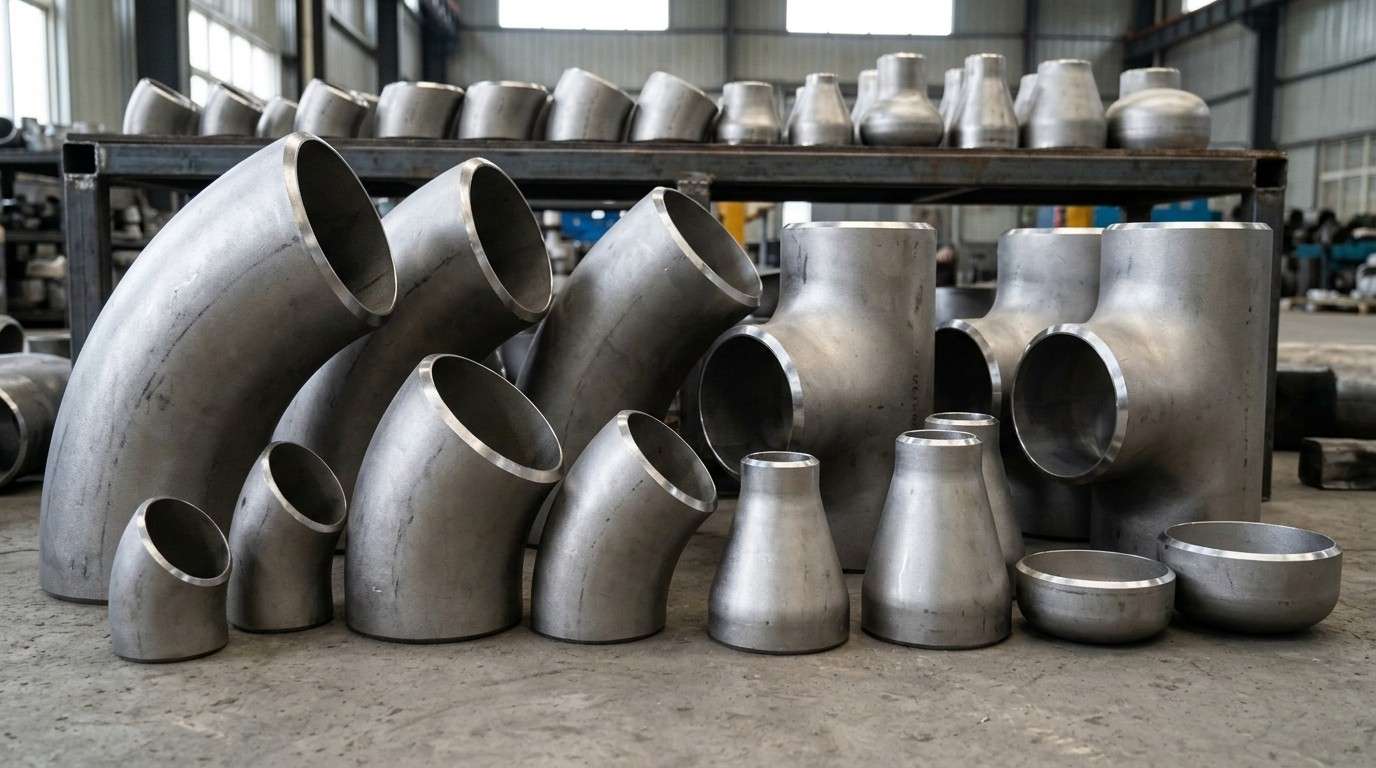
  • Elbows change the direction of flow, usually at 45 degrees, 90 degrees or 180 degrees
  • Tees split a single flow into two paths or combine two flows into one
  • Reducers connect pipes of different diameters, either concentric or eccentric
  • Caps close off the open end of a pipe permanently
  • Stub ends pair with a lap joint flange to allow a removable connection
  • Crosses connect four pipe runs at a single point

A long radius elbow is usually preferred in process lines because it creates less turbulence, while a short radius elbow is used only when space is tight.

Materials That Go Into Buttweld Fittings

The material decides how long a fitting will last and what kind of fluid it can safely carry. Carbon steel remains the most common choice because it balances strength and cost, while stainless steel is chosen when corrosion resistance is the priority.

MaterialTypical GradeBest Suited For
Carbon SteelASTM A234 WPBGeneral service, oil and gas, power piping
Stainless SteelASTM A403 WP304 or WP316Chemical plants, food grade lines, seawater systems
Alloy SteelChrome moly gradesHigh temperature process piping

Choosing the wrong material rarely shows up immediately. It usually surfaces months later as corrosion, cracking or unexpected wear, which is why material selection deserves as much attention as the fitting shape itself.

Standards That Govern Buttweld Fittings

Quality in this industry is not left to guesswork. Several standards exist to keep dimensions, tolerances and material properties consistent across manufacturers. No ultimate guide to buttweld fittings would be a complete overview without covering these, since they decide whether a fitting is fit for purpose long before it reaches a job site.

StandardGoverning BodyWhat It Covers
ASME B16.9American Society of Mechanical EngineersDimensions and tolerances for wrought fittings
ASTM A234ASTM InternationalMaterial specification for carbon and alloy steel fittings
API 5LAmerican Petroleum InstitutePipe specification for oil and gas service
ISO 9001International Organization for StandardizationQuality management during manufacturing

Working with a supplier who understands these standards saves a lot of trouble later. A fitting that meets ASME B16.9 will fit correctly with pipes and flanges from other manufacturers without any surprises on site.

Where Buttweld Fittings Are Used

The versatility of buttweld fittings makes them useful across many sectors, not just one.

  • Oil and gas pipelines that move fluids under extreme pressure
  • Chemical processing plants handling corrosive substances
  • Power generation facilities running steam and water lines
  • Food and beverage plants where hygiene and smooth surfaces matter
  • Water treatment and desalination systems

Each of these industries has different priorities, but they all rely on the same underlying strength that a welded joint provides.

How To Choose The Right Buttweld Fitting

Picking the correct fitting is not just about the size on paper. A few practical checks make a real difference.

  • Match the fitting material to the pipe material and the fluid it carries
  • Confirm the operating pressure and temperature the system will face
  • Check that the fitting schedule matches the connecting pipe wall thickness
  • Ask for mill test reports and heat traceability from the supplier
  • Verify the fitting meets the relevant ASME or ASTM standard for the project

Skipping any of these steps often leads to costly rework once the pipeline is already installed.

A Few Words On Installation

Good fittings can still fail if installation is rushed. The pipe ends need clean, accurate beveling before welding. Tack welds should hold everything in place without shifting the alignment. Once welding is complete, inspection through visual checks or radiography confirms the joint is sound before the line goes into service.

Skilled welders following a proper welding procedure specification make the biggest difference here. Even the best fitting cannot compensate for a poorly executed weld.

Final Thoughts

Buttweld fittings might not be the most talked about part of a piping system, but they hold everything together, often under conditions that would break weaker connections. This ultimate guide to buttweld fittings, a complete overview of types, materials and standards, puts you in a much stronger position when sourcing for your next project.

If you are comparing options for your piping needs, K Hashim LLC is a good place to look through available products and get a clearer picture of what suits your application. You can also Contact our team if you want guidance on choosing the right fitting for your specific project.

Explore More Expert Insights

Explore our expert insights to learn more about buttweld fittings, their types, standards and practical applications.

Importance and Applications of Reflective Tapes

Reflective tapes are widely used to improve visibility and safety in low-light environments. They reflect light from sources such as vehicle headlights, flashlights, and street lighting, making people, vehicles, equipment, and structures easier to see.

From construction sites and warehouses to roads and industrial facilities, reflective tape provides a simple way to increase visibility. Its bright and reflective surface helps identify hazards, mark boundaries, and improve awareness where lighting conditions are poor.

Understanding the different types of reflective tape and their applications can help businesses and individuals select the right solution for specific safety and visibility requirements.

Why Is Reflective Tape Important?

Visibility plays an important role in workplace and road safety. Poor lighting, nighttime operations, heavy traffic, and obstructed areas can make people and objects difficult to identify.

Reflective safety tape helps address this problem by reflecting incoming light back toward its source. This creates a noticeable visual effect that can alert drivers, workers, and pedestrians to the presence of an object.

Reflective tapes are also easy to apply and can be used on many surfaces. They provide a practical option for improving visibility where permanent lighting is not suitable.

Common Types of Reflective Tape

Different reflective tapes are designed for varying levels of visibility, durability, and application requirements.

1. Engineer Grade Reflective Tape

Engineer grade reflective tape is commonly used for general visibility and identification. It offers good reflectivity and works well where extreme durability is not required.

It can be used on signs, posts, barriers, equipment, and other surfaces that need improved visibility. This type is often selected for general-purpose marking because it is practical and easy to install.

2. High Intensity Reflective Tape

High intensity reflective tape provides stronger visibility than standard reflective materials. It is useful where objects need to be clearly identified from a greater distance.

It is commonly used for traffic signs, roadside equipment, trailers, safety barriers, and industrial areas. Its enhanced reflective performance makes it suitable for vehicles and nighttime operations.

3. Prismatic Reflective Tape

Prismatic reflective tape uses a microprismatic structure to provide strong retroreflectivity. It is designed to return light toward its source, helping objects stand out when illuminated.

This type of high visibility tape is often used on vehicles, trailers, road equipment, safety signs, and industrial machinery where high nighttime visibility is required.

4. Fluorescent Reflective Tape

Fluorescent reflective tape combines a bright fluorescent color with reflective properties. The fluorescent surface improves visibility during daylight, while the reflective layer helps improve visibility at night.

It is often used for emergency equipment, safety clothing, barriers, warning areas, and workplace identification.

Key Applications of Reflective Tapes

The versatility of reflective tape makes it useful across several industries, from personal protective equipment to transportation and industrial safety.

1. Road and Traffic Safety

One of the most common reflective tape applications is road safety. Reflective materials are used on traffic signs, barriers, cones, road equipment, and roadside structures.

When vehicle headlights illuminate the tape at night, it becomes easier for drivers to recognize objects and changes in the road environment.

2. Vehicles and Trailers

Reflective tape is widely applied to trucks, trailers, vans, buses, and other commercial vehicles. It can help outline vehicle edges and make them more noticeable in low-light conditions.

Reflective markings are especially useful for vehicles operating at night, in loading areas, or around busy industrial facilities.

3. Construction Sites

Construction sites often contain equipment, barriers, temporary structures, and other potential hazards. Reflective safety tape can be applied to these objects to make them more visible.

It can also mark access points, columns, machinery, and areas requiring additional attention from workers.

4. Warehouses and Industrial Facilities

Warehouses frequently involve forklifts, pallets, machinery, storage racks, and pedestrian movement. Reflective tape can help identify important areas and improve awareness around moving equipment.

It can be applied to corners, doors, loading bays, and equipment, particularly in dimly lit spaces.

5. Safety Clothing and Personal Protective Equipment

Reflective tape is commonly incorporated into high-visibility jackets, vests, trousers, and other workwear.

When illuminated, the reflective sections become highly noticeable. This makes them useful for workers operating near traffic, machinery, construction equipment, and other workplace hazards.

6. Emergency and Warning Applications

Emergency equipment and warning barriers often need to be visible quickly. SOLAS-grade reflective tape is commonly used on life-saving equipment such as liferafts and life jackets, where retroreflectivity can assist with detection in low-light conditions. 

Bright colors combined with reflective surfaces can help distinguish important objects from their surroundings.

Benefits of Using Reflective Tape

Reflective tape offers several practical benefits for safety and visibility.

  • Improved visibility: It makes people, equipment, and objects easier to identify in low-light conditions.
  • Easy installation: Most reflective tapes can be cut and applied without complicated installation procedures.
  • Versatile use: They can be applied to vehicles, machinery, signs, clothing, barriers, and many other surfaces.
  • Cost-effective solution: Reflective tape can improve visibility without requiring extensive lighting systems.
  • Better hazard identification: Reflective markings can draw attention to corners, obstacles, boundaries, and restricted areas.

How to Choose the Right Reflective Tape

Choosing the right tape depends on where and how it will be used. Consider the required visibility level, surface type, environmental exposure, and expected durability.

For general marking, engineer grade options may be sufficient. For vehicles, road equipment, and demanding industrial environments, high-intensity or prismatic reflective tape may provide better performance.

The adhesive should also be compatible with the surface. Outdoor applications may require materials that can withstand sunlight, moisture, temperature changes, dust, and other environmental conditions.

Final Thoughts

Reflective tapes provide a practical way to improve visibility across transportation, construction, industrial, commercial, and workplace environments. From reflective tape for vehicles to high-visibility markings for machinery and safety clothing, different types are designed for different requirements.

Selecting the right reflective tape based on the application, surface, environment, and required reflectivity can support safer working conditions. For more information on suitable safety and industrial products, K Hashim LLC provides relevant product solutions and guidance. 

Businesses can also Contact Our Team to discuss product requirements and application needs.

Explore More Expert Insights

Explore our expert insights to learn more about industrial products, equipment, and practical applications.

Top 10 Essential Lifting Accessories for Every Job Site: An overview of essential lifting accessories and their role in improving handling and lifting tasks on job sites.

What Is a Cargo Net? Its Types, Uses and Benefits: Learn about cargo net types, common applications, and the benefits they provide for securing and handling loads.

Top 10 Common Mistakes in Buttweld Pipe Fitting Installation: Learn about common installation errors and practical ways to avoid problems. 

Types of Buttweld Fittings and Their Applications: A breakdown of common buttweld fitting types and where each one is used.

Choosing Steel Flanges for Industrial Piping in Dubai: Key factors that determine the right flange for your piping system.

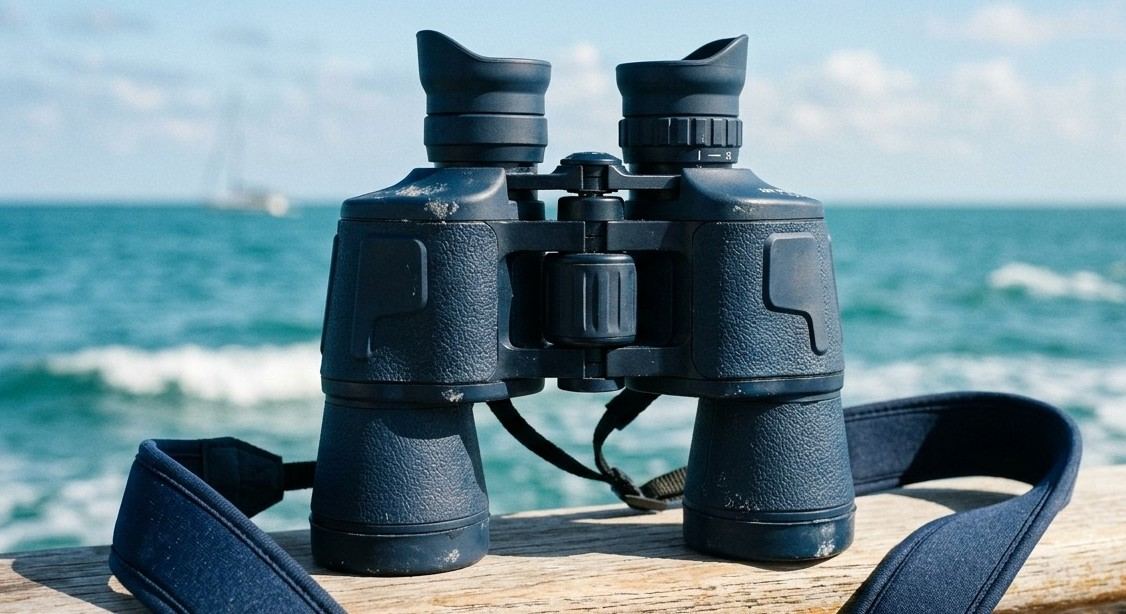
Why You Should Own Binoculars: 7 Key Benefits 

Binoculars are a simple optical tool that makes distant objects appear closer and easier to see. They are compact, portable, and useful for activities such as travel, bird watching, hiking, sports, wildlife observation, and basic astronomy.

Whether you are buying your first pair or adding one to your outdoor gear, understanding the uses of binoculars can help you decide which type suits your needs.

1. See Distant Objects More Clearly

The main purpose of binoculars is to magnify distant objects while allowing you to view them with both eyes. This makes them useful when an object is too far away to see clearly with the naked eye.

You can use binoculars to examine distant animals, boats, buildings, landscapes, and landmarks without needing to move closer.

For those looking for the best binoculars for beginners, moderate magnification is often a practical choice because it provides useful detail while remaining relatively easy to hold steady.

2. Great for Bird Watching and Wildlife

Bird watching is one of the most common uses of binoculars. Birds can be difficult to observe because they may be high in trees, across fields, or easily disturbed by people.

Binoculars allow you to watch birds from a comfortable distance and identify colors, markings, and behaviors. They are also useful for observing wildlife during hikes, nature walks, and outdoor trips.

When choosing binoculars for bird watching, consider magnification, field of view, lens quality, weight, and performance in different lighting conditions.

3. Enhance Travel and Sightseeing

Binoculars can make travel and sightseeing more enjoyable by helping you examine distant landmarks and natural features.

From a viewpoint, you can observe buildings, bridges, mountains, ships, and other details that may be difficult to see clearly. They are particularly convenient for hiking trips, cruises, nature tours, and sightseeing.

Compact binoculars can easily fit inside a backpack or travel bag, making them a practical addition to your travel equipment.

4. Useful for Sports and Events

Binoculars can also be helpful at sporting events, concerts, theaters, and large outdoor gatherings.

If you are sitting far from the action, binoculars can help you see players, performances, and other activities more clearly. A model with a wider field of view can be particularly useful when watching fast-moving subjects.

Because they are small and easy to carry, binoculars are convenient for events where larger optical equipment would be impractical.

5. Improve Outdoor Exploration

Binoculars are useful equipment for hiking, camping, fishing, boating, and other outdoor activities.

During a hike, you can use them to examine distant trails, rock formations, animals, and landscape features. When boating, binoculars can help you observe distant landmarks and objects across the water.

For outdoor use, look for features such as water resistance, fog resistance, protective rubber armor, and a comfortable grip. These features can make binoculars more practical in changing weather conditions.

6. Explore the Night Sky

Binoculars can also introduce beginners to astronomy. Although they do not replace a telescope, they can reveal details that are difficult to see with the naked eye.

The Moon is an excellent example. Binoculars can make lunar craters and surface features easier to observe.

Under suitable conditions, they can also help you view bright star clusters and other larger celestial objects. Their wide field of view makes them useful for scanning the night sky.

7. Easy to Carry and Use

One of the biggest advantages of binoculars is their simplicity. They do not require electricity, complicated setup, or specialized knowledge.

After adjusting the focus and eyepieces, they are ready to use. Many models are also lightweight enough to carry throughout the day.

You can keep binoculars in a backpack, vehicle, or travel bag, allowing you to quickly observe something interesting whenever the opportunity arises.

What to Consider When Choosing Binoculars

Before buying binoculars, think about how you plan to use them.

  • Magnification: Higher magnification provides more detail but can be harder to hold steady.
  • Objective lens size: Larger lenses can collect more light but may increase weight.
  • Field of view: A wider field helps when following birds, animals, or sports.
  • Weight: Lightweight binoculars are easier to carry during travel and hiking.
  • Durability: Water-resistant and rugged designs are useful for outdoor activities.
  • Comfort: Adjustable eyecups and a comfortable grip can improve extended viewing.

The best binoculars for beginners are those that match the intended activity, viewing conditions, and user’s comfort.

Final Thoughts

Binoculars are a versatile optical tool with many practical applications. They can improve bird watching, wildlife observation, travel, sports viewing, hiking, and basic astronomy.

The right pair depends on how you intend to use them. Consider magnification, lens size, field of view, portability, durability, and comfort before making your choice. For those researching optical equipment and binocular options, K Hashim LLC can be a useful source of information when comparing suitable products for different viewing requirements. You can also Contact our team to learn more about available binocular options and their specifications.

Explore More Expert Insights

Explore our expert insights to learn more about industrial products, equipment, and practical applications.