Seamless vs Welded Pipe Fittings: Which One to Choose?

Understanding the difference between seamless vs welded pipe is essential for engineers, contractors, and industrial buyers who want durability, safety, and long term performance.

Steel pipes are used across oil and gas, construction, power generation, and manufacturing industries, but choosing the wrong type can lead to pressure failure, corrosion, or increased maintenance costs.

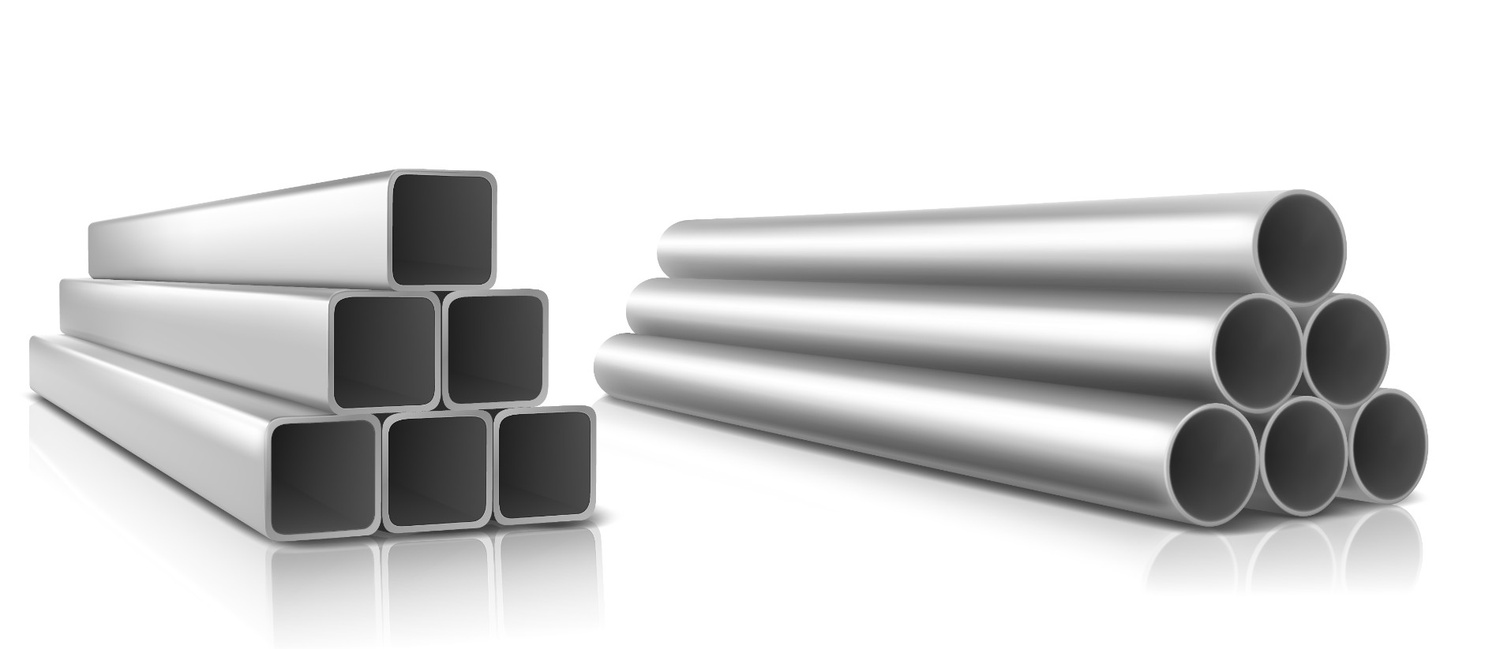
Although seamless and welded pipes may look similar, their internal structure, strength, and applications are very different.

What Is a Seamless Pipe

A seamless pipe is manufactured from a solid steel billet that is heated and pierced to form a hollow tube. The pipe is then rolled and stretched until the required diameter and wall thickness are achieved.

Since no welding is involved, the pipe has a uniform structure throughout its length. This makes seamless steel pipes highly reliable for high pressure and high temperature applications.

Seamless Pipe Manufacturing Process

The seamless pipe manufacturing process begins with heating a steel billet to high temperatures. The billet is pierced to create a hollow section and then elongated through rolling or extrusion. This process ensures consistent mechanical properties and eliminates the presence of a welded seam.

Seamless Pipe Applications

Seamless pipes are widely used in oil and gas pipelines, refineries, power plants, boilers, chemical processing units, and hydraulic systems. These industries require pipes that can withstand extreme pressure and temperature without failure.

What Is a Welded Pipe

A welded pipe is manufactured by forming steel plates or coils into a cylindrical shape and welding the edges together. The welded seam runs along the length of the pipe and is tested to meet industry quality standards. Modern welding technology has significantly improved the strength and reliability of welded pipes.

Welded Pipe Manufacturing Process

Welded pipe production involves rolling steel strips into a round shape and joining them using high quality welding methods. After welding, the pipe may undergo heat treatment, pressure testing, and surface finishing to enhance performance and durability.

Welded Pipe Applications

Welded pipes are commonly used in water supply systems, construction frameworks, fire protection systems, HVAC installations, and structural steel applications where operating pressure is moderate.

Manufacturing Difference Seamless and Welded Pipe

The main manufacturing difference between seamless and welded pipe is the presence of a welded joint. Seamless pipes are formed from a single piece of metal, while welded pipes rely on a welded seam. This difference affects mechanical strength, pressure handling capacity, and long term reliability.

Strength and Pressure Resistance Comparison

When comparing seamless vs welded pipe strength, seamless pipes offer better resistance to high pressure and mechanical stress due to their continuous metal structure. They perform well in extreme environments where safety is critical.

Welded pipes can also handle pressure effectively when manufactured to high standards, but the welded seam remains the most sensitive area, especially in corrosive or high stress conditions.

Cost Difference Between Seamless and Welded Pipe

Seamless pipes are more expensive due to their complex manufacturing process and higher production costs. They are typically selected for critical applications where performance is more important than cost.

Welded pipes are more affordable and widely available in various sizes and thicknesses. Their cost effectiveness makes them suitable for large scale and budget sensitive projects.

Size Availability and Design Flexibility

Welded pipes offer greater flexibility in terms of size and customization. They can be produced in larger diameters and different wall thicknesses. Seamless pipes have limitations in size availability, particularly for large diameter applications.

Surface Finish and Dimensional Accuracy

Welded pipes generally have a smoother surface finish and more consistent dimensions, which is beneficial for structural and aesthetic applications. Seamless pipes may have a slightly rougher finish due to the manufacturing process, but this does not affect their performance.

Seamless vs Welded Pipe Which One Is Better

There is no single answer to which pipe is better. Seamless pipes are ideal for high pressure and high temperature environments, while welded pipes are suitable for standard applications where cost and availability are key considerations.

How to Choose Between Seamless and Welded Pipe

Choosing the right pipe depends on operating pressure, temperature, environmental conditions, and budget. Seamless pipes are recommended for critical high-pressure industrial applications, while welded pipes are effective for general-purpose and structural use.

Selecting the correct high-pressure pipe fittings in Dubai ensures safety, durability, and long-term performance for your project.

AI Overview

Seamless vs welded pipe comparison explaining strength, manufacturing process, cost, pressure resistance, and applications to help choose the right steel pipe for industrial and construction use.

FAQs

Is seamless pipe better than welded pipe?

Yes, seamless pipes offer higher strength, pressure resistance, and corrosion performance, making them better for critical applications.

Can welded pipes be used for oil and gas?

Yes, but mainly for low-pressure and non-critical pipelines. High-pressure oil and gas lines typically require seamless pipes.

Which pipe lasts longer?

Seamless pipes generally have a longer service life, especially in harsh environments.

Why are seamless pipes more expensive?

Due to complex manufacturing, higher material waste, and stricter quality controls.

Final Conclusion

Understanding the difference between seamless vs welded pipe helps industries make informed decisions that improve safety, performance, and cost efficiency. Seamless pipes provide superior strength and reliability, while welded pipes offer flexibility and affordability.

Choosing the right pipe is only effective when you source it from a trusted supplier. K. Hashim LLC is a reliable pipe fitting supplier in UAE, providing high quality seamless and welded pipes for oil and gas, construction, mechanical, and industrial applications.

Contacting a fitting expert today will help you get the right seamless and welded pipe solution for your project and ensure long-term performance and reliability.

Explore More Expert Insights

Explore our expert insights to stay updated on the latest piping solutions, flange types, and industrial best practices.

Epoxy vs Polyurethane Coatings: Which One Is Better?: Choosing the right coating for maximum protection and durability.

Choosing the Best Camlock Fitting: A Simple Guide: Choose the right camlock fitting with expert insights on materials, applications, and performance.

Differences Between Gate Valves and Globe Valves: A quick comparison to help you choose the right valve for precise flow control and long-term performance.

Different Types of Buttweld Fittings and Their Applications: Explore Buttweld Fittings: Types and Practical Applications

Importance of Expansion Joints in Building Construction: Importance of Expansion Joints in Building Construction

Flanged Valves vs Threaded Valves: What’s the Difference?

In the case of industrial piping systems, it is essential to choose the appropriate valve that would guarantee its safety, efficiency, and durability. The common types of valves include flanged and threaded valves among others. Although both are applicable in the same way of controlling how liquids and gases move, they may differ a great deal in their design and use.

The main differences lie in their connection method, pressure suitability, size, and ease of maintenance. In this blog, we will explore these differences in-depth, compare the advantages and disadvantages of each, and help you decide which valve type is best suited for your specific needs.

What Are Flanged Valves?

Flanged valves are a valve which connects to the pipeline by means of flanges. Flange is a mechanical piece that is applied to join pipes or valves to another system. When dealing with flanged valves, the valve body is either welded or bolstered at the ends. These flanges develop a close fitting between the corresponding flange of the pipe making the connection of both parts secure and leak free.

Key Features of Flanged Valves:

  • Large Size Compatibility: Flanged valves are often used in larger systems and industrial applications where the valve needs to handle high pressures and volumes.
  • High Pressure Suitability: Flanged valves are typically rated for high pressure and can withstand extreme conditions.
  • Ease of Installation: Due to their design, flanged valves are easier to install and remove, especially when dealing with larger systems.

What Are Threaded Valves?

Threaded valves, on the other hand, use threads on the valve body and the pipe to create a connection. The threaded portion of the valve is screwed directly into the pipe or fitting, forming a secure, yet usually less rigid, connection compared to flanged valves. These valves are commonly used in smaller-scale systems, including residential and light commercial plumbing.

Key Features of Threaded Valves:

  • Compact Size: Threaded valves are typically smaller and more compact than flanged valves, making them ideal for smaller pipelines or spaces with limited installation room.
  • Lower Pressure Suitability: These valves are generally suited for lower-pressure applications compared to flanged valves.
  • Simpler Installation: Threaded valves are easier to install in systems where the space is limited and the pressure requirements are lower.

Key Differences Between Flanged and Threaded Valves

Understanding the key differences between flanged and threaded valves can help you choose the right valve for your application. Below are the primary points of comparison:

Feature Flanged Valves Threaded Valves
Connection Method Uses flanges with bolts and gaskets Uses threaded connection, screwed into pipes
Pressure Suitability High-pressure suitability Suitable for low-pressure applications
Size Suitable for larger pipelines and industrial applications Typically used in smaller pipelines or residential applications
Ease of Installation More complex, requires more space and equipment Simple to install, requires less space
Ease of Maintenance Easy to remove and replace, accessible for maintenance Harder to remove, especially in tight spaces
Durability Highly durable and suitable for harsh conditions Less durable under high-pressure or temperature conditions
Cost Generally more expensive due to size and construction Cost-effective, generally less expensive
Application Range Industrial applications, high flow, and high pressure Residential plumbing, low volume industrial applications
Weight Heavier due to large size and bolted construction Lighter and more compact
Installation Space Requires more space due to flanged connection Requires less space, suitable for tight installations

Advantages and Disadvantages of Flanged Valves

Advantages:

  • High Pressure and Temperature Suitability: Flanged valves are designed to handle extreme conditions, including high pressure and temperature.
  • Durable Connection: The bolted flange connection is strong and durable, providing a long-lasting solution for heavy-duty applications.
  • Easy to Maintain: The design allows for easier access during maintenance and repair.
  • Wide Range of Sizes: Available in a variety of sizes, flanged valves can be used in almost any industrial application.

Disadvantages:

  • Complex Installation: Flanged valves require more space for installation and are typically more complicated to install compared to threaded valves.
  • Higher Costs: Due to their larger size and heavy-duty construction, flanged valves can be more expensive to purchase and install.
  • Heavyweight: The design of flanged valves makes them heavier, which can be a disadvantage in systems with space constraints or when weight is a concern.

Advantages and Disadvantages of Threaded Valves

Advantages:

  • Simple and Compact: Threaded valves are simpler and more compact, making them easier to install in tight spaces.
  • Lower Cost: These valves are often less expensive than flanged valves, making them a cost-effective choice for smaller applications.
  • Ease of Installation: Threaded valves can be quickly installed without the need for special equipment.

Disadvantages:

  • Limited Pressure Suitability: Threaded valves are not suitable for high-pressure systems and may fail under extreme conditions.
  • Difficult to Maintain: Once installed, threaded valves are harder to remove and replace, especially in tight spaces.
  • Limited Size Range: Threaded valves are typically used in smaller pipes and are not suitable for large-scale industrial applications.

Which Valve is Right for Your Application?

The decision to use flanged and threaded valves will depend on the unique needs of your piping system extensively. When dealing with high pressure systems, large size pipes, or require a long-lasting solution when dealing with industry applications, then you will prefer to use flanged valves. Conversely, threaded valve is an efficient and cost effective solution to smaller systems, lower pressure applications or applications that require less space.

You should put into consideration the maintenance requirements, size and pressure of your system before making a decision. As well, it can be recommended that you consult with a professional in valve systems to make sure that you have picked the correct type of valve that will perform at its best and last longer.

Conclusion

Flanged and threaded valves have their own advantages and would fit in various systems. The primary distinctions are in the way they are connected, the appropriateness of the pressure, size, and maintenance. Although the flanged valves are better in high pressure and use in large-scale purposes, threaded valves are a better in-between solution to smaller systems. With these important differences, you will be able to select the most suitable type of valve to use in your particular requirements which will make your piping system operate safely and efficiently.

K. Hashim LLC is a trusted supplier of valves and other industrial components to people who are in need of high quality valves and also good services. They are a great company to do any piping system installation or upgrade due to their quality and expertise.

PPE Kit Guide: Safety Equipment Standards & Requirements

In today’s fast-paced industrial and construction sectors, Personal Protective Equipment (PPE) safety is no longer optional;it is a legal and moral obligation. Companies across UAE are prioritizing employee health and workplace safety more than ever before.

Whether you are managing a construction site in Dubai Marina,overseeing a manufacturing facility in Abu Dhabi,or running a logistics hub in Sharjah, understanding the importance of PPE is crucial to ensure compliance,reduce workplace accidents,and boost overall productivity.

What is Personal Protective Equipment (PPE)?

Personal Protective Equipment refers to the specialized clothing or gear worn to protect workers from hazards in the workplace.

PPE includes helmets, safety gloves, safety goggles,high-visibility vests,protective footwear,face shields,and respiratory masks.

In the UAE, especially in Dubai, PPE is governed by strict regulations under the Ministry of Human Resources and Emiratisation (MOHRE) and Dubai Municipality guidelines to ensure safe working conditions.

Importance of PPE Safety in Dubai/UAE

The UAE is a rapidly growing hub for construction,oil and gas,manufacturing,and logistics industries.With this growth comes an increased risk of accidents if proper safety measures are not followed.

PPE safety in Dubai not only helps protect employees from physical harm but also minimizes business liabilities and ensures compliance with legal requirements.

Benefits of Implementing PPE Safety Standards

  1. Enhanced Worker Safety:Reduces the risk of injuries from falls,chemical exposure,or electrical hazards.
  2. Regulatory Compliance:Aligns with UAE labor laws and Occupational Safety and Health Administration (OSHA) standards.
  3. Improved Productivity:Workers feel safer and more confident,resulting in higher efficiency.
  4. Cost Reduction:Preventing accidents lowers medical expenses, insurance claims,and downtime.
  5. Positive Business Reputation:Companies that follow PPE safety guidelines attract better talent and gain trust from clients.

Types of Personal Protective Equipment Used in UAE Workplaces

Different industries in Dubai require various PPE solutions depending on workplace hazards. Some essential examples include:

  • Safety Helmets to prevent head injuries from falling objects or impacts.
  • Eye Protector Goggles to shield the eyes from chemical splashes,dust, and flying debris.
  • Safety Gloves to protect hands from cuts, burns, and harmful substances.
  • Coverall suits to provide full body protection from chemicals,sparks, or biohazards.
  • Safety Shoes designed to safeguard feet against heavy objects,sharp debris, and electrical hazards.
  • Eye Wash Station for immediate decontamination in case of chemical exposure or accidental splashes.
  • Webbing Slings to ensure safe lifting and handling of heavy materials, minimizing strain and injuries.

PPE Regulations and Compliance in Dubai

The UAE has implemented stringent safety regulations to ensure that businesses provide adequate PPE to their employees.Companies are legally required to:

  • Conduct workplace risk assessments
  • Provide certified PPE at no cost to workers
  • Offer proper PPE training sessions
  • Regularly inspect and maintain protective gear
  • Replace damaged or worn-out equipment promptly

Non compliance with PPE regulations in Dubai can lead to fines,penalties,and legal consequences for employers.

How to Choose the Right PPE for Your Workplace

Selecting the appropriate PPE is essential for maximum safety.Follow these steps to make the right choice:

  1. Identify Workplace Hazards:Conduct a detailed risk assessment.
  2. Select PPE According to Industry Standards:Ensure compliance with Dubai Municipality and MOHRE guidelines.
  3. Ensure Proper Fit and Comfort:Ill fitting PPE can compromise safety and productivity.
  4. Train Employees:Workers should know how to use,store,and maintain PPE correctly.
  5. Inspect and Replace Regularly:Damaged equipment should be replaced without delay.

Common PPE Safety Mistakes in UAE Workplaces

Many companies in Dubai face challenges in maintaining PPE safety due to the following mistakes:

  • Providing inadequate or non-certified equipment
  • Ignoring employee training
  • Neglecting regular inspections
  • Failing to enforce PPE usage consistently
  • Using a one size fits all approach without considering worker comfort

Future of PPE Safety in Dubai

As Dubai moves towards becoming a global smart city, the future of PPE is evolving rapidly.

Smart Safety Helmets, connected safety vests with GPS tracking,and AI driven safety monitoring systems are expected to become more common.

The UAE government is also focusing on sustainability,leading to the development of eco-friendly PPE materials that reduce environmental impact.

Why PPE Safety Matters for Every Business in Dubai

Whether you are in construction, oil and gas, logistics,or manufacturing,ensuring PPE safety is more than just compliance;it is a business strategy that saves lives,reduces costs,and builds a safer work culture.

In 2025 and beyond,companies that prioritize personal protective equipment safety in UAE will not only meet legal standards but also gain a competitive edge in Eye Wash Station

Final Thoughts

Investing in proper PPE such as Safety Helmets, Eye Protector Goggles, Safety Gloves,and Safety Shoes is one of the smartest decisions any business in Dubai can make.

It protects employees,minimizes operational risks, and reinforces your company’s commitment to safety and well being.

Regular training, inspections, and upgrades in PPE alongside essential tools like Coverall suits,and safe lifting solutions such as Webbing Slings will ensure a safe and productive workplace.

For guaranteed quality, K.Hashim serves as the authorized supplier of Safety Equipments  in Dubai, providing authentic products for demanding environments.

Explore More Expert Insights

Discover deck & engine components, marine epoxies, fasteners, fittings, flanges, valves, and gauges for your next project.

Tips On Using Fasteners For High-Temperature ApplicationsGuide to Using Fasteners Safely in High-Temperature Settings

Pipe Fittings Selection Guide: Types, Features, ApplicationsComplete Guide to Choosing Pipe Fittings for Every Job

Guide to Choosing Steel Flanges for Industrial Piping in DubaiSelecting the Right Steel Flanges for Industrial Piping

Unlocking Potential of SS Grease Nipples in UAE IndustriesMaximize Efficiency with Stainless Steel Grease Nipples

Choosing the Right Sounding Cock Test Valve Supplier in UAEFind Trusted Sounding Cock Test Valve Suppliers in UAE

Unlocking Potential of Stainless Steel Grease Nipples in UAE Industries

In UAE industries where precision and performance drive progress, stainless steel grease nipples have proven to be small yet essential components powering heavy machinery. These fittings ensure smooth lubrication flow, protect moving parts, and extend machine life across construction, oil & gas, and manufacturing sectors.

What Are Stainless Steel Grease Nipples?

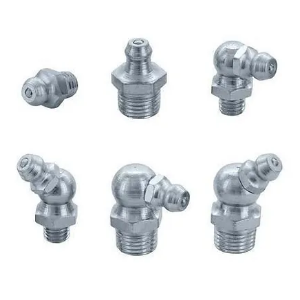
Stainless steel grease nipples, also known as grease fittings or zerk fittings, allow grease to be injected directly into machine components such as bearings, shafts, and joints. Their corrosion-resistant stainless steel design ensures they perform reliably even under the toughest UAE environmental conditions including heat, humidity, and dust.

These fittings are built for efficiency, ensuring consistent lubrication delivery to all high-friction areas, minimizing wear, and reducing the risk of breakdowns.

1. The Backbone of Machinery Longevity

In industrial settings across Dubai and Abu Dhabi, equipment faces constant stress. Stainless steel grease nipples ensure that moving parts remain properly lubricated, minimizing wear caused by friction. This directly translates into fewer breakdowns, less downtime, and longer machinery life — crucial for productivity-driven industries.

2. Superior Resistance to Corrosion and Pressure

Regular fittings can rust and fail under pressure, but stainless steel grease nipples are designed to endure it all. Their high-pressure and corrosion-resistant properties make them the preferred choice for heavy-duty applications such as cranes, loaders, excavators, and manufacturing lines in the UAE.

3. Benefits of Stainless Steel Grease Nipples

Corrosion Resistance: Perfect for coastal and high-humidity areas like Dubai, where regular fittings degrade quickly.
High Pressure Endurance: Maintains optimal lubrication flow in heavy machinery and industrial systems.
Extended Equipment Life: Reduces mechanical wear, enhancing performance and minimizing costly repairs.
Minimal Maintenance: Requires little upkeep due to robust stainless steel construction.
Eco-Friendly Performance: Promotes energy efficiency and sustainability by reducing friction-related power losses.

4. Maintenance Tips for Stainless Steel Grease Nipples

Proper maintenance ensures your grease fittings last and perform optimally:

  • Clean Before Greasing: Always wipe away dust or debris before applying grease to prevent contamination.
  • Use Compatible Grease: Choose the right type of grease recommended for your machine’s material and environment.
  • Inspect Regularly: Check for blockages, leaks, or worn threads to avoid lubrication failure.
  • Replace When Necessary: Damaged or clogged nipples should be replaced immediately to maintain consistent performance.

Following these tips ensures your stainless steel grease nipples keep machinery running efficiently and reduce maintenance downtime.

5. Future Prospects and Innovations

The future of lubrication technology in the UAE is moving toward smart and automated systems. Innovations like sensor-equipped grease fittings and automatic lubrication devices are becoming more common in industrial sectors. These advancements enhance precision, reduce manual maintenance, and improve overall equipment efficiency.

As industries adopt digital monitoring systems, stainless steel grease nipples will continue evolving to integrate seamlessly with modern lubrication control units — ensuring both reliability and sustainability in the years ahead.

Where to Buy in UAE

If you are looking to buy stainless steel grease nipples in Dubai or anywhere in the UAE, K. Hashim LLC offers premium, high-performance fittings built to withstand industrial demands. As a trusted industrial tool supplier, we provide a wide range of lubrication components tailored for heavy machinery and construction equipment.

FAQs

What are grease nipples called?

Grease nipples are also called grease fittings or zerk fittings. They allow grease to be injected into bearings, joints, and other moving parts for smooth operation.

Do grease guns fit all nipples?

Not all grease guns fit every nipple. It’s important to match the gun’s coupling type and size to ensure proper lubrication without leaks or damage.

Can grease nipples be repaired?

In most cases, clogged or damaged grease nipples cannot be repaired and should be replaced. Using a high-quality stainless steel nipple ensures durability and reduces maintenance frequency.

What is the purpose of a grease fitting?

A grease fitting delivers lubricant directly to moving parts in machinery, reducing friction, preventing wear, and extending equipment lifespan.

Conclusion

From construction cranes to automated manufacturing lines, stainless steel grease nipples are the hidden champions of machinery performance. Their durability, corrosion resistance, and precision lubrication make them essential for every industrial operation in the UAE. Investing in these fittings ensures better efficiency, lower maintenance, and extended machine life.

Find and contact grease nipple suppliers and dealers in Dubai to get high-quality fittings designed for heavy-duty machinery and industrial excellence.

Explore More Expert Insights

Discover deck & engine components, marine epoxies, fasteners, fittings, flanges, valves, and gauges for your next project.

Tips On Using Fasteners For High-Temperature ApplicationsGuide to Using Fasteners Safely in High-Temperature Settings

Pipe Fittings Selection Guide: Types, Features, ApplicationsComplete Guide to Choosing Pipe Fittings for Every Job

Guide to Choosing Steel Flanges for Industrial Piping in DubaiSelecting the Right Steel Flanges for Industrial Piping

Choosing the Right Sounding Cock Test Valve Supplier in UAEFind Trusted Sounding Cock Test Valve Suppliers in UAE

PPE Kit Guide: Safety Equipment Standards & RequirementsComprehensive PPE Kit Guide for Safety Compliance in UAE