Sealing Product Selection Guide: Materials, Types & Applications

Choosing the right sealing product is essential for preventing leaks, improving equipment performance, and extending the service life of industrial systems. Whether you need a gasket for a pipeline, an oil seal for rotating machinery, or sealing tape for construction applications, selecting the correct material and design can significantly impact reliability.

With many options available, including rubber seals, PTFE gaskets, mechanical seals, foam tapes, and industrial sealing solutions, understanding your application requirements is the first step toward making the right choice.

This guide explains how to choose the right sealing product based on pressure, temperature, chemical compatibility, and operating conditions.

Why Choosing the Right Sealing Product Matters

A sealing product creates a barrier between two surfaces to prevent the movement of liquids, gases, dust, or contaminants. The wrong seal can lead to leakage, equipment failure, increased maintenance costs, and production downtime.

Industries such as oil and gas, manufacturing, construction, automotive, marine, and chemical processing depend on reliable sealing solutions to maintain safety and efficiency.

Selecting the correct sealing material helps achieve:

  • Better leak prevention
  • Longer equipment lifespan
  • Reduced maintenance requirements
  • Improved operational safety
  • Higher system efficiency

Understand Your Application Requirements

Before selecting a sealing product, evaluate the conditions where the seal will operate. Different applications require different sealing materials and designs.

Identify the Type of Fluid or Medium

The material being sealed is one of the most important factors when choosing a sealing product. A seal used for water systems may not perform effectively with aggressive chemicals, oils, or high-temperature fluids.

Consider whether the application involves:

  • Water or steam
  • Hydraulic fluids
  • Fuel and oils
  • Chemicals
  • Air or gases
  • Food-grade materials

For example, PTFE sealing products offer excellent chemical resistance, while rubber seals are commonly used for general industrial and mechanical applications.

Check Operating Temperature

Temperature directly affects the durability and performance of sealing materials. Some sealing products are designed for extreme heat, while others are better suited for normal operating conditions.

Common sealing materials include:

Material Temperature Performance Common Applications
Rubber Low to medium temperature ranges Pipes, machinery, automotive
PTFE High temperature resistance Chemical and industrial systems
Graphite Extreme heat applications Steam and high-temperature equipment
Silicone Wide temperature range Food, medical, and electrical applications

Selecting the correct temperature-resistant sealing material helps prevent cracking, deformation, and premature failure.

Consider Pressure Requirements

Pressure rating plays a major role in selecting the right sealing product. High-pressure systems require durable materials and specially designed seals to maintain performance under demanding conditions.

For example:

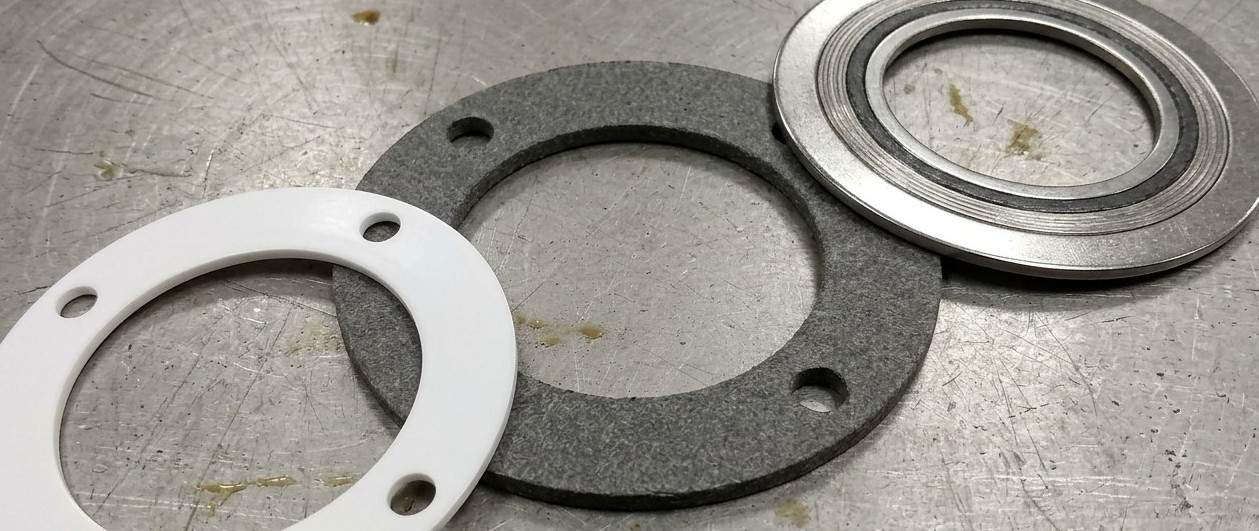
  • Spiral wound gaskets are widely used in high-pressure piping systems.
  • Ring type joint gaskets are preferred for oil and gas applications.
  • Hydraulic seals are designed for pressure control in hydraulic cylinders and equipment.

Always choose a sealing product that matches the pressure requirements of your application to ensure safe and reliable operation.

Choose the Right Sealing Material

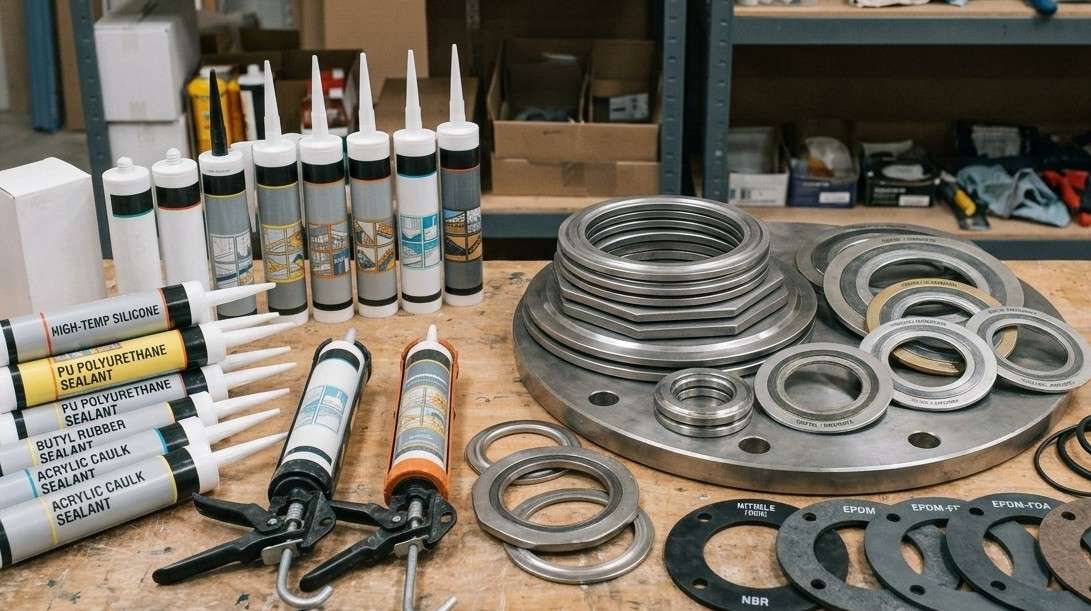
Different sealing materials offer unique advantages depending on the application requirements. Along with individual sealing components, exploring a complete sealing products category can help identify suitable solutions, including gaskets, seals, tapes, and other industrial sealing materials for different operating conditions.

Rubber Sealing Products

Rubber seals are among the most commonly used sealing solutions due to their flexibility, durability, and resistance to vibration. They are suitable for applications where reliable sealing and movement absorption are required.

Common rubber sealing products include:

  • Rubber gaskets
  • Rubber sheets
  • O-rings
  • Rubber strips
  • Rubber profiles

Rubber sealing products are widely used in plumbing systems, automotive components, construction projects, and industrial equipment.

PTFE Sealing Products

PTFE, commonly known as Teflon, is a high-performance sealing material known for its excellent chemical resistance, low friction, and ability to handle high temperatures.

PTFE gaskets and seals are commonly used in:

  • Chemical processing systems
  • Industrial pipelines
  • Valve sealing applications
  • Pharmaceutical equipment

They are ideal for applications where exposure to aggressive chemicals or extreme conditions is expected.

Graphite Seals and Gaskets

Graphite sealing products are designed for applications requiring high-temperature and pressure resistance. They are commonly used in steam systems, boilers, and heavy industrial equipment.

Graphite maintains sealing performance under harsh conditions and provides excellent resistance against heat and chemical exposure.

Select the Correct Type of Sealing Product

Gaskets are used between two stationary surfaces to prevent leakage and maintain reliable connections in pipelines, flanges, engines, valves, and pressure equipment. Businesses looking for reliable sealing solutions often work with an industrial gaskets supplier UAE to source products such as spiral wound, PTFE, rubber, graphite, and CNAF gaskets based on their application requirements.

Gaskets

Gaskets are used between two stationary surfaces to prevent leakage. They are commonly installed in pipelines, flanges, engines, valves, and pressure equipment.

Common gasket types include:

Spiral wound gaskets are widely used in high-pressure piping systems. Choosing reliable spiral wound gasket suppliers in UAE helps ensure the right sealing solution for demanding applications.

Mechanical Seals

Mechanical seals are designed for rotating equipment where preventing fluid leakage is critical. They allow movement between components while maintaining a secure seal.

Common applications include:

  • Pumps
  • Mixers
  • Compressors
  • Rotating machinery

Sealing Tapes

Sealing tapes provide a simple and effective method for preventing leaks and improving surface bonding.

Common types include:

  • PTFE thread seal tape
  • Double-sided foam tape
  • Single-sided sealing tape

These products are commonly used in plumbing, construction, electrical, and maintenance applications.

Consider Installation Conditions

Even the best sealing product can fail if it is installed incorrectly. Before selecting a seal, consider installation requirements such as:

  • Available installation space
  • Surface condition
  • Required compression level
  • Maintenance requirements
  • Replacement frequency

Proper installation ensures better sealing performance and reduces the chances of leakage or equipment damage.

Common Mistakes When Selecting Sealing Products

Many sealing failures happen because of incorrect product selection or poor installation practices.

Choosing Price Over Quality

Low-quality sealing products may reduce initial costs but often result in frequent replacements, downtime, and increased maintenance expenses.

Ignoring Chemical Compatibility

A sealing material that works for water applications may fail when exposed to chemicals, fuels, or industrial fluids.

Selecting Incorrect Dimensions

The wrong size or thickness can prevent proper sealing and lead to leakage issues.

Overlooking Environmental Conditions

Outdoor and industrial environments may expose seals to UV rays, moisture, temperature changes, and harsh operating conditions. Selecting a suitable material helps maintain long-term performance.

Applications of Industrial Sealing Products

Industrial sealing products are used across various sectors where leak prevention and equipment protection are essential.

Common industries include:

  • Oil and gas
  • Petrochemical
  • Construction
  • Manufacturing
  • Automotive
  • Marine
  • Power generation
  • Water treatment

From pipeline systems to heavy machinery, reliable sealing solutions help improve safety, efficiency, and operational reliability.

How to Choose a Reliable Sealing Product Supplier

A trusted sealing product supplier can help identify the right solution based on your application requirements. Before purchasing, consider suppliers that offer:

  • Wide range of sealing products
  • Quality-tested materials
  • Technical guidance
  • Custom sealing solutions
  • Industry-specific products

Working with an experienced supplier ensures you receive the correct sealing product for your equipment and operating conditions.

Conclusion

Choosing the right sealing product depends on pressure, temperature, chemical compatibility, and application requirements. Selecting the correct material, such as rubber, PTFE, or graphite, helps prevent leaks, reduce maintenance needs, and improve equipment reliability.

With experience in industrial supply solutions, K. Hashim LLC supports customers in selecting suitable sealing products for various applications. For expert guidance and product details, contact our team to find the right sealing solution for your specific requirements.

Explore More Expert Insights

Discover guides on all hardware, building materials, and electrical products for your next project.


5 Signs Your Industrial Hose Needs Replacement

A worn industrial hose rarely fails without warning. Most of the time it gives small clues long before it actually bursts or leaks. The problem is that many teams miss these clues because they look minor at first glance.

Knowing what to look for can save you from unplanned downtime, safety incidents and expensive repairs. Below are the most common signs that tell you a hose is nearing the end of its working life.

Why Industrial Hoses Wear Out Over Time

Every hose goes through constant stress. Heat, pressure, vibration and exposure to chemicals slowly wear down the rubber or synthetic layers inside. Even a well made hose cannot last forever under these conditions.

Understanding how wear happens makes it easier to spot the early signs before they turn into a bigger problem.

1. Cracks Cuts or Surface Damage

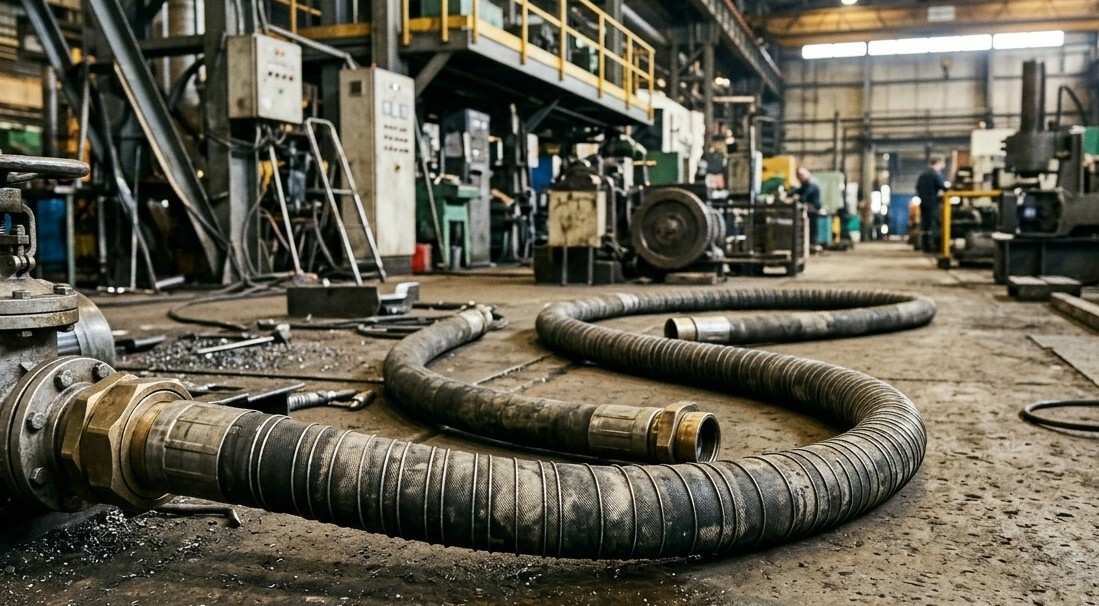
The outer cover is the first line of defense for any hose. Once you see cracks, cuts or fraying on the surface, the internal layers are already exposed to damage.

This kind of wear usually comes from sun exposure, friction against nearby equipment or contact with sharp edges. A hose in this condition should not be trusted for continued use.

2. Leaks Around Fittings or Along the Body

Leaks are one of the clearest signs that a hose has failed internally. You may notice damp spots, dripping fluid or a slow drop in pressure across the system.

Sometimes the leak starts small and only shows up as a faint smell or a slight stain near a connection point. Waiting too long to fix this can lead to contamination or complete hose failure.

3. Bulges Soft Spots or Blistering

A bulge or soft spot on a hose means the inner layers have started to separate. This usually happens due to age, excess pressure or repeated heat exposure.

A hose with a visible bulge should be taken out of service right away. Continuing to use it under pressure increases the risk of a sudden rupture.

4. Stiffness or Loss of Flexibility

Hoses are meant to stay flexible so they can absorb movement and vibration without cracking. Once a hose becomes stiff or hard to bend, it has lost that ability.

Stiffness often comes from long term exposure to heat, chemicals or sunlight. A rigid hose cannot flex properly and is far more likely to crack under pressure.

5. Age and Service Life

Even a hose that looks fine on the outside can be close to failure if it has been in use for many years. Most industrial hoses have a recommended service life, and this depends on the operating conditions.

If your hose is nearing or past this recommended period, it is safer to replace it before it fails rather than waiting for a visible problem to appear.

At A Glance Warning Signs And What To Do

For a faster read, this summary breaks down each sign and what to do about it.

Warning Sign Common Cause Recommended Action
Cracks or Cuts UV exposure, friction Replace immediately
Leaks at Fittings Worn seals, loose connections Inspect and replace
Bulges or Soft Spots Internal layer separation Stop use right away
Stiff or Brittle Feel Heat or chemical exposure Replace before failure
Nearing Service Life Natural aging of materials Plan proactive replacement

Selecting the Right Hose for Replacement

Picking the correct hose is just as important as recognizing when to replace one. The wrong hose for your pressure rating, fluid type or temperature range can fail even faster than the one you are replacing. If you are unsure which type suits your system, it helps to look at a detailed guide on industrial hose types materials uses and fittings before making a decision.

You can also browse our full hose range to compare options built for different industrial applications.

Maintenance Practices That Extend Hose Life

  • Inspect hoses regularly for cracks, leaks, or stiffness
  • Avoid tight bends or twisting during installation
  • Keep hoses away from direct heat and sharp surfaces
  • Store spare hoses in a cool dry place away from sunlight
  • Use the correct fittings and torque during assembly

Following these habits reduces the chances of early failure and keeps your equipment running safely for longer.

Final Thoughts

Industrial hoses do not usually fail without notice. Cracks, leaks, bulges, stiffness and simple age are all signs that tell you when it is time to act. Paying attention to these details protects your equipment, your team and your operations from unnecessary downtime.

Regular inspection and timely replacement remain the most effective way to keep any hydraulic or industrial system running smoothly.

Get Expert Support For Industrial Hose And Safety Solutions

Reliable equipment is essential for maintaining safe and efficient operations across demanding industries. K. Hashim LLC supplies high quality industrial hoses and safety solutions designed to support operational reliability and workplace safety.

Get in touch with our team to find the right hose and safety solution for your workplace.

Explore More Expert Insights

Discover guides on all hardware, building materials, and electrical products for your next project.


What Is An Industrial Hose Everything You Need To Know

Industrial hoses are used across manufacturing plants, construction sites, and processing facilities to move liquids, gases, and even dry materials from one point to another. Choosing the correct hose affects safety, efficiency, and long term equipment performance.

This guide explains what an industrial hose is, how it is built, the common types available, and the key factors to consider before selecting one for your application.

What Is An Industrial Hose?

An industrial hose is a flexible tube engineered to transfer liquids, gases, powders, and other materials in demanding work environments. Unlike rigid tubing, an industrial hose can bend and flex while still handling pressure, temperature changes, and chemical exposure.

These hoses are built to resist abrasion, corrosion, and continuous wear, which makes them suitable for plants, refineries, and outdoor job sites where conditions are harsh and downtime is costly.

How Industrial Hoses Are Made?

Every industrial hose is built using three core layers. Each layer plays a specific role in how the hose performs under real world conditions.

Inner Tube

The inner tube is the innermost layer that comes into direct contact with the material being transferred. It must resist the chemical properties of that material, whether it is fuel, water, food product, or a harsh chemical.

Reinforcement Layer

This layer sits between the inner tube and the outer cover. It is braided, spiraled, or knitted using textile fibers or steel wire and gives the hose its strength and pressure rating.

Outer Cover

The outer cover protects the hose from sunlight, weather, abrasion, and mechanical damage. It is usually made from rubber, PVC, or a thermoplastic compound depending on where the hose will be used.

Layer Main Function Common Materials
Inner Tube Carries the fluid or material safely Nitrile, EPDM, Butyl Rubber
Reinforcement Adds strength and pressure resistance Steel Wire, Polyester, Nylon
Outer Cover Protects against weather and abrasion Rubber, PVC, Thermoplastic

Common Types Of Industrial Hoses

Different industries rely on different hose types depending on the material being moved and the environment the hose will operate in.

  • Air pressure hoses used for pneumatic tools and compressed air systems
  • Chemical hoses used for transferring corrosive or hazardous substances
  • Food and beverage hoses built to meet sanitary and FDA related standards
  • LPG hoses designed for petroleum gas transfer with added safety features
  • Bulk material hoses used to move sand, grain, cement, and similar substances
  • Steam hoses rated for high heat and pressure applications

Fittings and connectors also play a major role in how a hose performs once installed. You can browse our full range of industrial hoses to compare options built for these applications.

How To Choose The Right Industrial Hose?

Selecting the correct hose comes down to matching its specifications to your application. Industry professionals often use the STAMPED method to guide this process.

  • Size, including inner and outer diameter
  • Temperature range the hose must withstand
  • Application and the environment it will operate in
  • Material or medium being transferred
  • Pressure rating required for safe operation
  • Ends, meaning the fittings and connection type
  • Delivery timeline needed for your project

Getting these factors right helps prevent leaks, premature wear, and unplanned downtime. Our team can help you match these criteria against our hose product range to find the right fit for your application.

Industrial Hose Versus Industrial Tubing

Industrial hoses and industrial tubing are often confused, yet they serve different purposes.

Feature Industrial Hose Industrial Tubing
Flexibility Highly flexible Rigid or semi-rigid
Reinforcement Braided or spiral wound Usually unreinforced
Pressure Rating Medium to high Low to medium
Common Use Fluid transfer and material handling Instrumentation and control lines

Hoses are chosen when flexibility and pressure handling are required, while tubing suits fixed, low pressure systems.

Maintenance And Safety Tips For Industrial Hoses

Routine inspection extends hose life and keeps workers safe. Check hoses regularly for the following signs of wear.

  • Cracks, blisters, or soft spots on the outer cover
  • Visible abrasion or exposed reinforcement layers
  • Loose, corroded, or leaking fittings
  • Kinks or flattening along the hose length

Replacing a worn hose before it fails is far less costly than dealing with unplanned downtime or a safety incident on site. A regular inspection schedule keeps operations running smoothly and protects your team.

Conclusion

Industrial hoses are a core part of safe and efficient material handling across manufacturing, construction, oil and gas, and food processing industries. Understanding hose construction, types, and selection criteria helps you choose a hose that performs reliably for your specific application.

Get Expert Support For Industrial Hose And Safety Solutions

Reliable equipment is essential for maintaining safe and efficient operations across demanding industries. K. Hashim LLC supplies high quality industrial hoses and safety solutions designed to support operational reliability and workplace safety.

Partner with our experts for hose and safety solutions tailored to your workplace requirements.

Explore More Expert Insights

Discover guides on all hardware, building materials, and electrical products for your next project.