
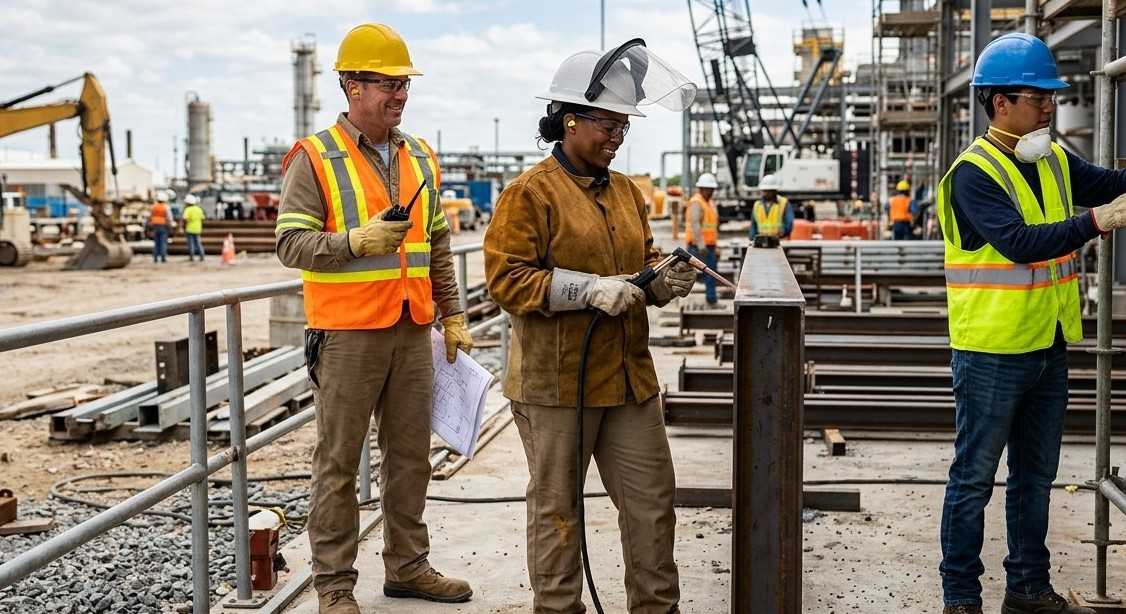
In addition, personal Protective Equipment (PPE) plays a vital role in protecting workers from occupational hazards across industries such as construction, manufacturing, healthcare, oil and gas, and logistics. PPE serves as the final layer of protection against injuries and hazardous exposure when workplace risks cannot be completely eliminated.
According to OSHA, PPE helps reduce exposure to physical, chemical, electrical, and biological hazards while supporting workplace safety, regulatory compliance, and operational efficiency. In addition, this guide looks at importance of ppe in detail.
Importance of PPE: What Is Personal Protective Equipment (PPE)?
Personal Protective Equipment refers to wearable safety equipment designed to protect workers from workplace hazards. Also, PPE creates a protective barrier between the worker and the hazard source.
Common PPE categories include:
- Safety helmets
- Safety glasses and face shields
- Respirators and masks
- Protective gloves
- Safety shoes and boots
- Hearing protection
- Protective clothing and coveralls
- Fall protection harnesses
Moreover, OSHA and NIOSH emphasize that PPE should only be used as part of a complete workplace safety program that includes hazard assessment, training, maintenance, and proper usage procedures.
Why PPE Is Essential in Workplace Safety
Protection Against Workplace Hazards
Furthermore, different industries expose workers to different types of hazards, including:
- Falling objects
- Chemical exposure
- Electrical hazards
- Noise pollution
- Airborne contaminants
- Heat and fire risks
- Sharp materials and machinery
PPE significantly reduces the likelihood and severity of injuries when properly selected and used.
Reducing Workplace Injuries
In addition, workplace accidents can result in:
- Lost productivity
- Medical expenses
- Legal liabilities
- Operational downtime
- Permanent disabilities
Also, OSHA research indicates that many occupational injuries are preventable through proper PPE usage and safety training.
Regulatory Compliance
Moreover, most countries enforce workplace safety regulations requiring employers to provide suitable PPE for workers exposed to occupational hazards.
Furthermore, OSHA standards require employers to:
- Assess workplace hazards
- Provide suitable PPE
- Train employees
- Ensure proper PPE maintenance
- Replace damaged equipment
In addition, failure to comply can lead to penalties, lawsuits, and increased accident risks.
Main Types of PPE Used in Industries
Head Protection
Safety helmets and hard hats protect workers from:
- Falling debris
- Impact injuries
- Electrical hazards
Also, construction, shipbuilding, mining, and industrial sectors rely heavily on certified head protection systems.
Eye and Face Protection
Safety goggles and face shields help prevent injuries caused by:
- Flying particles
- Chemical splashes
- Welding sparks
- Dust exposure
Moreover, OSHA identifies eye and face protection as one of the most critical PPE categories in industrial environments.
Respiratory Protection
Furthermore, respirators protect workers from airborne hazards such as:
- Dust
- Toxic fumes
- Chemical vapors
- Biological contaminants
In addition, NIOSH approved respirators are widely used in manufacturing, healthcare, chemical plants, and confined space operations.
Hearing Protection
Also, high noise exposure can cause permanent hearing damage over time.
Common hearing protection includes:
- Earplugs
- Earmuffs
- Noise reduction headsets
Moreover, manufacturing facilities, airports, and heavy equipment operations often require mandatory hearing protection programs.
Hand Protection
Industrial gloves protect workers from:
- Cuts and abrasions
- Chemical burns
- Heat exposure
- Electrical contact
Furthermore, different applications require specialized glove materials such as nitrile, rubber, leather, or cut resistant fabrics.
Foot Protection
Safety footwear protects against:
- Falling objects
- Slips and falls
- Puncture injuries
- Electrical hazards
Steel toe and anti slip safety shoes are standard requirements across many industrial workplaces.
Fall Protection Equipment
In addition, workers operating at heights require fall arrest systems including:
- Safety harnesses
- Lifelines
- Anchorage systems
- Lanyards
Also, construction and maintenance industries heavily depend on fall protection systems to prevent fatal accidents.
PPE and the Hierarchy of Controls
Moreover, safety professionals emphasize that PPE is the final layer within the hierarchy of controls.
The hierarchy includes:
- Hazard elimination
- Substitution
- Engineering controls
- Administrative controls
- Personal Protective Equipment
CDC and OSHA both state that PPE should supplement other safety measures rather than replace them entirely.
Industry Specific Applications of PPE
Construction Industry
Furthermore, construction sites expose workers to hazards such as falling materials, heavy machinery, electrical risks, and dust exposure. In addition, essential PPE for construction workers includes hard hats, safety gloves, reflective vests, respirators, and safety boots.
Also, workplace safety reports consistently identify construction as one of the highest risk industries for occupational injuries and fatalities.
Manufacturing Industry
Moreover, manufacturing environments involve rotating machinery, high temperatures, noise pollution, and chemical handling risks. Industrial PPE helps reduce machine related injuries, burns, hearing damage, and chemical exposure incidents while improving worker safety in production facilities.
Healthcare Sector
Furthermore, healthcare workers depend on PPE to minimize exposure to infectious diseases, biological hazards, and chemical disinfectants.
In addition, common medical PPE includes gloves, face shields, protective gowns, and respiratory masks designed to support infection control and workplace hygiene.
Oil and Gas Industry
Oil and gas operations require advanced PPE because of fire hazards, toxic gas exposure, explosive environments, and high pressure systems.
Also, flame resistant clothing, respiratory protection equipment, chemical resistant gloves, and gas detection systems are standard safety requirements across offshore and industrial energy facilities.
Expert Insight: Why PPE Programs Fail
Moreover, safety experts frequently identify common workplace PPE failures such as:
- Improper equipment fit
- Lack of worker training
- Inconsistent enforcement
- Damaged or expired PPE
- Incorrect PPE selection
Recent OSHA enforcement updates also emphasize proper PPE fit for workers across industries.
Furthermore, experts stress that simply providing PPE is not enough. In addition, organizations must establish a complete PPE management program that includes:
- Hazard assessment
- Employee education
- Equipment inspection
- Replacement schedules
- Compliance monitoring
Common PPE Compliance Challenges
Improper PPE Selection
Using the wrong PPE can create false confidence while leaving workers exposed to hazards.
Lack of Employee Training
Workers must understand:
- When PPE is required
- How to wear it properly
- Equipment limitations
- Maintenance procedures
Poor Maintenance
Also, damaged or expired PPE reduces protection effectiveness and increases accident risk.
Worker Non Compliance
Moreover, comfort issues, poor fit, and lack of awareness can reduce PPE compliance among workers.
Emerging Trends in PPE Technology
Furthermore, modern PPE systems increasingly incorporate smart technologies such as:
- Smart helmets
- Wearable sensors
- Real time gas monitoring
- AI based compliance monitoring
- Connected safety systems
Research into AI powered PPE detection systems is also expanding to improve workplace monitoring and access control.
Best Practices for Effective PPE Programs
In addition, organizations should follow these best practices:
- Conduct workplace hazard assessments
- Select certified PPE
- Train workers regularly
- Inspect PPE routinely
- Replace damaged equipment immediately
- Monitor compliance continuously
Also, a proactive PPE culture significantly improves workplace safety outcomes.
Conclusion
Moreover, personal Protective Equipment plays a vital role in reducing workplace injuries, protecting employees from hazardous exposure, and supporting compliance across construction, manufacturing, healthcare, oil and gas, and industrial sectors. Furthermore, from head protection and respirators to gloves, safety footwear, and fall protection systems, PPE remains an essential part of modern workplace safety strategies.
Get Expert Support for Workplace Safety Solutions
In addition, reliable safety equipment is essential for maintaining safe and compliant working environments across demanding industries. K. Hashim LLC supplies high quality Personal Protective Equipment designed to support worker protection, operational safety, and long term reliability across diverse industrial applications.
Partner with our safety experts for dependable PPE solutions tailored to your workplace safety requirements.
Explore More Expert Insights
Also, explore our expert insights to stay updated on the latest piping solutions, flange types, and industrial best practices.
- Unlocking Potential of Stainless Steel Grease Nipples in UAE Industries: Corrosion resistant solutions for heavy industrial performance.
- Top Applications for Stainless Steel Grease Nipples in Heavy Machinery: Real world industrial use cases improving lubrication efficiency.
- Why Stainless Steel Grease Nipples Are Essential for Corrosion-Prone Environments: Protection driven lubrication for harsh operating conditions.
- What is Wool Felt Sheet? Types, Properties and Uses: Wool felt sheet explained with types, properties, and industrial uses.
- Key Points for Maintenance and Upkeep of Marine Valves: Essential tips to keep your marine valves performing reliably.
For general background, read the Personal protective equipment article on Wikipedia.