- Most butt weld fitting problems start at purchasing, not on site.
- Supplier quality, material choice and dimensional standards decide how smoothly welding goes.
- Test certificates, heat numbers and traceability protect you during inspection.
- Pressure rating, pipe schedule and fitting type must match the real layout and operating conditions.
- Comparing total project cost beats chasing the lowest quotation.
A pipeline fitting costs a fraction of the equipment around it, yet it can slow down a whole installation when it arrives out of tolerance. Welders lose time on fit up, alignment becomes a struggle and sections get reworked. Most of these problems begin at the purchasing desk, not on site.
This guide walks through the 7 mistakes people make when buying butt welded fittings so you can spot them before an order is placed. It is written for project buyers, site engineers and maintenance teams working on industrial piping in the UAE.
What Buyers Should Know Before Selecting Butt Weld Fittings
Butt weld fittings sit inside the line and carry the same pressure and temperature as the pipe itself. They change direction, split flow, reduce diameter or close the end of a run. When one of them is wrong, the weld joint becomes the weak point of the system.
At K Hashim LLC, we have supplied marine, oilfield and industrial customers from Sharjah for over 45 years. Across that time the pattern is clear. Delays and failures rarely come from dramatic events. They come from small details that were assumed instead of checked. Knowing the 7 mistakes people make when buying butt welded fittings helps teams ask better questions early.
If you are new to this product range, our ultimate guide to buttweld fittings explains sizes, materials and common uses in plain language.
The Seven Buying Mistakes at a Glance
Here is a quick view of what goes wrong and how to prevent it. Each numbered point is explained in the sections that follow, and the 7 mistakes people make when buying butt welded fittings are easier to avoid once they are laid out side by side.
| No | Mistake | What Goes Wrong | How to Prevent It |
| 1 | Treating all suppliers alike | Uneven quality between batches | Review production and inspection records |
| 2 | Buying on material cost alone | Corrosion and early replacement | Match grade to the operating environment |
| 3 | Ignoring dimensional standards | Poor fit up and slow welding | Confirm ASME B16.9 compliance |
| 4 | Skipping inspection documents | No proof of origin or grade | Ask for test certificates before ordering |
| 5 | Overlooking pressure rating | Stress cracks over time | Check schedule and design pressure |
| 6 | Choosing the wrong fitting type | Flow loss and extra stress | Match type and radius to the layout |
| 7 | Chasing the lowest price | Rework and delays | Compare total project cost |
Mistakes One to Three That Start at Supplier Selection
The first three mistakes happen before an order is placed, while suppliers, materials and standards are still being compared.
1. Treating Every Supplier as the Same
On a catalogue page an elbow looks like an elbow. On site the difference shows in machining quality, wall thickness consistency and bevel finish. Two suppliers can quote the same size and grade and still deliver very different results.
Look at how the fittings are made and tested, not just the price. A reliable buttweld fittings supplier will explain the production route, share inspection procedures and point to previous project supply.
2. Choosing Material Based on Budget Alone
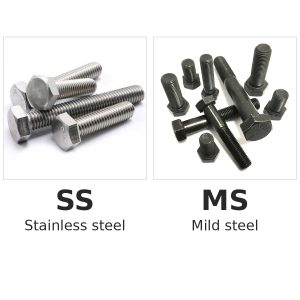
Material choice should follow the operating environment. A coastal or offshore line faces very different corrosion than an inland utility line. Stainless steel butt weld fittings cost more upfront, yet they often reduce maintenance in chemical, marine and food processing service. Carbon steel remains a sound choice for general oil, gas and water lines where corrosion is under control.
The fitting grade must also suit the pipe and the fluid. A mismatch usually shows up later as pitting, scaling or failure at the weld.
3. Ignoring Dimensional Standards and Tolerances
Many buyers assume every supplier follows the same dimensions. That assumption is expensive. Outer diameter, wall thickness and bevel angle must line up with the pipe for a clean root pass.
Fittings made to ASME B16.9 follow recognised dimensions, which keeps fit up consistent from one batch to the next. Ask for confirmation of dimensional tolerances in writing, especially on large orders delivered in stages.
Good dimensions also make the welder’s job easier once the order arrives, and it helps to review the common installation mistakes before welding begins.
Mistakes Four to Seven That Surface During Installation and Operation
The next four mistakes often stay hidden at the purchasing stage and only show up during inspection, welding and daily operation.
4. Skipping Inspection Documents and Traceability
Material test certificates, heat numbers and traceability records may feel like paperwork. They become valuable the moment an inspector asks where a fitting came from. Request these documents before the order is confirmed, not after delivery. If a supplier hesitates, treat that as useful information.
5. Overlooking Pressure Rating and Pipe Schedule
Every fitting has a working limit that depends on wall thickness and material grade. Check the pressure class against your design pressure and confirm the pipe schedule, since an unspecified schedule often defaults to standard wall.
Underrated fittings rarely fail on day one. They develop stress cracks under cyclic pressure over months. For high pressure and critical lines, many engineers prefer seamless butt weld fittings because of their uniform structure.
6. Picking the Wrong Fitting Type for the Layout
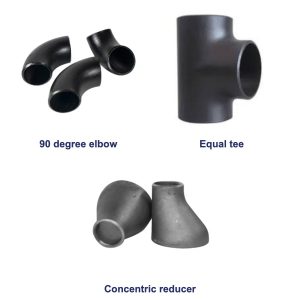
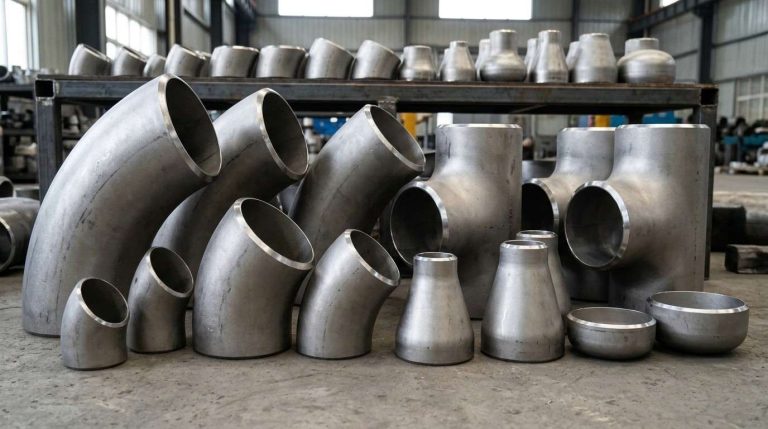
Elbows, tees, reducers and caps each do a specific job. Long radius elbows reduce turbulence and pressure drop in most layouts, while short radius versions suit tight spaces. Concentric reducers suit vertical lines, and eccentric reducers help avoid trapped air or liquid in horizontal runs. Choosing by habit instead of by layout creates flow restrictions and extra stress.
To match each fitting to its job, read about the types of buttweld fittings and where each one is used.
7. Chasing the Lowest Price
A low quotation looks like a win until labour hours start climbing. Extra fit up time, rework and delayed testing quickly cancel any saving. Experienced project managers compare the full cost, including lead time, documentation and after sales support. This is why the 7 mistakes people make when buying butt welded fittings so often trace back to price pressure at the quotation stage.
A Practical Checklist Before You Place an Order
Run through these points with your supplier before confirming any purchase.
- Confirm the material grade against the pipe specification and the fluid
- Request material test certificates and heat numbers
- Verify ASME B16.9 compliance and agree tolerances
- Check pressure class and pipe schedule against design data
- Match fitting type and radius to the layout
- Compare lead time and support along with price
Final Thoughts
Most piping problems start at procurement, long before the first weld. Supplier checks, material choice, standards, documents, pressure ratings, fitting type and total cost all deserve attention, and the 7 mistakes people make when buying butt welded fittings become simple to avoid once you know where to look.
If you are comparing options for your piping needs, K Hashim LLC is a good place to look through available products and get a clearer picture of what suits your application. You can also Contact our team if you want guidance on choosing the right fitting for your specific project.
Buy the right buttweld fittings the first time
Tell us your pipe size, material grade and pressure requirements, and our team will recommend suitable fittings with the documents your inspector expects. You get clear guidance and a prompt quote for your project.
FAQs
What are butt weld fittings used for?
They connect pipes by welding, allowing a line to change direction, branch, reduce in size or end with a cap. Their smooth internal profile supports steady flow in oil, gas, marine and process piping.
Should I choose seamless or welded butt weld fittings?
Seamless fittings suit high pressure and critical service because of their uniform structure. Welded fittings work well for general lines and larger sizes where pressure demands are moderate. The right choice depends on your design pressure and project specification.
Which standard applies to butt weld fittings?
ASME B16.9 is the standard most buyers rely on for dimensions and tolerances of factory made butt weld fittings. Always confirm the exact standard and material grade in your purchase order.
Explore More Expert Insights
Explore our expert insights to learn more about buttweld fittings, their types, standards and practical applications.
- 5 Signs Your Industrial Hose Needs Replacement: Key signs that your industrial hose needs replacing before failure occurs.
- Pipe Fittings Selection Guide: Types, Features, and Applications: A wider look at choosing the right fitting across residential, commercial and industrial piping.
- Choosing Steel Flanges for Industrial Piping in Dubai: Key factors for selecting the right flange to pair with your buttweld fittings.
- Differences Between Gate Valves and Globe Valves: A comparison to help you choose the right valve for flow control alongside your piping.
- Importance of Expansion Joints in Building Construction: Why expansion joints matter for pipeline and structural durability.