Essential Lifting Accessories for Every Job Site

Lifting operations are common across construction, manufacturing, warehouses, oil and gas, marine, and industrial sites. Safe and efficient lifting depends on more than cranes, hoists, or forklifts. The right lifting accessories help connect, secure, position, and control loads.

From lifting slings and shackles to lifting hooks and spreader beams, each accessory has a specific purpose. Choosing the correct equipment improves load control, reduces damage, and supports safer lifting operations.

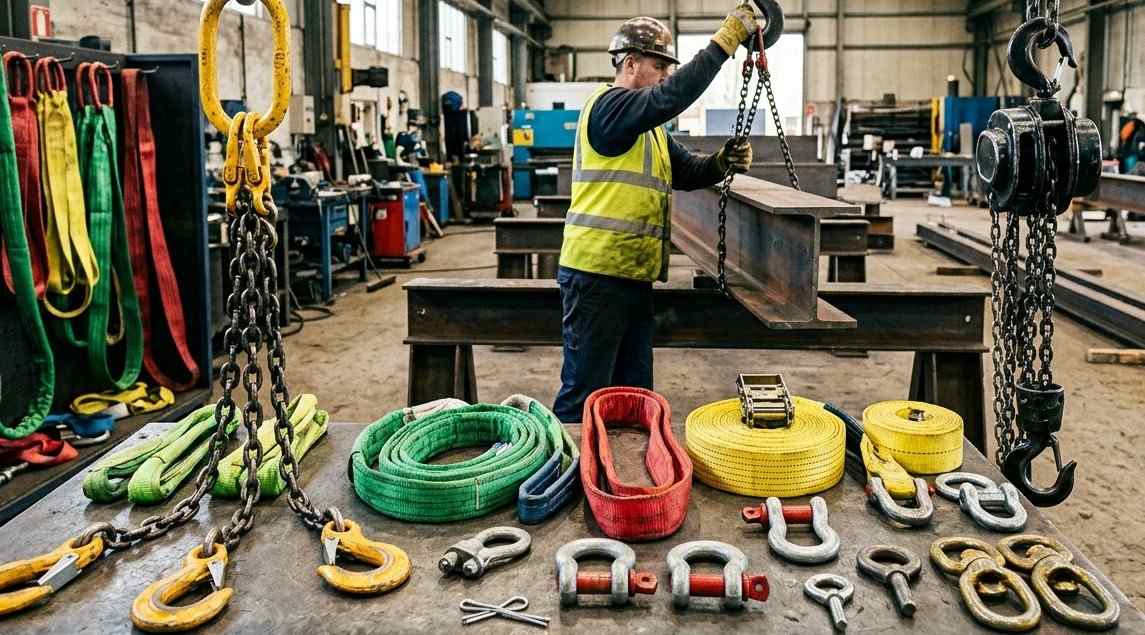
1. Webbing Slings

Webbing slings are flexible, lightweight lifting accessories made from high-strength synthetic material. They are widely used for machinery, pipes, structural components, and other loads.

Their soft surface helps reduce the risk of scratching finished materials. When choosing one, check its working load limit (WLL), length, width, and lifting configuration.

2. Wire Rope Slings

Wire rope slings are designed for demanding applications where strength, durability, and abrasion resistance are important. They are common in construction, steel fabrication, shipyards, and industrial plants.

Inspect them regularly for broken wires, corrosion, kinks, crushing, and other damage. Select the correct rope construction and capacity for the intended load.

3. Chain Slings

Chain slings are suitable for heavy lifting and applications involving sharp edges, rough surfaces, or higher temperatures. They are available in single-leg, two-leg, three-leg, and four-leg configurations.

Choose chain slings according to the required capacity, chain grade, lifting angle, and load configuration.

4. Lifting Shackles

Shackles provide secure connections between lifting slings, chains, hooks, and loads. Common types include bow shackles and D shackles each suited to different connection and loading requirements. 

Bow shackles provide a wider opening for multiple connections, while D shackles are suited to more direct loading. Always check the shackle’s working load limit before use.

5. Lifting Hooks

Lifting hooks connect cranes, hoists, chain blocks, and slings to loads. Many hooks include safety latches to help prevent accidental disengagement.

Inspect hooks for cracks, deformation, excessive wear, and damaged latches. Replace damaged hooks immediately.

6. Eye Bolts and Lifting Eye Nuts

Eye bolts and lifting eye nuts create attachment points for machinery, structures, equipment, and fabricated components.

Select the correct type based on the lifting direction and application. Always follow the manufacturer’s specifications, especially when lifting at an angle.

7. Spreader Beams

Spreader beams help distribute loads during lifting and are useful for long or wide materials. They can reduce sling angles and improve load stability.

Spreader beams for lifting are commonly used for pipes, steel structures, tanks, machinery, and large fabricated components. Complex lifts should be properly planned before work begins.

8. Lifting Clamps

Lifting clamps provide a temporary gripping point for materials such as steel plates and sheets. They are widely used in fabrication shops, warehouses, and construction sites.

Choose a clamp according to the material type, thickness, lifting direction, and rated capacity. Never exceed its working load limit.

9. Load Binders and Chain Tensioners

Load binders secure materials during transportation and are common in construction, logistics, trucking, and industrial applications.

They work with chains to hold pipes, steel sections, machinery, and other materials in position. Remember that load binders are primarily for load securing, not lifting, unless specifically rated for that purpose.

10. Lifting Magnets

Lifting magnets are useful for handling ferrous materials such as steel plates, pipes, and fabricated components. They can provide quick handling without conventional slings in suitable applications.

Before use, check the magnet’s capacity and the load’s thickness, surface condition, shape, and contact area. These factors can affect lifting performance.

How to Choose the Right Lifting Accessories

Start by evaluating the load weight, dimensions, center of gravity, lifting points, surface condition, and working environment.

Check the working load limit of every component in the lifting system. Capacity can also change based on sling configuration and lifting angles.

Before each operation, inspect accessories for cuts, deformation, corrosion, broken wires, damaged stitching, worn components, and missing identification tags.

Why Quality Lifting Accessories Matter

Quality industrial lifting equipment supports safer and more controlled material handling. Poorly selected or damaged accessories can increase the risk of load movement and equipment failure.

Choose lifting accessories with clear identification, suitable capacity ratings, and manufacturer documentation where required. Regular inspections, proper storage, and operator training are also essential.

Final Thoughts

The right lifting accessories for job sites improve safety, load control, and handling efficiency. Webbing slings, wire rope slings, chain slings, shackles, hooks, eye bolts, spreader beams, lifting clamps, load binders, and lifting magnets each serve different purposes. 

For reliable marine and industrial lifting equipment, K. Hashim LLC offers solutions for demanding industrial applications. Contact our team to discuss your lifting equipment requirements and find the right products for your job site.

Explore More Expert Insights

Explore our expert insights to stay updated on the latest piping solutions, flange types, and industrial best practices.

Cargo Net: Types, Uses & Benefits | Complete Guide

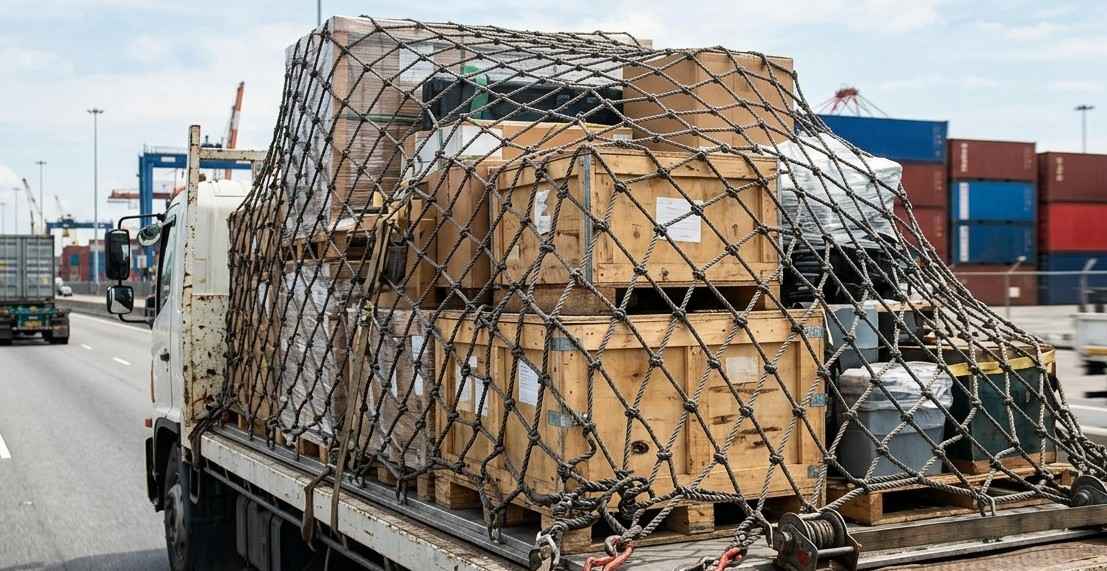
A cargo net is a flexible solution used to secure, lift, contain, and transport different types of materials. Unlike rigid containers or individual straps, cargo nets can adapt to irregular shapes and cover larger areas, making them useful for bulky, loose, and grouped loads.

They are commonly used in construction, transportation, logistics, warehouses, marine operations, and industrial material handling. Understanding the types of cargo nets, their uses, benefits, and selection factors can help you choose the right net for your application.

What Is a Cargo Net?

A cargo net is a mesh structure made from interconnected ropes, webbing, or synthetic fibers. It secures loads by creating multiple contact and attachment points, helping distribute forces across the cargo.

Depending on its design, a cargo net may be placed over materials during transportation, positioned underneath loads for lifting, or used to contain loose items.

Cargo nets are available in different materials, dimensions, mesh sizes, and load capacities. The right choice depends on the cargo weight, shape, handling method, and working environment.

How Does a Cargo Net Work?

A cargo net works by holding a load across multiple points rather than relying on a single strap or attachment. When tension is applied, the mesh helps distribute the securing force across a wider area.

For transportation, the net is generally placed over the cargo and connected to suitable anchor points. Specialized lifting nets can support materials underneath or around the sides during crane or hoist operations.

This makes cargo nets particularly useful for irregular loads, loose materials, bulky cargo, and grouped items.

Types of Cargo Nets

1. Cargo Restraint Nets

Cargo restraint nets are designed to prevent materials from shifting during transportation. They are commonly used on trucks, trailers, flatbeds, and open transport platforms.

They can secure construction materials, equipment, boxes, and other loose goods.

2. Cargo Lifting Nets

Cargo lifting nets are designed for lifting materials using cranes, hoists, and other equipment. Their flexible structure allows them to support loads with unusual shapes.

The net’s working load limit (WLL) must always be suitable for the load and lifting configuration.

3. Rope Cargo Nets

Rope cargo nets are made from interconnected high-strength ropes. Their flexibility allows them to conform to different load shapes.

They are commonly used in construction, transportation, marine, and industrial applications.

4. Webbing Cargo Nets

Webbing cargo nets use flat synthetic webbing instead of rope. Their wider surface provides greater contact with the load and can be useful where broad load coverage is required.

They are commonly used for transportation and industrial load restraint.

5. Safety Nets

Safety nets are designed to help prevent people, tools, or materials from falling. Although they can look similar to cargo nets, they are designed for different safety applications.

They should be selected according to the specific purpose and applicable requirements.

Common Uses of Cargo Nets

Cargo nets are used across several industries because of their flexibility and ability to accommodate different loads.

Transportation and Logistics

Cargo nets help secure goods on trucks, trailers, and open platforms. They are particularly useful for loose or irregular materials that may shift during transportation.

Construction

Construction sites often handle pipes, timber, tools, equipment, and other materials with different dimensions. Cargo nets can help secure these materials during transportation and handling.

For lifting applications, the net must be specifically rated for the intended load.

Warehouses

In warehouses, cargo nets can help contain or move groups of loose and irregular items. They can be used during material-handling operations when the net is compatible with the equipment and load.

Marine and Offshore Operations

Cargo nets are useful for moving equipment, supplies, and other materials in marine and offshore environments. When used in these conditions, resistance to moisture, salt, sunlight, and abrasion should be considered.

Aviation and Helicopter Operations

Specialized cargo nets can be used for certain aviation and helicopter material-handling applications. These operations require properly rated equipment designed for the specific lifting conditions.

Benefits of Cargo Nets

Flexible Design

Cargo nets can accommodate different shapes and sizes, making them suitable for irregular and grouped loads.

Load Distribution

Multiple contact points help distribute securing forces across a wider area when the net is correctly selected and installed.

Easy Handling

Many synthetic cargo nets are lightweight, flexible, and easy to fold and store.

Better Load Stability

A properly installed net can help reduce unwanted movement of materials during transportation and handling.

Reusable

Quality cargo nets can be reused when regularly inspected, maintained, and stored correctly.

Cargo Net vs Cargo Strap

Cargo nets and straps are both used for load securing, but they work best in different situations.

Feature Cargo Net Cargo Strap
Coverage Larger area Specific areas
Load Shape Irregular or grouped Defined loads
Flexibility High High
Load Distribution Multiple points Strap paths
Typical Use Loose and bulky cargo Individual loads

In some applications, cargo nets and straps can also be used together.

How to Choose the Right Cargo Net

Choosing the correct cargo net involves considering several important factors.

Check the Working Load Limit

For lifting applications, always check the WLL and ensure it is suitable for the load and lifting configuration. Never rely on appearance or size alone.

Consider the Cargo

Look at the load’s weight, dimensions, shape, and surface. Sharp edges and abrasive materials may require additional protection or a specialized net.

Select the Right Material

Polyester and nylon are common cargo net materials. The correct option depends on exposure to sunlight, moisture, chemicals, abrasion, and temperature.

Choose the Correct Mesh Size

Mesh size should match the cargo. Smaller openings can help contain smaller loose items, while larger mesh may be suitable for bulky materials.

Inspect Before Use

Check for cuts, broken strands, damaged stitching, excessive abrasion, chemical damage, and damaged attachment points before use.

Damaged nets should be removed from service and assessed according to the relevant safety procedures.

Conclusion

Cargo nets offer a practical way to secure, lift, and transport bulky, loose, or irregular loads across construction, logistics, marine, and industrial applications. Selecting the right net requires careful consideration of factors such as load capacity, material, mesh size, and the intended method of use.

For related marine and industrial requirements, K. Hashim LLC supports marine & industrial supply in UAE along with solutions for various material-handling needs. Choosing equipment based on the load and working environment can help ensure safer and more reliable handling.

For product details or application-specific requirements, contact our team for further information.

Explore More Expert Insights

Explore our expert insights to stay updated on the latest piping solutions, flange types, and industrial best practices.


Common Refrigerant Gas Leaks and Prevention Tips

Refrigerant gas is one of the most important components in air conditioning and refrigeration systems. It helps absorb heat from indoor spaces and transfers it outside, allowing cooling systems to maintain comfortable temperatures.

However, refrigerant leaks are a common issue that can reduce cooling performance, increase energy consumption, and damage HVAC equipment. A small refrigerant leak may go unnoticed for weeks, causing gradual performance problems and higher operating costs.

Understanding the common causes of refrigerant gas leaks, identifying early warning signs, and following proper maintenance practices can help extend the lifespan of air conditioning systems and prevent expensive repairs.

This guide explains why refrigerant leaks happen, how to detect them, and practical ways to prevent refrigerant loss in HVAC systems.

What Causes Refrigerant Gas Leaks?

Refrigerant leaks can occur due to several reasons, including equipment damage, poor installation, aging components, and lack of maintenance. Unlike fuel or water leaks, refrigerant leaks are often difficult to detect because the gas is usually invisible and escapes slowly.

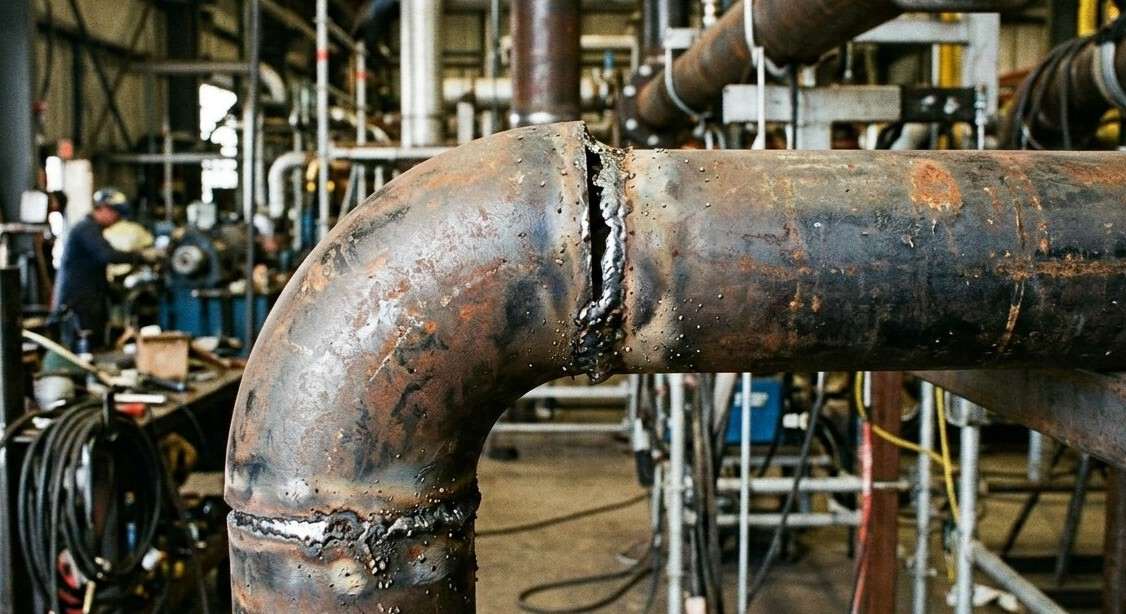
1. Damaged Refrigerant Lines

Copper refrigerant pipes connect different parts of an air conditioning system. Over time, these pipes may develop cracks or holes due to:

  • Vibration from the compressor
  • Physical damage
  • Corrosion
  • Poor installation practices

Even a small crack in the refrigerant line can lead to gradual gas loss and reduced cooling performance.

2. Loose or Faulty Connections

Refrigerant systems depend on secure connections between pipes, valves, and components. Loose fittings or improper connections can create small gaps where refrigerant escapes.

Common problem areas include:

  • Flare connections
  • Service valves
  • Pipe joints
  • Refrigerant charging ports

Proper installation and regular inspection help prevent these issues.

3. Corrosion of HVAC Components

Corrosion is a major cause of refrigerant leaks, especially in older air conditioning units. Moisture, chemicals, and environmental conditions can weaken metal components over time.

Corrosion commonly affects:

  • Evaporator coils
  • Condenser coils
  • Refrigerant tubing

Regular HVAC maintenance helps identify corrosion before it develops into a serious leak.

4. Worn-Out Evaporator or Condenser Coils

The evaporator and condenser coils play a key role in heat transfer. As these components age, corrosion and small cracks can appear, allowing refrigerant gas to escape.

Replacing damaged coils or repairing minor issues early can prevent system failure.

5. Poor HVAC Installation

Incorrect installation is one of the most common reasons for refrigerant leaks in new systems. Problems may include:

  • Incorrect pipe connections
  • Poor brazing work
  • Improper refrigerant charging
  • Damaged components during installation

Choosing experienced HVAC professionals ensures the system is installed correctly from the beginning.

Signs of a Refrigerant Gas Leak

Identifying refrigerant leaks early can prevent major damage. Look for these common warning signs:

Reduced Cooling Performance

If your air conditioner takes longer than usual to cool a room or cannot reach the desired temperature, low refrigerant levels may be the cause.

Ice Formation on AC Components

A refrigerant leak can reduce pressure inside the system, causing moisture to freeze on evaporator coils or refrigerant lines.

Visible ice buildup is a common indicator that the system needs inspection.

Higher Electricity Bills

When refrigerant levels are low, an air conditioner works harder to maintain cooling. This increased workload can lead to higher energy consumption.

Hissing or Bubbling Sounds

Small refrigerant leaks may create hissing sounds as gas escapes from damaged pipes or connections. Larger leaks may produce noticeable bubbling noises near refrigerant lines.

Unusual Odors

Some refrigerants may have a mild chemical smell. If unusual odors are detected near an HVAC system, professional inspection is recommended.

Common Types of Refrigerant Gas Used in Cooling Systems

Different HVAC systems use different refrigerants depending on their design, efficiency requirements, and environmental regulations.

Refrigerant Type Common Applications
R-22 Older air conditioning systems
R-410A Residential and commercial AC systems
R-32 Modern energy-efficient air conditioners
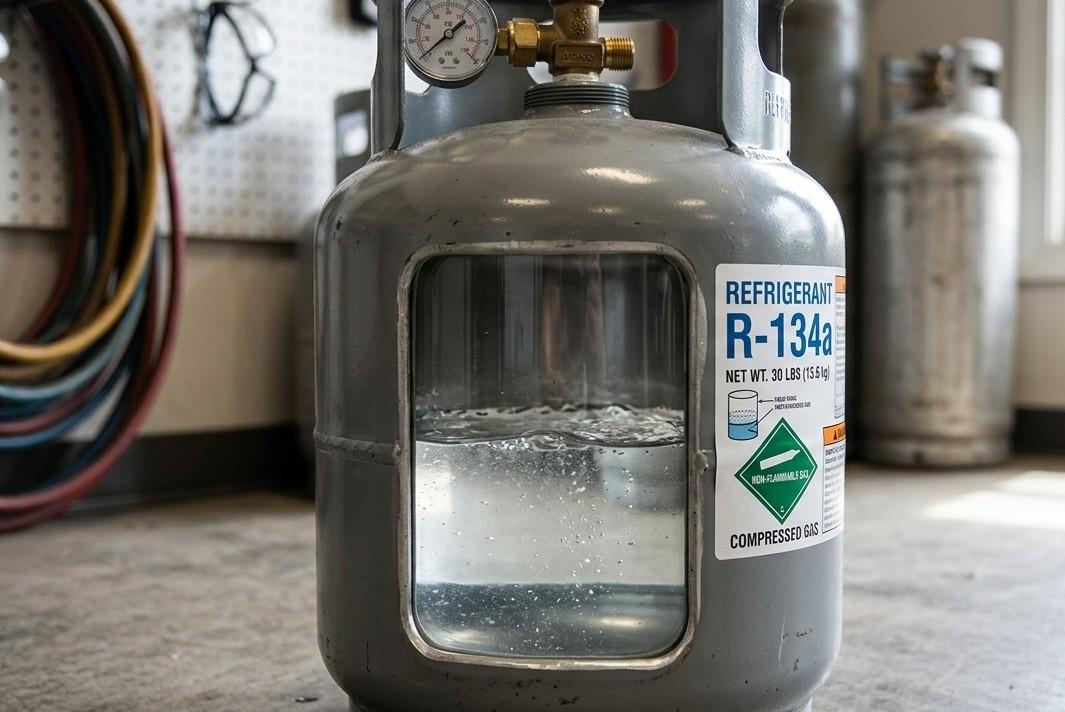
R-134a Automotive and refrigeration applications

Choosing the correct refrigerant type is essential because using the wrong gas can damage equipment and reduce efficiency.

How to Prevent Refrigerant Gas Leaks

Preventive maintenance is the best way to reduce the risk of refrigerant leaks and improve HVAC performance.

Schedule Regular AC Maintenance

Routine inspections help identify damaged components before they become major problems. Professional maintenance should include checking:

  • Refrigerant pressure levels
  • Pipe connections
  • Coil condition
  • System performance

Regular servicing also improves cooling efficiency and reduces unexpected breakdowns.

Inspect Refrigerant Lines Regularly

Checking refrigerant lines for corrosion, damage, or loose connections can prevent small problems from becoming expensive repairs.

Look for:

  • Rust or corrosion marks
  • Oil stains near pipes
  • Damaged insulation
  • Physical cracks

Keep Coils Clean

Dirty evaporator and condenser coils reduce system efficiency and increase pressure on HVAC components.

Cleaning coils regularly helps maintain proper airflow and reduces the risk of overheating and refrigerant-related issues.

Ensure Proper HVAC Installation

Professional installation plays a major role in preventing future refrigerant leaks.

Qualified technicians should:

  • Use correct installation methods
  • Perform leak testing
  • Apply proper brazing techniques
  • Charge refrigerant according to manufacturer specifications

Avoid DIY Refrigerant Handling

Handling refrigerants requires specialized tools and technical knowledge. Incorrect refrigerant charging or repairs can damage the system and create safety risks.

Always rely on trained HVAC professionals for refrigerant leak detection and repair.

Best Methods for Detecting Refrigerant Leaks

Professional technicians use several methods to locate refrigerant leaks accurately.

Electronic Leak Detection

Electronic leak detectors can identify small refrigerant leaks that are difficult to find manually.

UV Dye Testing

A special dye is added to the system and inspected using UV light to locate leak points.

Nitrogen Pressure Testing

Technicians may use nitrogen testing to identify pressure drops and locate damaged areas in refrigerant circuits.

Using the correct detection method helps ensure permanent repairs instead of temporary solutions.

Why Refrigerant Leak Prevention Matters

Preventing refrigerant leaks provides several benefits:

  • Better cooling performance
  • Lower energy consumption
  • Longer HVAC equipment lifespan
  • Reduced repair expenses
  • Improved environmental protection

A well-maintained cooling system operates more efficiently and provides consistent comfort throughout the year.

Conclusion

Refrigerant gas leaks are a common HVAC problem caused by damaged pipes, poor installation, corrosion, and aging components. Identifying early warning signs such as reduced cooling, ice buildup, and increased energy consumption can help prevent expensive repairs and improve system efficiency.

Regular maintenance, proper installation, and professional leak detection are essential for keeping air conditioning and refrigeration systems operating reliably.

For reliable refrigerant gas solutions, expert guidance, and quality HVAC products, K Hashim LLC provides trusted support to help customers maintain efficient cooling systems and prevent refrigerant-related issues. Contact now to discuss your requirements and get professional assistance for your HVAC needs.

Explore More Expert Insights

Discover guides on all hardware, building materials, and electrical products for your next project.