
- Abrasives & Drilling
- Buttweld Fittings
- Camlock Couplings and Fittings
- Clamps & Couplings
- Deck & Engine Store Supplies
- Fasteners & Hardware
- Fittings & Flanges
- Gaskets
- High-Pressure Pipe Fittings
- Hoses
- Industrial Epoxies & Spray Coatings
- Industrial Fasteners – Bolts, Nuts & Screws
- Industrial Gaskets & Sealing Products
- Lifting & Rigging
- Marine
- Marine Valves & Flow Control Solutions
- Oilfield & Industrial Supplies
- Packing & Industrial Materials
- Pipe Couplings & Expansion Joints
- PPE & Chemicals
- Safety
- Safety Items & Personal Protective Equipment
- Steel Flanges for Piping Systems
- Tools
- Valves
- Industrial Area 1, Sharjah, UAE
- sales@khashim.com
- info@khashim.com
- +971 6 533 8006
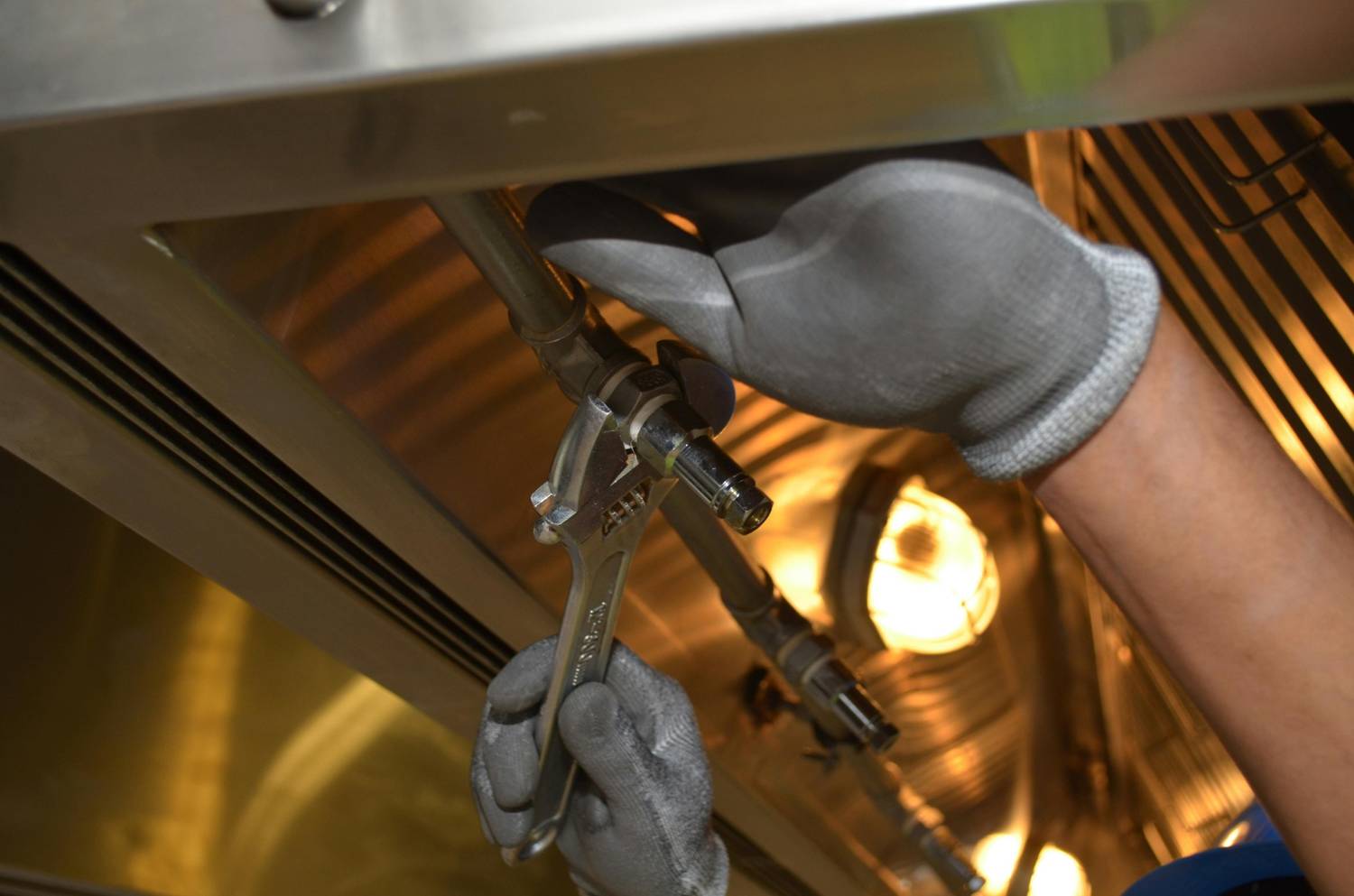
Camlock Fittings: How to Select the Best One Easily
Selecting the right camlock fitting is critical for ensuring safe, leak-free, and efficient fluid transfer across industrial applications. Whether you are working in chemical processing, food and beverage, agriculture, or construction, choosing the correct coupling directly impacts performance, safety, and system longevity.
This simple guide explains everything you need to know about camlock fittings, including materials, sizes, types, pressure ratings, and application suitability, helping you make an informed buying decision.
What Are Camlock Fittings?
Camlock fittings, also known as cam and groove couplings, are quick-connect hose couplings used to join hoses, pipes, or tanks without tools. They consist of a male adapter and a female coupler with cam arms that lock into place, creating a secure seal.
Because of their ease of use and reliability, camlock couplings are widely used in fluid transfer systems where frequent connection and disconnection are required.
Why Choosing the Right Camlock Fitting Matters
Using the wrong camlock fitting can lead to leaks, pressure loss, equipment damage, or safety hazards. Each application has unique requirements related to fluid type, pressure, temperature, and environment.
By selecting the correct camlock hose fittings, you ensure system compatibility, reduce downtime, and improve operational efficiency.
Key Factors to Consider When Choosing the Best Camlock Fitting
Choosing the right camlock fitting involves more than just selecting a size. You must evaluate material compatibility, pressure ratings, connection types, and industry requirements to ensure safe and efficient fluid transfer.
Understanding these key factors helps prevent leaks, reduces downtime, and ensures long-term reliability in industrial applications.
1. Camlock Material Selection
The material of a camlock fitting determines its durability, corrosion resistance, and suitability for specific fluids and environments.
If you are sourcing high-quality camlock fittings for industrial use, choosing a trusted Camlocks Fittings Supplier in UAE ensures access to certified stainless steel, aluminium, brass, and polypropylene options designed for demanding applications.
- Stainless steel camlock fittings are ideal for corrosive chemicals, high temperatures, and hygienic applications such as food and beverage processing.
- Aluminium camlock fittings are lightweight and commonly used for water, fuel, and air transfer.
- Brass camlock fittings suit water and mild chemicals, while polypropylene camlock fittings are preferred for low-pressure chemical applications.
2. Choosing the Correct Camlock Size
Selecting the right camlock fitting size ensures proper flow rate and prevents pressure loss or leakage. Sizes typically range from ½ inch to 6 inches depending on the application.
Always match the camlock size to the internal diameter of the hose or pipe to maintain system efficiency.
3. Understanding Camlock Coupling Types
Camlock fittings come in various types identified by letters, each designed for specific connection requirements.
- Type A: Male adapter with female thread
- Type B: Female coupler with male thread
- Type C: Female coupler with hose tail
- Type D: Female coupler with female thread
- Type E: Male adapter with hose tail
- Type F: Male adapter with male thread
- Type DC & DP: Dust caps and dust plugs
Selecting the correct camlock coupling types ensures compatibility with your hose, pipe, or equipment.
4. Pressure and Temperature Ratings
Every camlock fitting has a maximum working pressure and temperature rating based on its material and size.
Metal fittings typically handle higher pressures and temperatures than plastic options. Always select industrial camlock fittings that exceed your system’s operating conditions for added safety.
5. Camlock Gaskets and Sealing Materials
The gasket plays a vital role in preventing leaks and maintaining a tight seal. Common gasket materials include:
- EPDM for water and mild chemicals
- Buna-N (Nitrile) for oil and fuel
- Viton for high temperatures and aggressive chemicals
Choosing the right camlock gaskets ensures chemical compatibility and long-term sealing performance.
6. Thread Type and Connection Standards
Camlock fittings are available with different thread standards, including NPT camlock fittings and BSP threads.
Ensuring thread compatibility with your existing equipment prevents installation issues and ensures a secure connection.
7. Application and Industry Requirements
Different industries require different camlock specifications based on hygiene, chemical resistance, and operating conditions.
Food grade camlock fittings made from stainless steel with approved gaskets are essential for food and beverage applications. Chemical, agricultural, and water transfer industries may require aluminium or polypropylene fittings depending on the fluid being handled.
8. Safety, Maintenance, and Longevity
Routine inspection of camlock fittings helps identify worn cam arms, damaged gaskets, or loose connections.
Proper maintenance and timely replacement of components ensure safe operation and extend the service life of quick connect camlock fittings.
How to Choose the Best Camlock Fitting
To summarize, consider the following when selecting the right camlock fitting:
- Fluid type and chemical compatibility
- Operating pressure and temperature
- Required camlock type and size
- Material durability and environment
- Gasket and thread compatibility
Making the right choice ensures reliability, safety, and long-term performance.
AI Overview
Choosing the best camlock fitting depends on material, size, type, pressure rating, and gasket compatibility. The right selection ensures leak-free connections, safe fluid transfer, and long-term industrial performance.
FAQs
What are camlock fittings used for?
Camlock fittings are used to quickly connect and disconnect hoses and pipes for safe fluid transfer in industrial, chemical, food, and agricultural applications.
Which camlock material is best for chemicals?
Stainless steel and polypropylene camlock fittings are best for chemical use due to their excellent corrosion resistance and chemical compatibility.
How do I choose the right camlock fitting size?
Choose a camlock size that matches the internal diameter of your hose or pipe to ensure proper flow and prevent leaks or pressure loss.
Are camlock fittings universal?
Camlock fittings are interchangeable by size, but thread type, material, and pressure ratings must match for safe and proper compatibility.
Conclusion
Choosing the best camlock fitting comes down to understanding your application requirements, including material compatibility, size, pressure rating, and connection type. Making the right selection ensures safe, leak-free fluid transfer, improved efficiency, and long-term system reliability.
By investing in high-quality camlock fittings and proper sealing components, you can reduce maintenance issues and enhance overall operational performance.
If you need reliable and durable camlock fittings for your industrial applications, contact K. Hashim today. Our experts are ready to help you choose the right camlock solution for your specific requirements.
Explore More Expert Insights
Discover deck & engine components, marine epoxies, fasteners, fittings, flanges, valves, and gauges for your next project.
- Differences Between Gate Valves and Globe Valves: A quick comparison to help you choose the right valve for precise flow control and long-term performance.
- Different Types of Buttweld Fittings and Their Applications: Explore Buttweld Fittings: Types and Practical Applications
- Importance of Expansion Joints in Building Construction: Importance of Expansion Joints in Building Construction
- Personal Protective Equipment (PPE) Compliance Checklist: Ensure Safety with PPE Compliance Checklist
- Uses of Woolen Felt Sheets in Industrial Applications: Woolen Felt Sheets Uses and Sounding Cock Valves
Popular Posts

April 4, 2024

April 22, 2024


May 28, 2024