
- Abrasives & Drilling
- Buttweld Fittings
- Camlock Couplings and Fittings
- Clamps & Couplings
- Deck & Engine Store Supplies
- Fasteners & Hardware
- Fittings & Flanges
- Gaskets
- High-Pressure Pipe Fittings
- Hoses
- Industrial Epoxies & Spray Coatings
- Industrial Fasteners – Bolts, Nuts & Screws
- Industrial Gaskets & Sealing Products
- Lifting & Rigging
- Marine
- Marine Valves & Flow Control Solutions
- Oilfield & Industrial Supplies
- Packing & Industrial Materials
- Pipe Couplings & Expansion Joints
- PPE & Chemicals
- Safety
- Safety Items & Personal Protective Equipment
- Steel Flanges for Piping Systems
- Tools
- Valves
- Industrial Area 1, Sharjah, UAE
- sales@khashim.com
- info@khashim.com
- +971 6 533 8006
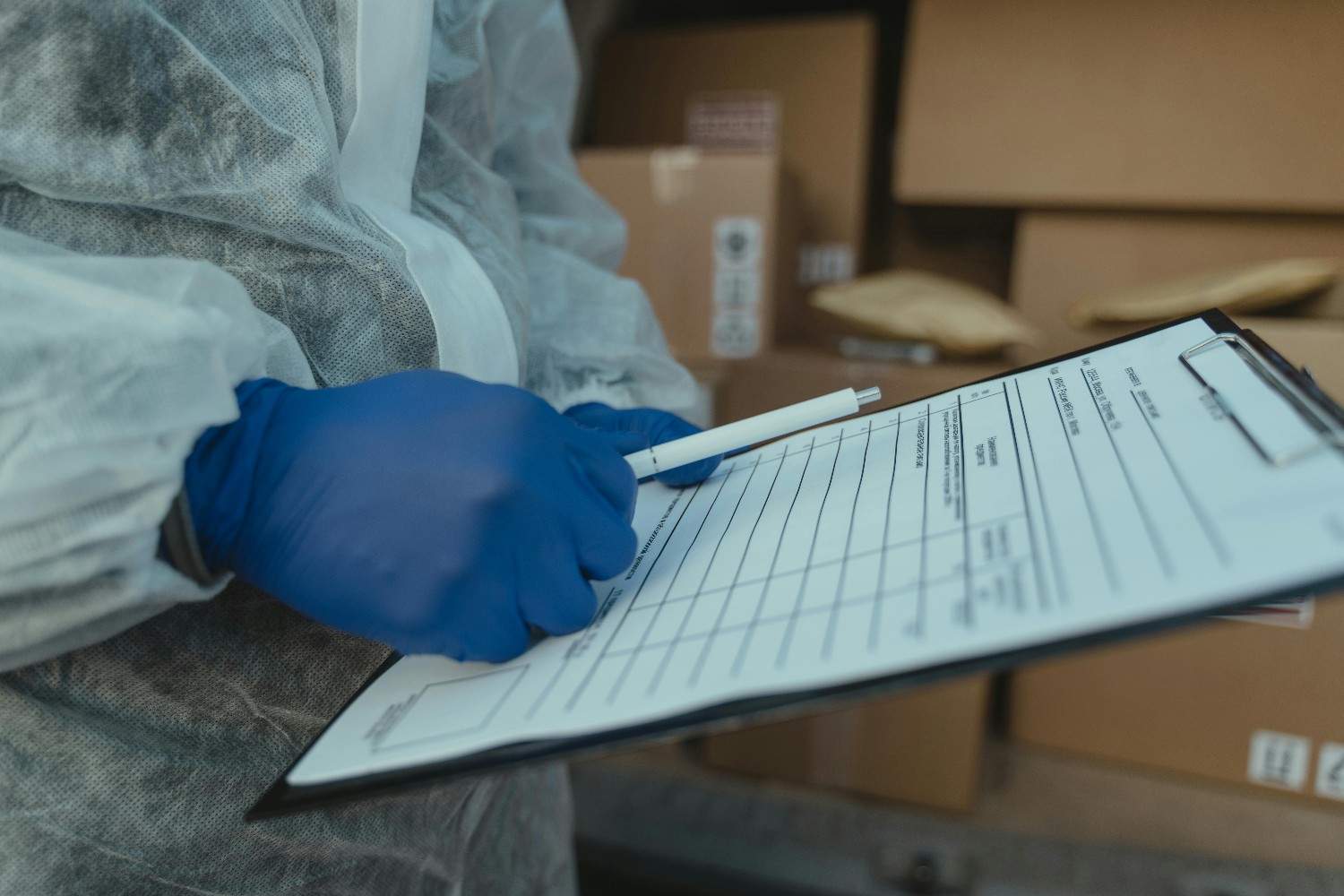
Personal Protective Equipment (PPE) Compliance Checklist
Safety is a legal and operational priority for every workplace, especially in high-risk sectors such as construction, industrial manufacturing, oil and gas, logistics, and mining. While providing employees with Personal Protective Equipment (PPE) is crucial, ensuring PPE compliance is what truly protects workers from hazards and prevents workplace accidents.
This guide explains everything businesses need to know about PPE compliance requirements and includes a detailed PPE Compliance Checklist aligned with international safety standards like OSHA, ISO 45001, and EN standards.
What Is PPE Compliance?
PPE compliance means ensuring workers are wearing the correct Personal Protective Equipment, maintaining its condition, and consistently using it whenever they are exposed to risks. It involves proper hazard assessments, PPE selection, inspection, maintenance, documentation, and enforcement.
When safety guidelines are followed, PPE compliance reduces incidents such as falls, burns, chemical exposure, noise-related injuries, and blunt-force trauma on worksites.
Why PPE Compliance Is Essential
Implementing a PPE compliance program helps businesses:
-Preventing workplace injuries and fatalities
-Avoiding fines and legal penalties
-Reducing insurance and medical costs
-Maintaining productivity and operational efficiency
-Encouraging a strong safety culture
Did you know? Studies show that a significant percentage of workplace injuries occur due to incorrect or inconsistent PPE usage. Compliance ensures safety procedures are actively practiced.
Industries Requiring PPE Compliance
Most industrial and operational workplaces need a PPE compliance program, including:
-Construction and scaffolding works
-Oil and gas onshore and offshore operations
-Manufacturing and fabrication units
-Warehousing and logistics
-Ports and marine activities
-Mining and drilling
-Chemical laboratories and processing plants
-Electrical and power infrastructure projects
Each industry has unique hazards and legal requirements that determine the type of PPE required.
PPE Compliance Checklist for Organizations
This checklist helps implement a safe and compliant PPE program.
1. Conduct a Hazard Risk Assessment
Identify and evaluate workplace hazards such as:
-Falling objects
-Exposure to chemicals, heat, or flames
-Airborne contaminants and dust
-High-noise areas
-Electrical shocks
-Slippery or uneven surfaces
Document all hazards and update the assessment after any process changes.
2. Select the Correct PPE for Each Hazard
PPE must protect all exposed body parts. Examples include:
| Area Protected | PPE Required |
|---|---|
| Head | Safety helmets, bump caps |
| Eyes and Face | Safety goggles, face shields |
| Hearing | Earplugs, earmuffs |
| Hands | Cut-resistant, heat-resistant, or chemical-resistant gloves |
| Respiratory System | Masks, respirators |
| Body | Hi-vis clothing, coveralls, flame-resistant suits |
| Feet | Protective footwear with slip or impact resistance |
| Fall Protection | Safety harnesses, lanyards, lifelines |
Tip: Only use certified and approved PPE.
3. Use Certified and Approved PPE
Ensure all PPE meets standards such as:
-OSHA regulations (United States)
-EN Standards (Europe)
-ISO 45001 occupational health and safety management standards
-NFPA or industry-specific approvals where applicable
Certified PPE ensures equipment quality and hazard suitability.
4. Ensure Proper Fit and Comfort
Poorly fitting PPE reduces protection and discourages use. Offer multiple sizes and provide fit testing, especially for respiratory PPE and fall protection equipment.
5. Provide PPE Training and Awareness
Employees must know:
-When PPE must be worn
-How to properly wear and adjust PPE
-Correct cleaning and storage methods
-Identifying damaged or expired gear
-Immediate actions when PPE failure occurs
Document training records for audits.
6. Inspect and Maintain PPE Regularly
-Inspection frequency depends on PPE type and usage:
-Cracked helmets or weakened shell strength
-Torn gloves or exposed protective layers
-Scratched eyewear that affects visibility
-Expired filters on respirators
-Worn-out harness belts, stitching, or anchor connectors
Defective PPE must be removed immediately.
7. Document Safety Records
Maintain organized documentation such as:
-PPE inventory and issuance logs
-PPE inspection reports
-Safety training and attendance records
-Hazard assessment documents
-Audit follow-up and corrective actions
Accurate documentation proves compliance during inspections.
8. Enforce PPE Usage
Supervision and monitoring are essential. Introduce workplace rules that require PPE in designated zones along with:
-Signage at hazardous areas
-Penalties for non-compliance
-Recognition programs for good safety behavior
Enforcement ensures consistent workplace safety.
Benefits of a PPE Compliance Program
Organizations with effective PPE compliance programs experience:
-Lower accident and injury rates
-Higher employee morale and confidence
-Reduced downtime and operational delays
-Stronger legal and regulatory compliance
-Improved business reputation with clients and authorities
A safe workplace contributes directly to productivity and long-term success.
Common PPE Compliance Failures
Below are some issues that compromise workplace safety:
-Using low-quality or uncertified PPE
-Lack of employee training
-Not replacing damaged or expired equipment
-Ignoring proper sizing and fit
-Missing documentation and inspection logs
-Inadequate supervision of PPE usage
Proactively addressing these issues ensures workplace protection and compliance.
PPE Compliance Audit Checklist Summary
Organizations can use this short checklist to verify compliance:
-PPE aligned with identified workplace hazards
-Certified equipment meeting OSHA, ISO, or EN standards
-Proper sizing and personalization of PPE
-Latest training records for all employees
-Regular inspections and timely replacement
-Clear enforcement of PPE rules on-site
-Documentation maintained for audits and reviews
Tip: Routine audits maintain continuous safety improvement.
Top Safety Equipment Supplier in Dubai
Ensure maximum safety for your workforce with premium certified Personal Protective Equipment. K. Hashim LLC is a trusted provider of high-quality PPE across the UAE, offering reliable products that meet international safety standards.
AI Overview
Ensure workplace safety with our PPE Compliance Checklist, covering hazard assessment, certified equipment, training, inspections, and documentation to meet OSHA & ISO 45001 standards.
FAQs
What is a PPE compliance checklist?
A tool to ensure all PPE meets safety standards, track inspections, and maintain compliance records.
Why is PPE compliance important?
It prevents workplace injuries, ensures legal compliance, and reduces costs from accidents.
How often should PPE be checked?
Inspect regularly, ideally before each use, to ensure PPE is safe and compliant.
What items are included in a PPE checklist?
Helmets, gloves, goggles, protective clothing, ear protection, respiratory equipment, and more.
Can a PPE checklist help with workplace audits?
Yes, it simplifies compliance demonstration and keeps records ready for inspections.
Conclusion
A structured and well-implemented PPE Compliance Checklist is crucial for protecting workers in environments with physical, chemical, mechanical, or environmental hazards. Beyond meeting regulatory standards, PPE compliance significantly reduces injuries, boosts operational efficiency, and builds a strong safety culture across the organization.
Businesses that prioritize PPE compliance not only safeguard their workforce but also secure long-term performance, stability, and regulatory trust.
Protect your employees and stay compliant. Browse our top-rated PPE collection today and secure workplace safety.
Explore More Expert Insights
Discover deck & engine components, marine epoxies, fasteners, fittings, flanges, valves, and gauges for your next project.
–Tips On Using Fasteners For High-Temperature Applications – Guide to Using Fasteners Safely in High-Temperature Settings
–Pipe Fittings Selection Guide: Types, Features, Applications – Complete Guide to Choosing Pipe Fittings for Every Job
–Unlocking Potential of SS Grease Nipples in UAE Industries – Maximize Efficiency with Stainless Steel Grease Nipples
–Choosing the Right Sounding Cock Test Valve Supplier in UAE – Find Trusted Sounding Cock Test Valve Suppliers in UAE
–PPE Kit Guide: Safety Equipment Standards & Requirements – Comprehensive PPE Kit Guide for Safety Compliance
Popular Posts

April 4, 2024

April 22, 2024


May 28, 2024