Industrial Epoxy Flooring in Dubai: Durable & Long-Lasting Solutions

Industrial flooring plays a critical role in ensuring operational efficiency, safety, and longevity of facilities in sectors such as manufacturing, logistics, warehousing, and heavy industry. In Dubai, one of the fastest‑growing economic hubs in the Middle East, industrial operations demand flooring solutions that can withstand intense usage, extreme environmental conditions, and strict safety regulations.

This comprehensive analysis explores the topic in depth, incorporating web‑based research, pricing data, practical examples, and expert perspectives to provide a professional and informative understanding of epoxy flooring in Dubai.

Overview of Epoxy Coating for Industrial Flooring

Epoxy coating refers to a multi‑component resin system applied to concrete floors to create a protective, seamless surface. When properly installed, epoxy combines resin and a hardening agent to form a rigid, chemically resistant material that bonds strongly with concrete substrates.

The Industrial Flooring Context in Dubai

Dubai’s industrial landscape includes Free Zones like Dubai Industrial City and Jebel Ali Free Zone (JAFZA), logistics hubs, large warehouses, and production facilities. These environments present flooring challenges such as high traffic from machinery and forklifts, chemical spills, temperature fluctuations, and stringent safety and cleanliness standards.

In response, epoxy coatings have gained wide acceptance among facility managers due to their technical performance and lifecycle cost advantages.

Technical Attributes and Performance Metrics

Strength and Durability

Durable epoxy floors exhibit exceptional resistance to mechanical wear caused by heavy machinery, forklift movement, and constant foot traffic. Technical specifications often indicate high compressive and tensile strength, making epoxy suitable for high‑impact industrial environments. According to industry performance data, heavy‑duty epoxy coatings can offer compressive strength values exceeding 90 MPa and outstanding abrasion resistance, critical for long‑term functionality.

Chemical and Thermal Performance

Industrial operations often involve exposure to chemicals such as oils, acids, alkalis, and solvents. Epoxy coatings provide superior resistance to chemical attack, preventing concrete degradation and simplifying cleaning procedures. In Dubai’s hot climate, some epoxy formulations are engineered to withstand temperature extremes, maintaining structural integrity and surface consistency in high‑heat environments.

Hygiene and Safety Compliance

Seamless epoxy floors are non‑porous and easy to clean, making them suitable for facilities requiring high hygiene standards such as food processing, pharmaceutical production, and healthcare‑related operations. The non‑porosity of epoxy eliminates microbial harboring and facilitates compliance with safety and hygiene guidelines such as HACCP and ISO food standards.

Customization and Functional Enhancements

Epoxy systems can be engineered with various finishes and additives, including anti‑slip aggregates, anti‑static properties for electronic manufacturing, and color‑coded zone marking for safety navigation within facilities. These bespoke features enhance both safety and operational organization.

Financial Considerations and Lifecycle Cost

Installation Costs in Dubai

Pricing for epoxy flooring varies based on system type, thickness, surface preparation, and functional requirements. Standard industrial epoxy coatings in Dubai typically range from moderate to premium rates per square meter. Estimates from local providers suggest:

  • Industrial heavy‑duty epoxy flooring: AED 100–150 per m² (approx.)
  • Self‑leveling industrial epoxy systems: AED 120–250 per m² (approx.)
  • Anti‑slip and decorative epoxy coatings: AED 90–160 per m² (approx.)

These prices reflect variations in material quality, installation complexity, and finishing requirements.

Lifecycle Benefits and Maintenance

While initial investment in epoxy flooring may be higher compared to basic concrete treatments, the long‑term cost advantages are significant. Epoxy floors require minimal maintenance, resist staining and damage, and can last 10–20 years with proper care. This translates into reduced repair costs, minimal operational downtime, and extended service life compared to alternative flooring options.

Case Examples: Epoxy Flooring in Dubai Industrial Facilities

Dubai Industrial City Warehouse Project

A case study from a warehouse in Dubai Industrial City highlights the practical benefits of industrial epoxy flooring. A multi‑layer epoxy system was applied following meticulous surface preparation. The completed floor exhibited seamless finish, chemical resistance, and high durability, meeting the client’s operational demands. The project showcased epoxy’s ability to improve safety, cleanliness, and facility performance while maintaining aesthetic quality.

Typical Use Cases

Across Dubai, industrial epoxy coatings serve diverse applications:

  • Warehouses and distribution centres
  • Manufacturing plants and assembly lines
  • Chemical processing facilities
  • Food processing floors with hygiene requirements
  • Automotive workshops and service centres

These real‑world deployments demonstrate epoxy’s adaptability across sector‑specific needs and performance criteria.

Best Practices for Implementation

Surface Preparation

Effective epoxy flooring begins with thorough surface preparation, including cleaning, grinding, crack repair, and moisture assessment. Proper preparation ensures adhesion and prevents premature failure.

Multi‑Layer Systems

A typical industrial epoxy installation involves primer, base, and topcoat layers. Each layer contributes to adhesion, chemical resistance, and mechanical protection. Expert contractors often incorporate quartz sand or other aggregates to enhance strength and anti‑slip properties.

Curing and Project Scheduling

Epoxy coatings require controlled curing time, often completed within a few days, allowing facilities to resume operations quickly. Efficient project scheduling minimizes downtime and maintains workflow continuity.

Challenges and Considerations

Environmental and Surface Conditions

Dubai’s humid climate and temperature fluctuations can influence epoxy curing behavior. Contractors must account for environmental conditions during application to prevent issues such as blisters, bubbles, or improper bonding.

Contractor Expertise

The performance of epoxy flooring is highly dependent on installation quality. Selecting experienced applicators with technical expertise and quality control processes is vital for long‑term success.

Top Industrial Adhesives and Coatings for Durable Flooring

AI Overview

This blog explains durable epoxy coatings for industrial flooring in Dubai, highlighting strength, chemical resistance, safety compliance, cost efficiency, and practical applications for high-performance facilities.

FAQs

What is epoxy coating for industrial flooring?

Epoxy coating is a resin-based protective layer applied on concrete floors to enhance durability, chemical resistance, and load-bearing capacity in industrial settings.

How long does epoxy flooring last in Dubai?

With proper installation and maintenance, epoxy flooring in Dubai can last 10 to 20 years, even under heavy industrial use and extreme temperatures.

Is epoxy flooring suitable for chemical industries?

Yes, epoxy floors are highly resistant to chemicals, oils, and solvents, making them ideal for chemical processing plants and laboratories.

How much does epoxy flooring cost per square meter in Dubai?

Industrial epoxy flooring in Dubai typically ranges from AED 100 to 250 per square meter, depending on thickness, finish, and functional additives.

Conclusion

Durable epoxy coatings offer a comprehensive solution for industrial flooring in Dubai, combining mechanical strength, chemical resistance, and low maintenance for long-lasting performance. Proper surface preparation, expert installation, and the right epoxy system ensure safety, hygiene, and operational efficiency across warehouses, manufacturing plants, and chemical facilities. Investing in epoxy flooring not only enhances durability but also reduces long-term maintenance costs and operational downtime.

For reliable, high-performance industrial flooring solutions, K. Hashim LLC is your trusted partner across the UAE. We provide top-quality products and services for industrial, marine, and oilfield sectors, ensuring safety, compliance, and lasting results.

Contact us today to elevate your facility’s flooring and secure a durable investment for the future.

Must-Have Marine Equipment for Shipyards in the UAE

The UAE’s maritime industry is expanding at an impressive pace, with shipyards in Sharjah, Dubai, and across the Emirates playing a crucial role in supporting commercial shipping, offshore oil and gas operations, luxury yachts, and fishing fleets. To maintain efficiency, safety, and compliance, every shipyard must invest in high-quality marine equipment.

From heavy lifting cranes to advanced navigation systems and safety gear, having the right tools ensures smooth operations, enhances productivity, and delivers top-quality results. This guide highlights the essential equipment that every UAE shipyard should prioritize.

Cranes and Lifting Equipment

Handling large ship components and heavy materials requires reliable lifting solutions. Shipyards utilize gantry cranes, overhead cranes, and mobile dockside cranes to move materials safely and efficiently.

Modern cranes with high load capacities, automated controls, and built-in safety features reduce downtime and prevent accidents, making them indispensable in busy UAE ports such as Jebel Ali, Khalifa Port, and Sharjah Port.

Welding and Fabrication Tools

Precision welding and fabrication are central to shipbuilding and repair. Equipment such as MIG, TIG, and submerged arc welders ensures strong, durable joins, while plasma cutters and metal shaping tools allow accurate customization.

For steel and aluminum hulls, commonly used in UAE vessels, these tools guarantee structural integrity and long-term durability, helping shipyards meet strict quality standards.

Marine Engines and Power Systems

Shipyards must maintain, test, and install marine engines, generators, and propulsion systems to ensure vessels are deployment-ready. Diesel and gas engines provide reliable propulsion, auxiliary generators supply onboard power, and advanced steering systems enhance maneuverability.

Investing in dependable power systems ensures vessels operate safely, efficiently, and in compliance with UAE maritime regulations.

Navigation and Communication Systems

Modern vessels require advanced navigation and communication systems to operate safely. Shipyards equip ships with GPS, radar systems, Automatic Identification Systems (AIS), and VHF or satellite communication devices.

Accurate navigation is particularly critical in busy UAE ports, ensuring vessels avoid collisions, maintain compliance, and optimize port operations.

Safety & Personal Protective Equipment

Worker safety is a top priority in shipyards. Life jackets, lifebuoys, immersion suits, firefighting tools, and emergency evacuation systems protect personnel and reduce risks during vessel construction and repair.

Compliance with UAE regulations and international maritime standards ensures safe and efficient operations across all shipyard activities.

Hull Maintenance and Cleaning Equipment

Regular hull maintenance preserves vessel performance and longevity. Shipyards use high-pressure water jetting systems to remove debris, abrasive blasting tools for rust removal, and anti-corrosion coating systems to protect metal surfaces.

Proper maintenance improves operational efficiency, reduces repair costs, and ensures vessels remain seaworthy under challenging maritime conditions.

Docking and Mooring Systems

Safe docking is essential for shipyard operations. Equipment such as mooring bollards, hydraulic winches, and dock fenders ensures stable and controlled positioning of vessels during construction, repair, and maintenance.

These systems reduce the risk of damage and allow smooth handling of even the largest ships.

Lifting Slings and Rigging Gear

Proper rigging is critical for safely lifting heavy ship components. Certified wire ropes, lifting slings, shackles, and hooks, combined with load-monitoring devices, ensure materials are handled efficiently without endangering personnel. High-quality rigging gear improves worker safety and operational productivity.

Industrial Power Tools and Hand Tools

Shipyards require a variety of power and hand tools to complete assembly, repairs, and fabrication work. Drills, grinders, saws, torque wrenches, and hydraulic or pneumatic tools allow workers to achieve precision, speed, and safety.

Properly equipped shipyards can maintain consistent workflow and high-quality standards across all operations.

Environmental Protection Equipment

Sustainability is increasingly important for UAE shipyards. Equipment such as oil spill containment systems, wastewater treatment units, and dust/fume extraction tools helps protect marine ecosystems while ensuring compliance with UAE environmental regulations.

Responsible environmental management enhances a shipyard’s reputation and aligns with national ecological goals.

AI Overview

UAE shipyards require cranes, welding tools, marine engines, navigation, safety gear, docking systems, and maintenance equipment for efficient, safe, and compliant maritime operations.

FAQs

What marine equipment is essential for shipyards in Sharjah and Dubai?

Shipyards require cranes, welding tools, marine engines, navigation systems, safety gear, docking and mooring systems, rigging equipment, and environmental protection systems.

Why is safety equipment critical in UAE shipyards?

Safety equipment protects workers, ensures compliance with international and UAE maritime standards, and prevents accidents during vessel construction and repair.

How does hull maintenance equipment benefit vessels?

High-pressure water jets, abrasive blasting, and anti-corrosion coatings maintain vessel integrity, improve performance, and extend service life.

What modern technology should UAE shipyards invest in?

Advanced navigation, communication, and engine testing systems enhance efficiency, precision, and safety for vessels operating in UAE waters.

Our Marine Supply Categories Include:

Our top-selling marine valves are designed for reliability, durability, and safety, making them essential for shipyards and vessels across the UAE:

Ball Valves

Butterfly Valves

Check Valves

Gate Valves

Emergency Shut Off Valves

Y-Strainers

Browse our complete range of marine supplies in the UAE today.

Final Thoughts

Investing in high-quality marine equipment is essential for shipyards in Sharjah, Dubai, and across the UAE to ensure efficiency, safety, and compliance. From cranes and welding tools to navigation systems, safety gear, and environmental protection equipment, every investment directly impacts vessel quality and productivity.

For reliable, durable, and compliant equipment, K. Hashim LLC is your trusted partner across the UAE. We supply top-quality products for the Marine, Oilfield, and Industrial Supply sectors, ensuring safety and compliance.

Contact us today and secure the equipment your shipyard needs — don’t wait, invest now!

Understanding Marine Valves and Their Role in Ship Systems

Dubai’s bustling ports and strategic Gulf location make maritime operations a cornerstone of regional commerce and logistics. Behind the scenes, one crucial yet often overlooked set of components keeps vessels safe and operational: marine valves. From stabilizing ballast water to ensuring fire‑fighting systems respond instantly, these precision devices are the unsung heroes of every ship system.

But how do ship operators in Dubai and across the UAE choose the right valves for fuel, cooling, and ballast systems? Whether you’re responsible for ship maintenance, procurement, or engineering in the UAE maritime sector, understanding how different marine valves function and why they matter is essential for safety, compliance, and cost‑effective operation.

What Are Marine Valves and Why They Matter

Marine valves are mechanical devices used to regulate, direct, or control the flow of liquids and gases in ship pipelines. They are designed to endure corrosive sea environments, high pressure, and temperature extremes.

Without these valves, essential ship systems such as fuel delivery, cooling circuits, ballast management, and bilge pumping would fail to operate safely or efficiently. A malfunctioning valve can cause leaks, system imbalance, or even safety hazards at sea.

Core Types of Valves Used Onboard

Understanding the various valve types will help owners and engineers select the right solution for each application.

Gate Valve

Gate valves are built for full on/off service, especially where minimal pressure drop is critical. They are commonly found in seawater intake lines, ballast piping, and emergency shutoff points.

Globe Valve

Globe valves provide precise flow regulation with excellent throttling capability, making them ideal for fuel oil systems, lubricating circuits, and cooling water lines where fine control is necessary.

Ball Valve

Ball valves use a rotating sphere to control flow. Their quarter‑turn operation offers quick shut‑off with tight sealing, making them indispensable in fuel transfer, emergency shutdown systems, and critical engine lines.

Butterfly Valve

Butterfly valves are lightweight and compact, with a disc that pivots to regulate fluid flow. They are widely used in large‑diameter ballast systems and ventilation lines where space efficiency and fast operation matter.

Check Valve

Check valves prevent backflow, automatically stopping fluid from moving in the wrong direction. This protects pumps and prevents flooding in bilge and ballast systems.

Safety & Relief Valves

Built to respond under excessive pressure, safety and relief valves protect boilers, compressors, and hydraulic systems from overpressure situations.

Each valve type plays a distinct role depending on ship size, system pressure, fluid type, and operational priorities.

Valve Type Primary Function Common Materials Typical Applications
Gate Valve Full on/off service Stainless Steel, Bronze Seawater intake, ballast lines, emergency shutoff
Globe Valve Flow regulation and throttling Stainless Steel, Brass Fuel oil systems, cooling water circuits
Ball Valve Quick shut-off with tight sealing Stainless Steel, Bronze Fuel transfer, hydraulic systems, engine lines
Butterfly Valve Lightweight, space-saving flow control Stainless Steel, Ductile Iron Ballast systems, ventilation lines
Check Valve Prevents backflow Bronze, Stainless Steel Bilge pumps, ballast discharge lines
Safety/Relief Valve Pressure protection Stainless Steel, Alloy Steel Boilers, compressors, high-pressure hydraulic circuits

Key Ship Systems Where Valves Are Vital

Marine valves are integrated across nearly every system onboard. Here’s how they contribute to smooth vessel operations:

Ballast Water Management

Ballast systems maintain vessel stability by controlling water intake and discharge. Valves in this system must handle large flow volumes and high pressure without corrosion.

Fuel and Oil Lines

Valves regulate and shut off fuel oil, lubricants, and hydraulic fluid across engine rooms. In Dubai’s busy ports like Jebel Ali and Port Rashid, reliable fuel system valves reduce risk and ensure compliance with safety standards.

Cooling Systems

Marine engines generate significant heat. Valves control seawater or freshwater circulation to prevent overheating, protecting machinery and improving efficiency.

Fire‑fighting and Safety Systems

Rapid valve response in fire mains and suppression systems can be life‑saving. Fire‑safe valve designs help meet SOLAS and IMO requirements.

Bilge and Wastewater Systems

Valves manage liquids collected in hull compartments and maintain environmental compliance by ensuring controlled discharge and minimal leakage.

Choosing the Right Marine Valves in Dubai

Selecting the appropriate valve for each application requires technical evaluation across several factors:

  • Fluid type and operating pressure – seawater, oil, gas, or chemicals
  • Material suitability and corrosion resistance, such as marine‑grade stainless steel or bronze
  • Compliance with classification society standards (DNV, ABS, LR, BV)
  • Connection types and maintenance access

Partnering with suppliers experienced in UAE maritime conditions ensures you get valves engineered for local sea salinity, temperature ranges, and regulatory expectations.

Material and Design: Resilience at Sea

Ships operate in one of the harshest environments imaginable. Valves must withstand:

  • Saltwater corrosion
  • Thermal shock and expansion
  • Vibration and mechanical stress

Materials like marine‑grade stainless steel, bronze, and special alloys provide high corrosion resistance and long service life. Advanced valve designs also incorporate stem seals and protective coatings to minimize maintenance cycles.

Bronze and Gunmetal Alloys

Many small-to-medium valves are cast from bronze or gunmetal. These copper-based alloys develop a protective patina that prevents deep-seated oxidation, ensuring the valve remains functional for decades.

Marine Valve Selection often comes down to matching the alloy to the specific fluid. For example, zinc-free bronze is preferred for seawater to avoid “dezincification,” a process that weakens the metal structure.

High-Grade Stainless Steel

For chemical tankers or high-temperature exhaust systems, stainless steel is the industry standard. It offers superior strength and heat resistance, though it can be susceptible to “pitting” if not maintained correctly in stagnant seawater.

Marine engineers often specify 316L stainless steel for its low carbon content. This helps prevent corrosion at the weld points, which is a common failure area in complex shipboard piping networks.

Maintenance and Lifecycle Management

Regular inspection and care are non‑negotiable for valve longevity. Best practices include:

  • Scheduled testing under operating conditions
  • Seal replacement before failure
  • Cleaning of valve internals to prevent debris buildup
  • Lubrication of moving parts

Digital monitoring systems and IoT‑enabled valve diagnostics are becoming the new standard in predictive maintenance, significantly reducing unplanned downtime.

Future Trends in Marine Valve Technology

Marine engineering is embracing automation and smart systems. Here’s what’s shaping the future:

  • Remote‑actuated valves for fast emergency response
  • Digital monitoring and predictive diagnostics
  • High‑efficiency, low‑energy flow control designs
  • Materials engineered for cryogenic and alternative fuel systems

These advancements support safer, more efficient, and greener maritime operations across the Gulf and beyond.

AI Overview

This blog explains how marine valves work in ship systems, their types, materials, and maintenance, providing Dubai maritime professionals insights for safe and efficient vessel operations.

FAQs

What are marine valves?

Marine valves are devices that control, regulate, and direct fluid or gas flow in ship systems. They ensure safety and efficiency in operations like ballast, fuel, and bilge management.

Why valves are important in maritime industry?

Valves prevent leaks, backflow, and system failures while maintaining compliance with maritime safety standards. They are critical for ship stability and crew safety.

What is Cf8m in valve?

CF8M is a corrosion-resistant stainless steel alloy used in marine valves for durability in saltwater and high-temperature applications.

Where can I buy certified marine valves in Dubai?

Certified marine valves in Dubai are available from local suppliers and shipyards compliant with IMO and SOLAS standards.

How often should marine valves be inspected in UAE ports?

Regular inspection every 6–12 months is recommended to prevent corrosion, leaks, and operational failures in harsh UAE maritime conditions.

Conclusion

Marine valves are critical components that ensure the safe, efficient, and compliant operation of ship systems. From regulating ballast water to safeguarding fuel, cooling, and fire-fighting systems, choosing the right valve type, material, and maintenance plan is essential for reliability and longevity. In Dubai’s maritime industry, selecting high-quality valves reduces downtime, protects vessels, and keeps operations aligned with international safety standards.

Sourcing from a trusted supplier guarantees performance and durability, and K. Hashim LLC is a leading marine valve and industrial components provider in the UAE, delivering premium products and expert guidance for ship systems, engineering, and maintenance.

Contact marine valve specialists to secure the optimal solution for your vessel’s operational efficiency.

Explore More Expert Insights

Explore our expert insights to stay updated on the latest piping solutions, flange types, and industrial best practices.

Flange Installation Errors: Common Mistakes & Prevention Tips

Flanges are critical components in piping systems, providing a reliable connection point for pipelines, valves, and equipment. However, improper installation can lead to leaks, operational downtime, and safety hazards.

Understanding common flange installation mistakes and how to avoid them ensures optimal system performance and longevity.

Flange Installation Mistakes and Their Prevention Tips

Installing flanges correctly is critical for the safety and efficiency of your piping system. Incorrect installation can lead to leaks, operational downtime, and equipment damage. To ensure optimal performance, always use high-quality flanges, which meet global standards and provide reliable connections.

Below are the most frequent flange installation mistakes and their recommended prevention techniques.

Misalignment of Flanges

One of the most frequent errors in flange installation is misalignment. Improper alignment can cause uneven stress distribution, leading to gasket failure and pipeline leaks. Always ensure flanges are aligned both axially and radially before tightening bolts.

Causes of Misalignment

Misalignment often occurs due to pipe sag, thermal expansion, or inaccurate fabrication. Using laser alignment tools or proper measuring techniques can help maintain precise flange positioning.

Prevention Techniques

  • Inspect flange faces for damage before installation
  • Use alignment pins or guide rods for large flanges
  • Gradually tighten bolts in a cross pattern to avoid twisting.

For projects requiring precise fit and alignment, a slip-on flange can simplify installation and improve system reliability.

Incorrect Gasket Selection

Choosing the wrong flange gasket is another common issue. Gaskets must match the pressure rating, material compatibility, and flange type to prevent leaks. Using a gasket with insufficient chemical resistance can lead to premature failure.

Material Considerations

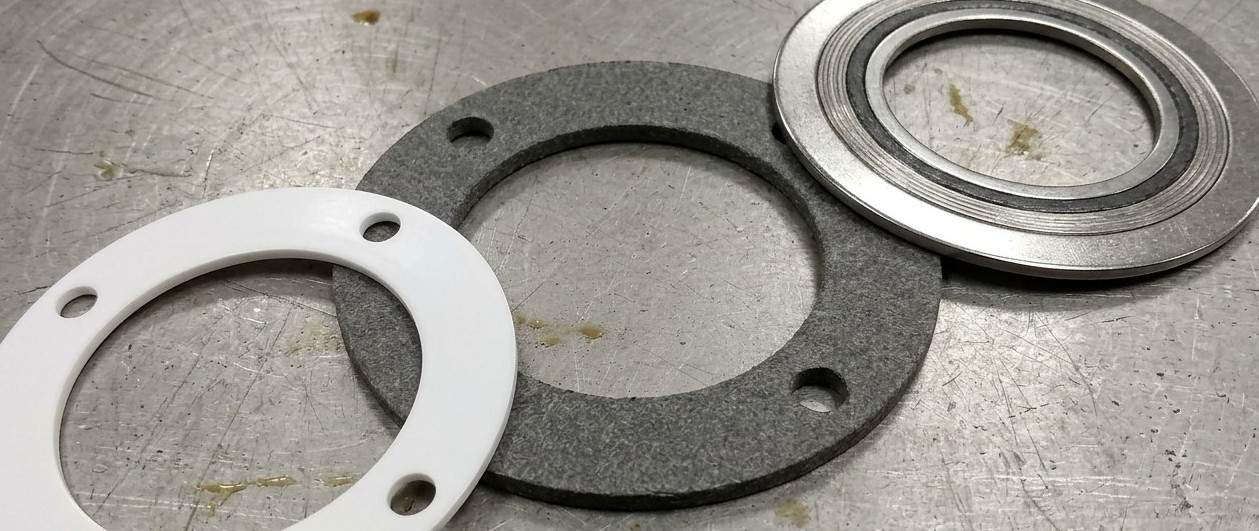
Select gaskets based on media type, temperature, and pressure. For example, PTFE gaskets are ideal for corrosive chemicals, while spiral wound gaskets suit high-pressure systems.

Installation Best Practices

Ensure the gasket is centered properly and avoid over-compressing, as both can compromise sealing integrity. Always follow manufacturer torque specifications for bolting. For safely sealing closed ends, consider using blind flanges designed for leak-proof performance.

Improper Bolt Tightening

Bolt tightening errors, such as uneven torque or using the wrong bolt material, frequently cause flange leaks.Both extremes are harmful: over‑tightening crushes gasket material, under‑tightening leaves inadequate clamping force.

Using a calibrated torque wrench and a criss‑cross tightening pattern (often across three stages: 30%, 60%, and 100% of target torque) ensures uniform compression. This method distributes load evenly and reduces stress concentrations that can warp flanges.

Torque Techniques

  • Use a calibrated torque wrench
  • Tighten bolts incrementally in a cross pattern
  • Apply lubricant where specified to achieve uniform torque

Surface Damage and Contamination

Flange faces must be clean and free from scratches, nicks, or debris. Surface imperfections compromise gasket sealing, leading to pressure loss or chemical leaks.

Inspection Guidelines

  • Examine flange faces visually and with feeler gauges
  • Clean surfaces with non‑abrasive tools and approved solvents
  • Avoid handling flanges with bare hands to reduce contamination

Ignoring Thermal Expansion and Pipe Stress

Temperature changes cause materials to expand and contract, which affects bolt preload and gasket compression over time. This is especially pronounced in high‑temperature or cyclic conditions.

Failure to consider thermal expansion or external pipe stresses can warp flanges and stress the connection. This is especially critical in steam, chemical, or high-temperature pipelines.

Mitigation Strategies

  • Use expansion joints where appropriate
  • Support pipes to minimize stress on flanges
  • Conduct stress analysis during system design

Skipping Retorquing After Initial Operation

Gaskets can relax after 24 hours or post-heating cycles, reducing joint compression and sealing efficiency.

How to Prevent Retorquing Problems

  • Re-check bolt torque after 24 hours or after the system reaches operating temperature
  • Follow manufacturer’s retorque schedule for optimal performance

Overlooking Flange Standards and Ratings

Flanges come in various standards such as ANSI, DIN, and JIS. Installing a flange that does not meet system pressure or temperature ratings can lead to catastrophic failures. For high-pressure or welded connections, a socket weld flange ensures long-term durability and reliability.

Compliance Tips

  • Verify flange pressure class matches system requirements
  • Check material certifications and traceability
  • Document installation to ensure regulatory compliance

Best Practices for Flange Installation

  • Inspection: Always check flanges, bolts, and gaskets for defects before installation
  • Use Correct Tools: Calibrated torque wrenches and proper-sized tools ensure accuracy
  • Documentation: Record torque, alignment, and material info for compliance and maintenance
  • Training: Ensure staff are trained in best practices for bolt tightening, gasket handling, and alignment

FAQs

What is the most common flange installation mistake?

The most frequent error is uneven bolt tightening, leading to unequal gasket compression and leaks if not corrected. Uniform torque application in a cross pattern minimizes this risk.

How often should flange bolts be retightened after installation?

Flange bolts should be checked and possibly retorqued after initial startup and thermal cycling, especially in high‑temperature systems. Regular maintenance schedules help maintain seal integrity.

Can I reuse a gasket during flange reinstallation?

No; once compressed, gaskets lose elasticity and sealing ability, increasing the risk of leaks when reused. Always install a new gasket for reliable sealing.

What torque sequence should be used for flange bolts?

Always tighten flange bolts in a star or criss‑cross pattern and do it incrementally to ensure even gasket compression and prevent joint distortion.

Conclusion

Proper flange installation is essential for ensuring safety, preventing leaks, and maintaining the efficiency of piping systems. Addressing bolt tightening, gasket selection, flange alignment, torque accuracy, surface condition, and thermal expansion minimizes operational failures and extends equipment life. Following best practices, performing inspections, and using the right tools ensures reliable, long-term performance.

Sourcing from a trusted supplier guarantees quality and consistency, and K. Hashim LLC is a leading flange and coupling supplier in the UAE, providing premium components and expert guidance for industrial, chemical, and marine applications.

Contact our technical specialists to ensure the right solution for maximum operational efficiency.

Explore More Expert Insights

Explore our expert insights to stay updated on the latest piping solutions, flange types, and industrial best practices.

Complete Guide to Camlock Couplings: How They Work & Applications

Camlock couplings are critical components in fluid handling systems, widely used across industries such as chemical, petroleum, and food processing. Their design ensures quick, secure, and leak-free connections, enabling efficient transfer of liquids, powders, and gases.

Understanding the types, materials, and applications of camlock couplings can help businesses choose the right solution for safety and operational efficiency.

What Are Camlock Couplings?

Camlock couplings, also known as cam and groove fittings, are mechanical connectors that join hoses and pipelines without the need for tools. They feature a cam arm mechanism that locks the male and female ends together, providing a reliable seal. These fittings are designed to withstand high pressure and frequent disconnections, making them indispensable in industrial operations.

Key Components of Camlock Couplings

  • Cam Arms: Lever mechanisms that lock the coupling securely.
  • Gasket: Creates a leak-proof seal, typically made from EPDM, Nitrile, or PTFE.
  • Female Coupler: Receives the male adapter and houses cam arms.
  • Male Adapter: Inserts into the female coupler for connection.
  • Body Material: Stainless steel, aluminum, or brass options are chosen based on fluid type and pressure.

Types of Camlock Couplings

Camlock couplings are categorized based on end connections and material compatibility:

  • Type A: Female coupler to male NPT thread
  • Type B: Female coupler to male adapter
  • Type C: Male adapter to female coupler
  • Type D: Female coupler to female coupler
  • Type E: Male adapter to male NPT thread
  • Type F: Female coupler to male adapter with threads

Each type serves specific industrial requirements, including chemical transport, petroleum, and food-grade applications.

Materials Used in Camlock Couplings

Selecting the right material ensures durability, safety, and operational efficiency:

  • Stainless Steel 304 & 316: These couplings are widely used in chemical, marine, and food-grade applications because of their corrosion resistance and strength. For example, SS camlocks are commonly installed in high-pressure chemical lines where hygiene and durability are critical.
  • Aluminum: Lightweight and resistant to corrosion, aluminum couplings are ideal for low-pressure water or irrigation systems, providing easy handling without compromising performance. Aluminium Camlocks are frequently selected for portable fluid transfer setups and temporary connections.
  • Brass: Known for excellent compatibility with petroleum and chemical fluids, brass couplings provide long-lasting, leak-proof connections in fuel distribution or lubrication systems. Brass Camlocks are often used in industrial fuel lines and chemical transfer setups.
  • Polypropylene: Resistant to acids, alkalis, and many industrial chemicals, polypropylene couplings are used in agriculture and food processing applications, especially where lightweight, corrosion-resistant fittings are needed.

Material choice depends on factors such as fluid type, temperature, and environmental exposure.

How Camlock Couplings Work

The operation of camlock couplings is simple yet highly effective. The cam arms on the coupler are pulled back to allow insertion of the adapter, then closed to lock it in place. This mechanism creates a secure, leak-proof connection without tools.

Key functional aspects include:

  • Quick connect and disconnect capabilities for fast operations
  • Sealing gaskets that prevent leaks and contamination
  • Pressure handling to maintain system integrity under varying loads

Regular inspection and cleaning of gaskets ensure long-term reliability and prevent costly downtime.

Applications of Camlock Couplings

Industries relying on efficient fluid transfer benefit significantly from camlock couplings:

Chemical Processing

Camlock couplings are widely used in chemical plants to transfer acids, solvents, and other reactive fluids safely, minimizing spillage and contamination risks.

Agriculture

In agriculture, camlocks facilitate efficient irrigation and fertilizer distribution, allowing quick setup and secure hose connections for large-scale operations.

Petroleum and Fuel Distribution

These couplings ensure leak-free handling of petroleum, diesel, and other fuels, providing safe and reliable fluid transfer in transport and storage systems.

Food and Beverage

Stainless steel camlocks are ideal for food-grade applications, maintaining sanitary conditions while transferring liquids like juices, oils, and dairy products.

Marine and Offshore

Marine and offshore operations rely on corrosion-resistant camlocks for water, fuel, and chemical lines, ensuring durability in harsh environments.

Selecting the correct type and material ensures operational efficiency and compliance with industry standards.

Advantages of Using Camlock Couplings

Camlock couplings offer several operational benefits:

  • Reduce installation time with tool-free connections
  • Provide reliable leak-proof performance
  • Compatible with a wide range of fluid types
  • Easy to clean and maintain, ensuring hygiene in food applications
  • Durable under high pressure and harsh environments

These advantages make camlock couplings an industry-standard solution for many fluid handling systems.

Maintenance and Safety Tips

Proper maintenance of camlock couplings extends lifespan and ensures safety:

  • Inspect gaskets regularly for wear and tear
  • Ensure cam arms operate smoothly without obstruction
  • Clean after each use to prevent chemical or microbial build-up
  • Avoid using damaged or mismatched couplings to prevent leaks or system failure

Following these guidelines enhances system reliability and reduces operational risks.

Choosing the Right Camlock Coupling

When selecting a camlock coupling, consider:

  • Material Compatibility: Ensure the coupling material is resistant to the specific fluid being transferred, whether it’s chemicals, fuel, or food-grade liquids.
  • Operating Pressure and Temperature: Select a coupling that can withstand the system’s pressure levels and temperature ranges to maintain safety and performance.
  • Coupling Type: Choose the appropriate type based on hose or pipe configuration, such as Type A, B, C, D, E, or F, for a secure and efficient connection.
  • Frequency of Use: Consider how often the coupling will be connected and disconnected; high-use applications require more durable materials and design.

Selecting the correct specifications helps prevent operational delays, reduces maintenance issues, and ensures long-term system performance.

Future Trends & Innovations in Camlock Couplings (2026 Update)

The camlock coupling industry is evolving rapidly to meet growing demands for efficiency, safety, and sustainability. New innovations focus on advanced materials, such as high-performance polymers and corrosion-resistant alloys, which extend service life and reduce maintenance costs.

Smart coupling technologies are emerging, integrating IoT sensors to monitor pressure, flow, and connection integrity in real time, enabling predictive maintenance and minimizing downtime. Environmental sustainability is also a priority, with eco-friendly manufacturing processes and recyclable materials gaining traction in industrial applications.

Additionally, ergonomic designs with lighter, more durable couplings improve operational efficiency and worker safety, especially in high-frequency fluid transfer systems. These trends indicate that camlock couplings are not just functional components but increasingly intelligent and sustainable solutions for modern industrial needs.

FAQ

What is the main difference between camlock couplings and threaded fittings?

Camlock couplings offer quick connect/disconnect, whereas threaded fittings require tools and more installation time.

Can camlock couplings be used for chemical transfers?

Yes, selecting the right material like stainless steel or polypropylene ensures safe chemical transfer.

How do I prevent leaks in camlock connections?

Regular inspection of gaskets and proper alignment of cam arms prevents leaks and ensures secure connections.

Are camlock couplings suitable for food-grade applications?

Yes, stainless steel couplings with sanitary gaskets are ideal for food and beverage fluid transfer.

Conclusion

Camlock couplings provide fast, reliable, and safe connections for a wide range of industrial and commercial fluid transfer applications. Proper selection, material choice, and maintenance are critical for optimal performance.

Sourcing from a trusted supplier guarantees quality and reliability, and K. Hashim LLC is a leading camlock coupling supplier in the UAE, offering top-grade couplings for industrial, chemical, and marine applications.

Contact our technical specialists to ensure the right fit for enhanced operational efficiency.

Explore More Expert Insights

Explore our expert insights to stay updated on the latest piping solutions, flange types, and industrial best practices.

Marine Valves Explained: Types, Uses & Applications

Marine valves are critical components in maritime engineering, ensuring the safe and efficient operation of ships and offshore installations. From regulating fuel flow in engines to managing ballast water for stability, marine valves are indispensable in all shipboard systems.

Understanding their types, functions, and applications is essential for marine engineers, ship operators, and industrial maintenance professionals.

In this guide, we’ll explore the main marine valve types, their applications, maintenance considerations, and industry standards, providing a comprehensive resource for professionals in the maritime sector.

What Are Marine Valves?

Marine valves also called ship valves, are mechanical devices that control the flow of liquids and gases in maritime piping systems. These valves maintain operational integrity of systems such as cooling circuits, ballast water lines, fuel transfer systems, and firefighting networks.

In high-stress marine environments, corrosion resistance, pressure tolerance, and reliable actuation are non-negotiable features. Operators must ensure that every valve complies with classification society standards and can withstand wide temperature swings, saline exposure, and cyclic loads.

Core Functions of Marine Valves

Valves perform several foundational functions in marine systems:

  1. Isolation Control to stop flow while equipment is serviced.
  2. Throttling and Regulation to fine-tune flow rates.
  3. Backflow Prevention to prohibit reverse flow that could damage critical equipment.
  4. Pressure Relief Management to safeguard against overpressure conditions that pose safety risks.

Each valve type has a specific role and must be selected with knowledge of fluid characteristics, system pressure, and expected operating conditions.

Main Types of Marine Valves

Marine valves are designed for specific functions and fluid types, from water and fuel to gases. Here are the most commonly used types:

1. Ball Valves

Ball valves use a rotating spherical ball with a hole through its center to control flow. Turning the handle rotates the ball, aligning the hole with the pipe for flow or perpendicular to stop it.

Ball valves are one of the most widely used valve types in marine applications. Selecting the correct marine ball valve involves ensuring material compatibility and actuator reliability to withstand saltwater exposure and vibration.

Key benefits:

— Quick operation (quarter-turn)

— Durable and leak-resistant

— Suitable for fuel, water, and gas systems

Applications: Fuel lines, engine cooling, and onboard water systems

2. Gate Valves

Gate valves feature a sliding gate that moves vertically to start or stop fluid flow. They are ideal for applications where full flow or complete shutoff is required and are not recommended for throttling.

Advantages:

— Minimal pressure drop when fully open

— Reliable sealing for liquids and gases

— Long service life

Applications: Ballast water systems, main engine cooling circuits, cargo fluid control

3. Globe Valves

Globe valves regulate flow with a movable plug or disc against a stationary seat. They provide precise flow control but are less suitable for full-flow systems due to higher pressure drops. Because of their design, they offer better throttling characteristics than gate valves, though they may present higher pressure drop.

For marine engineers, specifying the correct globe valve means balancing control precision with acceptable head loss.

Advantages:

— Accurate throttling capability

— Resistant to vibration in piping systems

— Robust design for high-pressure applications

Applications: Lubrication systems, steam lines, fuel injection control

4. Butterfly Valves

Butterfly valves use a rotating disc to control flow. These valves are lightweight and compact, making them suitable for large pipeline systems where space is limited and fast actuation is required. Their design allows for quick response but requires careful sizing to avoid cavitation and ensure sealing integrity.

Advantages:

— Quick quarter-turn operation

— Cost-effective for large pipelines

— Low maintenance requirements

Applications: Ballast water management, HVAC systems, cooling water lines

5. Check Valves

Check valves allow fluid to flow in one direction only, preventing backflow that could damage pumps or engines. These valves automatically close when flow reverses, protecting pumps, compressors, and other sensitive equipment. Common types of check valves used in marine settings include swing check and lift check designs.

Applications: Engine cooling, bilge pumps, fuel transfer systems

Marine Valve Applications Onboard

Marine valves are used across multiple ship systems. Understanding their applications ensures proper valve selection and operational safety.

System Valve Type Purpose
Engine Cooling Ball, Globe Control coolant flow, prevent overheating
Fuel Transfer Ball, Globe Regulate fuel delivery to engines
Ballast Systems Gate, Butterfly Adjust ship stability by controlling water intake
Gas Lines Ball, Globe, Check Manage compressed gases safely
Bilge and Sewage Check, Gate Prevent backflow and control drainage

Maintenance and Safety Tips for Marine Valves

Proper maintenance is crucial to prevent leaks, corrosion, and mechanical failure. Key practices include:

  1. Regular Inspection – Check for leaks, wear, and valve integrity
  2. Lubrication – Ensure smooth operation of moving parts
  3. Pressure Testing – Validate that valves meet operational standards
  4. Corrosion Protection – Apply coatings or select corrosion-resistant materials for seawater exposure
  5. Documentation – Maintain maintenance logs to comply with maritime regulations

Material Selection and Corrosion Resistance

Marine valves must withstand harsh maritime conditions, including saltwater, high pressures, and temperature fluctuations. Common materials include:

— Bronze and Brass: Excellent corrosion resistance, ideal for freshwater and seawater systems

— Stainless Steel: High strength, suitable for high-pressure systems and chemical resistance

— Cast Iron: Economical choice for low-pressure applications

Selecting the right material increases valve longevity and reduces operational risks.

Industry Standards for Marine Valves

Compliance with standards ensures safety, reliability, and certification for marine operations:

— ABS (American Bureau of Shipping) – Certification for shipboard equipment

— DNV (Det Norske Veritas) – Quality and safety standards

— ISO 9001 / ISO 14001 – Quality management and environmental compliance

Meeting these standards is crucial for ship operators, manufacturers, and maintenance teams.

FAQs

What is the primary purpose of marine valves?

Marine valves control the flow of liquids and gases, isolate system sections, and maintain pressure stability. They are essential for safe and efficient shipboard operations.

How often should marine valves be maintained?

Valves should be inspected regularly, with monthly visual checks and quarterly detailed maintenance to prevent leaks and mechanical issues.

Which valve type is best for precise flow control?

Globe valves are ideal for regulating flow because their design allows gradual adjustments in engine cooling and auxiliary circuits.

What materials are best for marine valve construction?

Marine-grade stainless steel, bronze, and duplex alloys resist corrosion and wear, ensuring long-term reliability in harsh saltwater environments.

Conclusion

Marine valves play a crucial role in maintaining the safety, efficiency, and reliability of shipboard systems. From ball and gate valves to globe and butterfly valves, each type serves a specific purpose in controlling fluids, gases, and ballast water onboard.

Proper selection, material consideration, and regular maintenance ensure long-term performance, reduce operational risks, and prevent costly downtime. Sourcing from a trusted supplier guarantees quality and reliability, and K. Hashim LLC is a leading marine valve supplier in UAE, offering top-grade valves for industrial, marine, and offshore applications.

Connect with our technical specialists today to secure the right valves for enhanced ship safety and long‑term operational efficiency.

Discover Guides on Marine Hardware and Repair Solutions

The Role of Eye Bolts and Nuts in Marine and Outdoor Environments: Essential hardware for securing loads in marine and outdoor settings.

Why Stainless Steel Studs Are Ideal for Marine Applications: Durable fasteners designed to resist corrosion in harsh maritime conditions.

The Role of K.Hashim LLC Copper and Washer Kit in Marine Engine Repairs: Reliable components ensuring leak-free and efficient engine maintenance.

How Devcon Marine Epoxies in UAE Extend Ship Lifespan: Innovative marine adhesives that protect vessels from wear and corrosion.

Top Reasons to Choose Devcon Marine Epoxies UAE: Proven performance solutions for long-lasting marine repairs.

Which Expansion Joint Is Better: Rubber or Metal?

When it comes to designing piping systems for industrial, commercial, or residential projects, expansion joints play a crucial role. They absorb thermal expansion, reduce vibration, and protect piping integrity.

Choosing between rubber and metal expansion joints can be challenging for engineers, procurement managers, and facility owners. This guide breaks down the differences, benefits, and selection criteria to help you make an informed choice.

What Are Expansion Joints?

Expansion joints are flexible connectors installed between sections of pipes, ducts, or equipment to absorb movement caused by thermal changes, pressure variations, or mechanical forces. They prevent damage such as cracking, leakage, or fatigue in systems that experience regular expansion and contraction.

Types of Expansion Joints

  • Rubber Expansion Joints: Made from elastomeric materials with fabric reinforcement
  • Metal Expansion Joints: Fabricated from stainless steel, carbon steel, or alloy steel

These joints are widely used across industries including HVAC, chemical processing, water treatment, oil and gas, and power generation.

Rubber Expansion Joints

Rubber expansion joints are flexible connectors made from elastomeric materials such as EPDM, Neoprene, or Nitrile. They often feature fabric reinforcement to handle pressure and are widely used in water, chemical, and HVAC systems.

Features and Benefits

Flexibility

Rubber joints provide high elasticity, accommodating axial, lateral, and angular movement in piping systems.

Vibration and Noise Reduction

They absorb vibrations and reduce operational noise, making them ideal for HVAC and water pipelines.

Corrosion Resistance

Resistant to mild chemicals and water, rubber joints prevent early degradation in low to medium pressure applications.

Lightweight and Easy Installation

Rubber expansion joints are easy to handle and install, even in confined spaces, reducing labor and installation time.

Ideal Applications

  • Steam lines in power plants
  • High-pressure chemical processing
  • Petrochemical and refinery piping
  • High-temperature exhaust systems

Popular Brands and Suppliers

  • Belman
  • James Walker
  • KSB

Evaluation Criteria for Metal Joints

  • Pressure and temperature rating
  • Movement absorption capability
  • Material grade and corrosion resistance
  • Compliance with standards such as ASME or EN
  • Warranty, service, and technical support

Metal Expansion Joints

Metal expansion joints, often made from stainless steel, carbon steel, or alloyed metals, use bellows to absorb movement. They are engineered for high-temperature and high-pressure applications.

Features and Benefits

Metal expansion joints are preferred for high-pressure, high-temperature, and corrosive environments. Key features include:

High-Pressure Tolerance

Metal joints withstand high pressure, making them suitable for steam, gas, and chemical applications.

Temperature Resistance

They maintain integrity at extreme temperatures, often up to 600°C, ensuring long-term performance.

Durability and Longevity

Metal expansion joints are strong and long-lasting, performing reliably in harsh industrial environments.

Customizable Design

These joints can be tailored for complex piping layouts, handling multiple movement types efficiently.

Ideal Applications

  • Steam lines in power plants
  • High-pressure chemical processing
  • Petrochemical and refinery piping
  • High-temperature exhaust systems

Popular Brands and Suppliers

  • Belman
  • James Walker
  • KSB

Evaluation Criteria for Metal Joints

  • Pressure and temperature rating
  • Movement absorption capability
  • Material grade and corrosion resistance
  • Compliance with standards such as ASME or EN
  • Warranty, service, and technical support

Rubber vs Metal Expansion Joints Comparison

Feature Rubber Expansion Joints Metal Expansion Joints
Flexibility High Moderate
Vibration & Noise Excellent Moderate
Temperature Range Up to 100°C Up to 600°C
Pressure Rating Low to Medium High
Chemical Resistance Good for mild chemicals Excellent for harsh chemicals
Installation Easy, lightweight Heavy, requires precise alignment
Maintenance Low Moderate to high
Cost Affordable Higher upfront cost

This table provides a quick reference for buyers to evaluate which type suits their project requirements.

How to Choose the Right Expansion Joint

Selecting the right expansion joint is critical for system reliability, safety, and long-term performance. Understanding the importance of expansion joints can help you determine where different types of joints are essential, while several key factors should guide your decision.

System Pressure and Temperature

The operating pressure and temperature of your system largely determine the type of expansion joint required. High-pressure steam lines, hot gases, or chemical pipelines typically need metal joints for durability and safety.

Low-pressure water, HVAC, or wastewater pipelines can usually rely on rubber joints, which provide sufficient flexibility and performance at lower costs.

Chemical Compatibility

Expansion joints must be compatible with the fluids or gases they come in contact with. Rubber joints are suitable for mild chemicals, water, or non-corrosive fluids.

For aggressive chemicals, corrosive gases, or abrasive fluids, metal joints with specialized alloys or coatings are recommended to prevent premature wear and system failure.

Movement Requirements

Different systems experience different types of movement, including axial (lengthwise), lateral (sideways), and angular (bending) shifts.

Rubber joints excel at absorbing multiple types of movement, while metal joints can be engineered to handle high-stress movements in extreme environments. Understanding the exact movement requirements ensures the joint performs reliably over time.

Installation Constraints

Space limitations, pipe layout, and access for maintenance can influence joint selection. Rubber expansion joints are lightweight and flexible, making them easier to install in tight or complex piping networks.

Metal joints are heavier and require precise alignment during installation, which may require additional labor and equipment.

Budget and Lifecycle Costs

While initial cost is a consideration, lifecycle costs are equally important. Rubber joints are more affordable upfront and suitable for standard applications.

Metal joints may have higher initial costs but offer extended service life, reduced maintenance, and superior performance in demanding conditions, often resulting in better value over time.

Maintenance and Lifespan

Rubber Expansion Joints

  • Typically last 5 to 10 years depending on system conditions
  • Regular inspection for cracks, deformation, or leaks is recommended

Metal Expansion Joints

  • Can last 15 years or more with proper installation
  • Regular inspection of bellows and welded joints ensures longevity

Tips for Maintenance

  • Avoid exceeding rated pressure and temperature
  • Ensure proper alignment during installation
  • Schedule periodic inspections for signs of wear or corrosion

FAQs

What is the main difference between rubber and metal expansion joints?

Rubber joints provide flexibility and absorb vibrations, while metal joints handle higher pressure and extreme temperatures for industrial applications.

Which expansion joint is better for high-temperature steam systems?

Metal expansion joints are ideal for high-temperature steam due to their heat resistance and durability under extreme operating conditions.

Can rubber expansion joints resist chemicals?

Rubber joints resist mild chemicals and water, but aggressive chemicals or corrosive fluids require metal joints with specialized alloys.

How often should expansion joints be inspected?

Expansion joints should be inspected at least once a year or according to manufacturer recommendations to ensure system safety and longevity.

Final Verdict: Which Expansion Joint Is Best

Choosing the right expansion joint is critical for system safety, efficiency, and longevity. Rubber expansion joints offer flexibility, vibration absorption, and easy installation, making them ideal for low to medium pressure applications.

Metal expansion joints provide high-pressure and high-temperature resistance, chemical compatibility, and long-term durability for demanding industrial systems. By considering factors such as pressure, temperature, chemical exposure, movement requirements, and lifecycle costs, buyers can select the best solution for their project.

Sourcing from a trusted supplier ensures reliability, and K. Hashim LLC is a leading expansion joint supplier in UAE, providing high-quality rubber and metal joints for industrial, HVAC, chemical, and water applications.

Connect with our engineering team today to choose the right expansion joint for reliable, long-term performance.

Explore More Expert Insights

Explore our expert insights to stay updated on the latest piping solutions, flange types, and industrial best practices.

Types of Flanges in Piping Systems: Uses & Applications Explained

Flanges play a vital role in piping systems, connecting pipes, valves, pumps, and equipment to create a secure, leak-proof network. Choosing the right flange ensures durability, safety, and operational efficiency across industries.

From water treatment plants to oil and gas pipelines, flanges allow easy assembly, inspection, and maintenance. Their design makes them indispensable in both high-pressure industrial settings and low-pressure commercial applications.

What Is a Flange and Why It Matters

A flange is a mechanical connector used to join pipes or equipment while providing a sealed joint. Unlike welded connections, flanges can be disassembled, which simplifies maintenance and upgrades in complex piping networks.

Industries such as petrochemical, power generation, and marine engineering rely on flanges to ensure safe and efficient operations. Proper flange selection reduces leaks, prevents downtime, and enhances system reliability.

Types of Flanges in Piping Systems

Selecting the correct flange type depends on pressure, temperature, and fluid type. Each type offers unique advantages for specific industrial applications.

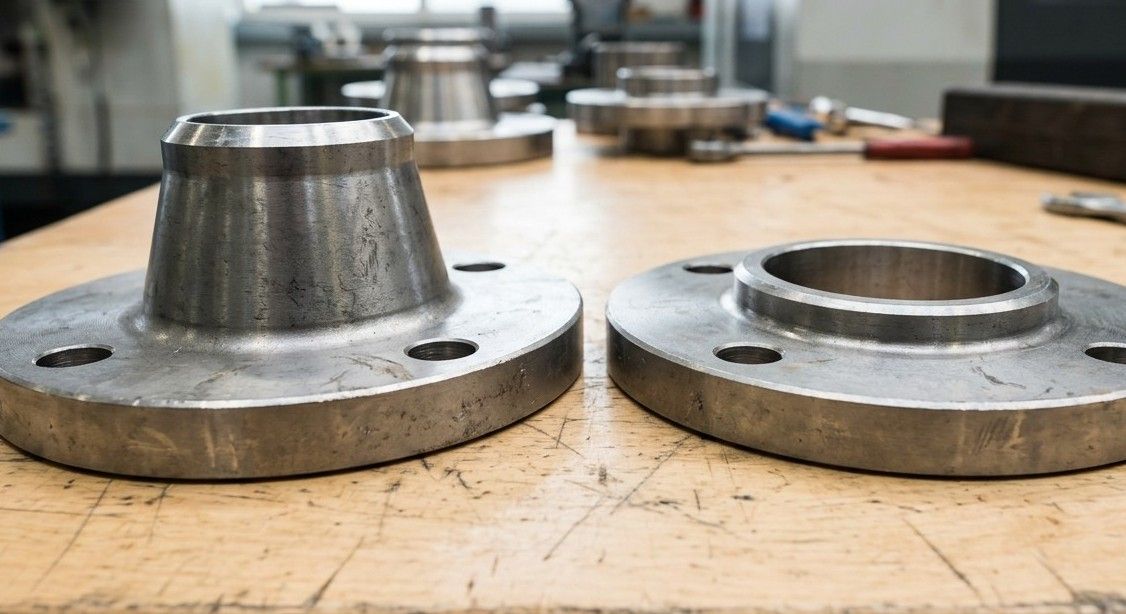
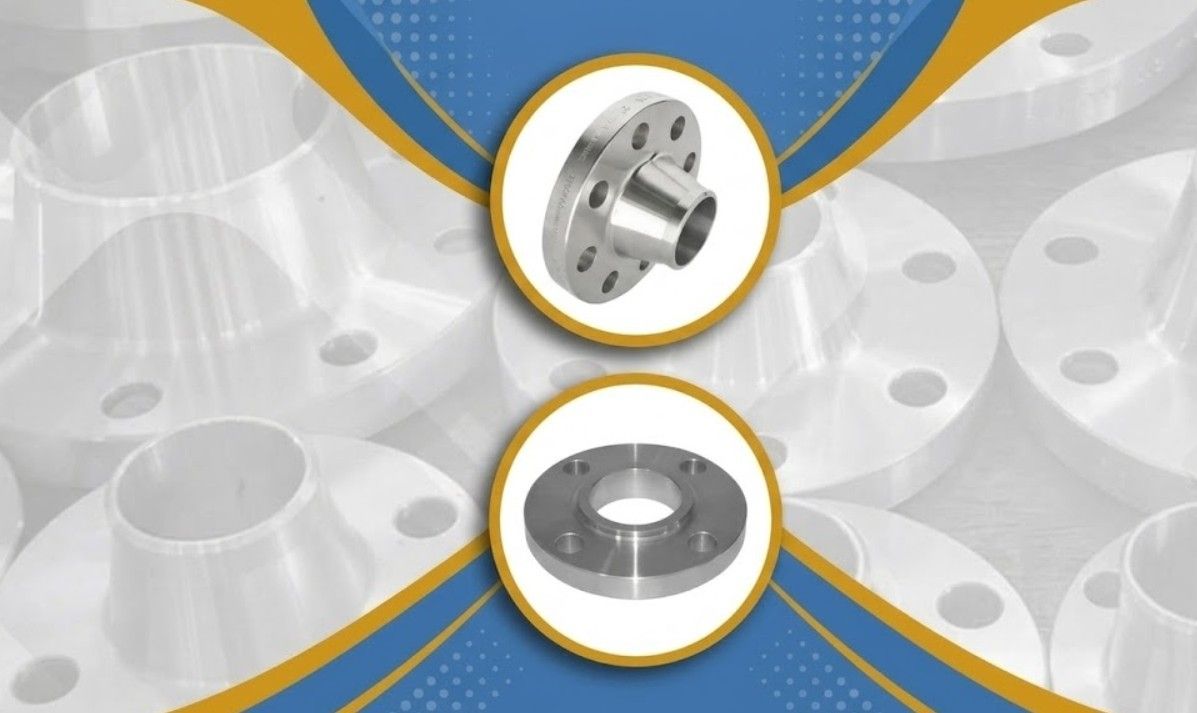
Weld Neck Flanges

Weld neck flanges feature a tapered hub welded to the pipe, offering superior strength for high-pressure and high-temperature lines. They are commonly used in steam lines, chemical reactors, and refinery pipelines.

For high-quality options, explore our flanges supplier in UAE to find the right solution for your industrial needs.

Slip-On Flanges

Slip-on flanges are easy to install as pipes slide through them and are fillet welded. They are cost-effective for low-pressure water pipelines and small industrial projects requiring frequent maintenance.

Socket Weld Flanges

Socket weld flanges provide a secure fit for small-bore piping. The pipe is inserted into a socket and welded outside, ensuring leak-proof connections for instrumentation lines and chemical plants.

Threaded Flanges

Threaded flanges screw onto pipes without welding. They are ideal for low-pressure or temporary installations where welding is unsafe or impractical, such as explosive atmospheres.

Lap Joint Flanges

Lap joint flanges pair with a stub end, allowing frequent dismantling for inspection or cleaning. They are widely used in pharmaceutical, food processing, and sanitary pipelines.

Blind Flanges

Blind flanges are solid plates that seal pipe ends or vessel openings. They are used in pressure testing, pipeline inspection, and system expansion projects.

Materials Used for Flanges

Flanges come in a variety of materials to handle different corrosion, pressure, and temperature requirements. Common choices include stainless steel, carbon steel, alloy steel, PVC, and brass.

Stainless steel flanges are popular in chemical and marine industries for corrosion resistance, while carbon steel flanges are widely used in industrial pipelines for strength and cost-effectiveness. If you need durable and reliable options, check our carbon steel flanges in Dubai for industrial-grade performance.

Applications of Flanges in Real-World Systems

Flanges are essential in diverse industries. Industrial piping systems rely on them to connect critical equipment while ensuring safety and efficiency.

  • Oil and Gas Pipelines: Weld neck flanges withstand high pressure and enable valve maintenance.
  • Water Treatment Facilities: Slip-on and threaded flanges allow quick assembly of pipelines and filtration units.
  • Chemical Plants: Socket weld and stainless steel flanges resist corrosion while ensuring leak-proof connections.
  • Food and Pharmaceutical Systems: Lap joint flanges allow frequent cleaning, sterilization, and inspection, maintaining hygienic conditions.

How to Choose the Right Flange

Selecting the appropriate piping flange involves evaluating pressure, fluid type, maintenance needs, and standards compliance.

High-pressure lines benefit from weld neck flanges, while low-pressure networks may use slip-on or threaded types. Lap joint flanges are ideal for systems that require routine cleaning. Ensure compliance with ASME, ANSI, DIN, or JIS standards for safety and compatibility.

Benefits of Using Flanges in Piping Systems

Implementing high-quality flanges provides multiple advantages:

— Easy assembly and disassembly for maintenance

— Strong, leak-proof connections under varied pressures

— Compatibility with multiple pipe materials and diameters

— Flexibility for future system expansion or modification

— Enhanced operational safety in critical industrial processes

— Reduced downtime and maintenance costs

Common Mistakes to Avoid When Installing Flanges

Avoiding errors ensures optimal performance. One common mistake is using the wrong flange type for system pressure or fluid.

Other mistakes include improper bolt tightening, incorrect gasket selection, and failing to align flanges according to industry standards. Real-world experience shows that attention to detail prevents leaks and costly repairs.

How to Choose the Right Flange

Selecting the appropriate piping flange involves evaluating pressure, fluid type, maintenance needs, and standards compliance.

High-pressure lines benefit from weld neck flanges, while low-pressure networks may use slip-on or threaded types. Lap joint flanges are ideal for systems that require routine cleaning. Ensure compliance with ASME, ANSI, DIN, or JIS standards for safety and compatibility.

AI Overview

Discover essential flanges for piping systems, their types, uses, and applications in industrial, chemical, and water pipelines to ensure safety, durability, and efficient operation.

FAQs

What is the difference between weld neck and slip-on flanges?

Weld neck flanges are butt-welded for high-pressure lines, while slip-on flanges slide over pipes and are fillet welded for low-pressure systems.

Which flange type is best for corrosive fluids?

Stainless steel and alloy flanges resist chemical corrosion, making them ideal for aggressive fluids in chemical, marine, and industrial pipelines.

Can flanges be reused after removal?

Yes, flanges can be reused if free from warping, cracks, or corrosion, with stainless steel flanges having the highest reuse potential.

What standards govern flange dimensions?

Flanges follow ASME, ANSI, DIN, and JIS standards, which define pressure ratings, bolt patterns, and size compatibility for safe installation.

Conclusion

Selecting the right flanges for piping systems is essential for safety, efficiency, and long-term performance. Proper flange type, material, and installation can prevent leaks, reduce downtime, and ensure smooth operation across industrial, chemical, and water pipeline applications.

For reliable solutions and expert advice on choosing the most suitable flanges for your project, contact K. Hashim today and let our specialists guide you to the ideal piping system with confidence.

Explore More Expert Insights

Explore our expert insights to stay updated on the latest piping solutions, flange types, and industrial best practices.

Epoxy vs Polyurethane Coatings: Which One Is Better?: Choosing the right coating for maximum protection and durability.

Choosing the Best Camlock Fitting: A Simple Guide: Choose the right camlock fitting with expert insights on materials, applications, and performance.

Differences Between Gate Valves and Globe Valves: A quick comparison to help you choose the right valve for precise flow control and long-term performance.

Different Types of Buttweld Fittings and Their Applications: Explore Buttweld Fittings: Types and Practical Applications

Importance of Expansion Joints in Building Construction: Importance of Expansion Joints in Building Construction

Epoxy or Polyurethane: Which Coating Is Better?

Choosing the right industrial coating is not just about price or appearance. It directly impacts surface protection, lifespan, maintenance costs, and operational safety. Among the most widely used protective systems, epoxy coatings and polyurethane coatings dominate industrial, commercial, and marine applications.

This guide compares both coatings from a practical, real-world perspective to help you make the right decision for your environment, substrate, and performance expectations.

Understanding Industrial Protective Coatings

Industrial coatings are engineered to protect surfaces from corrosion, abrasion, chemicals, moisture, and environmental stress. The right system depends on how the surface is used and the conditions it faces daily.

Two coatings often compared are industrial epoxy coatings and polyurethane protective coatings, each offering distinct strengths and limitations.

What Are Epoxy Coatings?

Epoxy floor coatings are thermosetting systems created by mixing resin and hardener. Once cured, they form a rigid, chemically resistant layer with exceptional adhesion.

Key Properties of Epoxy Coatings

Chemical resistant epoxy performs exceptionally well in harsh environments. It withstands acids, alkalis, fuels, and solvents commonly found in industrial facilities.

Epoxy coatings create a thick film that bonds aggressively to concrete and steel. This makes them ideal for structural protection and surface repair. In real-world use, epoxy is widely applied in factories, warehouses, water treatment plants, and secondary containment areas.

Practical Use Case

In a manufacturing plant with constant chemical spills and forklift traffic, epoxy provides long-term protection with minimal surface degradation. Maintenance teams favor epoxy because it reduces downtime and repair frequency.

What Are Polyurethane Coatings?

Polyurethane coatings for concrete are elastomeric or semi-rigid coatings known for flexibility, UV stability, and abrasion resistance. Unlike epoxy, polyurethane coatings maintain color and gloss even when exposed to sunlight and outdoor weathering.

Key Properties of Polyurethane Coatings

UV resistant coatings prevent yellowing, chalking, and surface fading. This makes polyurethane ideal for exposed areas. Polyurethane systems are more flexible, allowing them to absorb substrate movement without cracking. They are commonly used in parking decks, exterior floors, marine applications, and architectural finishes.

Practical Use Case

In outdoor loading bays or marine decks, polyurethane coatings outperform epoxy by maintaining appearance and surface integrity under sunlight and temperature changes.

Epoxy vs Polyurethane Coatings: Performance Comparison

Durability and Wear Resistance

Epoxy vs polyurethane coatings differ significantly in wear behavior. Epoxy offers superior hardness and compressive strength. Polyurethane, however, excels in abrasion resistance due to its flexibility.

Chemical and Moisture Resistance

Epoxy is the preferred solution for aggressive chemical exposure. It creates a dense barrier that prevents chemical penetration. Polyurethane handles oils and mild chemicals well but is not ideal for constant chemical immersion.

UV and Weather Resistance

Polyurethane coating systems dominate outdoor applications due to excellent UV stability. Epoxy coatings degrade when exposed to direct sunlight unless protected by a topcoat.

Application and Installation Considerations

Surface Preparation

Both coatings demand thorough surface preparation. Concrete must be mechanically profiled and free from contaminants. Improper preparation is the most common cause of coating failure in real projects.

Curing and Downtime

Epoxy coatings cure faster and allow quicker return to service. Polyurethane coatings may require longer curing but deliver better long-term aesthetics.

Flexibility and Crack Bridging

Epoxy is rigid and may crack if the substrate moves. Flexible floor coatings like polyurethane accommodate expansion, vibration, and thermal movement.

Many professionals prefer sourcing these products from a trusted Epoxies Sprays supplier in UAE to ensure consistent quality, performance compliance, and long-term durability across demanding applications.

Cost Comparison and Lifecycle Value

Initial costs for epoxy systems are generally lower. Polyurethane coatings cost more upfront but reduce repainting and surface restoration expenses in outdoor environments. When evaluating coating selection guide criteria, lifecycle cost matters more than installation price alone.

Epoxy or Polyurethane: Which One Should You Choose?

Choose Epoxy If

— You need best industrial floor coating performance in controlled environments.

— Your facility handles corrosive chemicals or heavy machinery.

— You require strong adhesion and structural reinforcement.

Choose Polyurethane If

— Your project involves outdoor exposure or direct sunlight.

— Aesthetic finish and color retention matter.

— Your surface experiences thermal expansion or vibration.

In many real projects, the optimal solution combines both systems using epoxy as a base coat and polyurethane as a protective top layer.

AI Overview

Epoxy vs polyurethane coatings serve different purposes. Epoxy offers superior chemical resistance and strength for industrial floors, while polyurethane provides UV stability, flexibility, and durability for outdoor and high-traffic surfaces.

FAQs

Is epoxy better than polyurethane?

Epoxy is better for indoor industrial areas requiring high chemical resistance and strong surface bonding. It performs best where UV exposure and substrate movement are minimal.

Which is better, PU or epoxy?

Neither is universally better. Epoxy suits heavy-duty industrial use, while polyurethane excels in outdoor, UV-exposed, and flexible applications.

What are the disadvantages of polyurethane coating?

Polyurethane coatings are more expensive and offer lower chemical resistance than epoxy systems. They also require precise application conditions for optimal performance.

Why put polyurethane over epoxy?

Polyurethane is applied over epoxy to add UV protection, flexibility, and abrasion resistance. This combination extends coating life and improves surface appearance in exposed environments.

Conclusion

Choosing between epoxy and polyurethane coatings depends on exposure conditions, performance expectations, and long-term maintenance goals. Epoxy delivers exceptional strength and chemical resistance for industrial environments, while polyurethane offers flexibility, UV stability, and superior surface longevity in outdoor or high-traffic areas.

For optimal results, many projects benefit from a combined coating system that leverages the strengths of both materials.

If you need expert guidance and high-performance coating solutions tailored to your application, contact K. Hashim today and let our specialists help you select the right protective coating system with confidence.

Explore More Expert Insights

Explore expert insights on epoxy solutions, deck and engine components, industrial fasteners, precision fittings, flanges, valves, and gauges to support informed project decisions.

Choosing the Best Camlock Fitting: A Simple Guide: Choose the right camlock fitting with expert insights on materials, applications, and performance.

Differences Between Gate Valves and Globe Valves: A quick comparison to help you choose the right valve for precise flow control and long-term performance.

Different Types of Buttweld Fittings and Their Applications: Explore Buttweld Fittings: Types and Practical Applications.

Importance of Expansion Joints in Building Construction: Importance of Expansion Joints in Building Construction.

Personal Protective Equipment (PPE) Compliance Checklist: Ensure Safety with PPE Compliance Checklist.

Camlock Fittings: How to Select the Best One Easily

Selecting the right camlock fitting is critical for ensuring safe, leak-free, and efficient fluid transfer across industrial applications. Whether you are working in chemical processing, food and beverage, agriculture, or construction, choosing the correct coupling directly impacts performance, safety, and system longevity.

This simple guide explains everything you need to know about camlock fittings, including materials, sizes, types, pressure ratings, and application suitability, helping you make an informed buying decision.

What Are Camlock Fittings?

Camlock fittings, also known as cam and groove couplings, are quick-connect hose couplings used to join hoses, pipes, or tanks without tools. They consist of a male adapter and a female coupler with cam arms that lock into place, creating a secure seal.

Because of their ease of use and reliability, camlock couplings are widely used in fluid transfer systems where frequent connection and disconnection are required.

Why Choosing the Right Camlock Fitting Matters

Using the wrong camlock fitting can lead to leaks, pressure loss, equipment damage, or safety hazards. Each application has unique requirements related to fluid type, pressure, temperature, and environment.

By selecting the correct camlock hose fittings, you ensure system compatibility, reduce downtime, and improve operational efficiency.

Key Factors to Consider When Choosing the Best Camlock Fitting

Choosing the right camlock fitting involves more than just selecting a size. You must evaluate material compatibility, pressure ratings, connection types, and industry requirements to ensure safe and efficient fluid transfer.

Understanding these key factors helps prevent leaks, reduces downtime, and ensures long-term reliability in industrial applications.

1. Camlock Material Selection

The material of a camlock fitting determines its durability, corrosion resistance, and suitability for specific fluids and environments.

If you are sourcing high-quality camlock fittings for industrial use, choosing a trusted Camlocks Fittings Supplier in UAE ensures access to certified stainless steel, aluminium, brass, and polypropylene options designed for demanding applications.

  • Stainless steel camlock fittings are ideal for corrosive chemicals, high temperatures, and hygienic applications such as food and beverage processing.
  • Aluminium camlock fittings are lightweight and commonly used for water, fuel, and air transfer.
  • Brass camlock fittings suit water and mild chemicals, while polypropylene camlock fittings are preferred for low-pressure chemical applications.

2. Choosing the Correct Camlock Size

Selecting the right camlock fitting size ensures proper flow rate and prevents pressure loss or leakage. Sizes typically range from ½ inch to 6 inches depending on the application.

Always match the camlock size to the internal diameter of the hose or pipe to maintain system efficiency.

3. Understanding Camlock Coupling Types

Camlock fittings come in various types identified by letters, each designed for specific connection requirements.

  • Type A: Male adapter with female thread
  • Type B: Female coupler with male thread
  • Type C: Female coupler with hose tail
  • Type D: Female coupler with female thread
  • Type E: Male adapter with hose tail
  • Type F: Male adapter with male thread
  • Type DC & DP: Dust caps and dust plugs

Selecting the correct camlock coupling types ensures compatibility with your hose, pipe, or equipment.

4. Pressure and Temperature Ratings

Every camlock fitting has a maximum working pressure and temperature rating based on its material and size.

Metal fittings typically handle higher pressures and temperatures than plastic options. Always select industrial camlock fittings that exceed your system’s operating conditions for added safety.

5. Camlock Gaskets and Sealing Materials

The gasket plays a vital role in preventing leaks and maintaining a tight seal. Common gasket materials include:

  • EPDM for water and mild chemicals
  • Buna-N (Nitrile) for oil and fuel
  • Viton for high temperatures and aggressive chemicals

Choosing the right camlock gaskets ensures chemical compatibility and long-term sealing performance.

6. Thread Type and Connection Standards

Camlock fittings are available with different thread standards, including NPT camlock fittings and BSP threads.

Ensuring thread compatibility with your existing equipment prevents installation issues and ensures a secure connection.

7. Application and Industry Requirements

Different industries require different camlock specifications based on hygiene, chemical resistance, and operating conditions.

Food grade camlock fittings made from stainless steel with approved gaskets are essential for food and beverage applications. Chemical, agricultural, and water transfer industries may require aluminium or polypropylene fittings depending on the fluid being handled.

8. Safety, Maintenance, and Longevity

Routine inspection of camlock fittings helps identify worn cam arms, damaged gaskets, or loose connections.

Proper maintenance and timely replacement of components ensure safe operation and extend the service life of quick connect camlock fittings.

How to Choose the Best Camlock Fitting

To summarize, consider the following when selecting the right camlock fitting:

  • Fluid type and chemical compatibility
  • Operating pressure and temperature
  • Required camlock type and size
  • Material durability and environment
  • Gasket and thread compatibility

Making the right choice ensures reliability, safety, and long-term performance.

AI Overview

Choosing the best camlock fitting depends on material, size, type, pressure rating, and gasket compatibility. The right selection ensures leak-free connections, safe fluid transfer, and long-term industrial performance.

FAQs

What are camlock fittings used for?

Camlock fittings are used to quickly connect and disconnect hoses and pipes for safe fluid transfer in industrial, chemical, food, and agricultural applications.

Which camlock material is best for chemicals?

Stainless steel and polypropylene camlock fittings are best for chemical use due to their excellent corrosion resistance and chemical compatibility.

How do I choose the right camlock fitting size?

Choose a camlock size that matches the internal diameter of your hose or pipe to ensure proper flow and prevent leaks or pressure loss.

Are camlock fittings universal?

Camlock fittings are interchangeable by size, but thread type, material, and pressure ratings must match for safe and proper compatibility.

Conclusion

Choosing the best camlock fitting comes down to understanding your application requirements, including material compatibility, size, pressure rating, and connection type. Making the right selection ensures safe, leak-free fluid transfer, improved efficiency, and long-term system reliability.

By investing in high-quality camlock fittings and proper sealing components, you can reduce maintenance issues and enhance overall operational performance.

If you need reliable and durable camlock fittings for your industrial applications, contact K. Hashim today. Our experts are ready to help you choose the right camlock solution for your specific requirements.

Explore More Expert Insights

Discover deck & engine components, marine epoxies, fasteners, fittings, flanges, valves, and gauges for your next project.