
- Abrasives & Drilling
- Buttweld Fittings
- Camlock Couplings and Fittings
- Clamps & Couplings
- Deck & Engine Store Supplies
- Fasteners & Hardware
- Fittings & Flanges
- Gaskets
- High-Pressure Pipe Fittings
- Hoses
- Industrial Epoxies & Spray Coatings
- Industrial Fasteners – Bolts, Nuts & Screws
- Industrial Gaskets & Sealing Products
- Lifting & Rigging
- Marine
- Marine Valves & Flow Control Solutions
- Oilfield & Industrial Supplies
- Packing & Industrial Materials
- Pipe Couplings & Expansion Joints
- PPE & Chemicals
- Safety
- Safety Items & Personal Protective Equipment
- Steel Flanges for Piping Systems
- Tools
- Valves
- Industrial Area 1, Sharjah, UAE
- sales@khashim.com
- info@khashim.com
- +971 6 533 8006
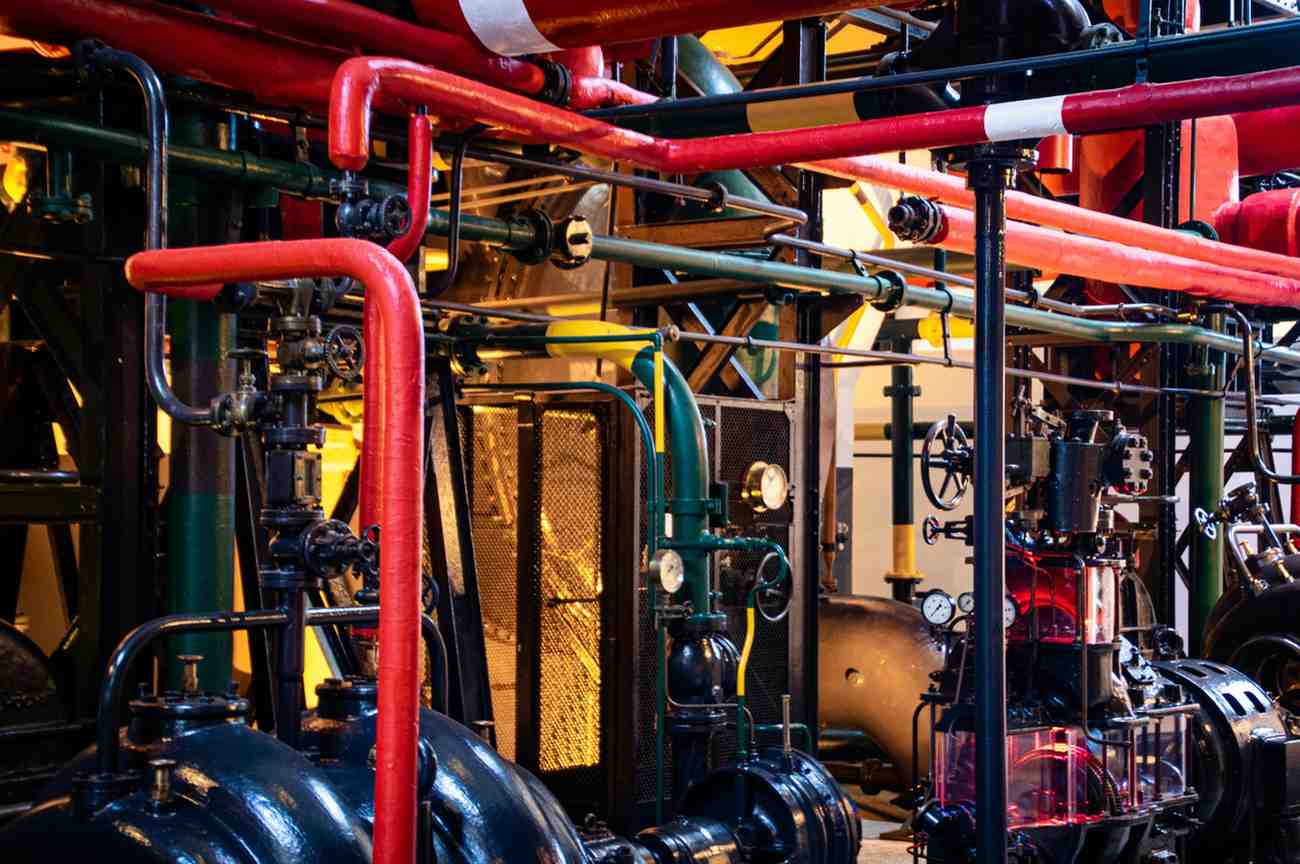
Types of Flanges in Piping Systems: Uses & Applications Explained
Flanges play a vital role in piping systems, connecting pipes, valves, pumps, and equipment to create a secure, leak-proof network. Choosing the right flange ensures durability, safety, and operational efficiency across industries.
From water treatment plants to oil and gas pipelines, flanges allow easy assembly, inspection, and maintenance. Their design makes them indispensable in both high-pressure industrial settings and low-pressure commercial applications.
What Is a Flange and Why It Matters
A flange is a mechanical connector used to join pipes or equipment while providing a sealed joint. Unlike welded connections, flanges can be disassembled, which simplifies maintenance and upgrades in complex piping networks.
Industries such as petrochemical, power generation, and marine engineering rely on flanges to ensure safe and efficient operations. Proper flange selection reduces leaks, prevents downtime, and enhances system reliability.
Types of Flanges in Piping Systems
Selecting the correct flange type depends on pressure, temperature, and fluid type. Each type offers unique advantages for specific industrial applications.
Weld Neck Flanges
Weld neck flanges feature a tapered hub welded to the pipe, offering superior strength for high-pressure and high-temperature lines. They are commonly used in steam lines, chemical reactors, and refinery pipelines.
For high-quality options, explore our flanges supplier in UAE to find the right solution for your industrial needs.
Slip-On Flanges
Slip-on flanges are easy to install as pipes slide through them and are fillet welded. They are cost-effective for low-pressure water pipelines and small industrial projects requiring frequent maintenance.
Socket Weld Flanges
Socket weld flanges provide a secure fit for small-bore piping. The pipe is inserted into a socket and welded outside, ensuring leak-proof connections for instrumentation lines and chemical plants.
Threaded Flanges
Threaded flanges screw onto pipes without welding. They are ideal for low-pressure or temporary installations where welding is unsafe or impractical, such as explosive atmospheres.
Lap Joint Flanges
Lap joint flanges pair with a stub end, allowing frequent dismantling for inspection or cleaning. They are widely used in pharmaceutical, food processing, and sanitary pipelines.
Blind Flanges
Blind flanges are solid plates that seal pipe ends or vessel openings. They are used in pressure testing, pipeline inspection, and system expansion projects.
Materials Used for Flanges
Flanges come in a variety of materials to handle different corrosion, pressure, and temperature requirements. Common choices include stainless steel, carbon steel, alloy steel, PVC, and brass.
Stainless steel flanges are popular in chemical and marine industries for corrosion resistance, while carbon steel flanges are widely used in industrial pipelines for strength and cost-effectiveness. If you need durable and reliable options, check our carbon steel flanges in Dubai for industrial-grade performance.
Applications of Flanges in Real-World Systems
Flanges are essential in diverse industries. Industrial piping systems rely on them to connect critical equipment while ensuring safety and efficiency.
- Oil and Gas Pipelines: Weld neck flanges withstand high pressure and enable valve maintenance.
- Water Treatment Facilities: Slip-on and threaded flanges allow quick assembly of pipelines and filtration units.
- Chemical Plants: Socket weld and stainless steel flanges resist corrosion while ensuring leak-proof connections.
- Food and Pharmaceutical Systems: Lap joint flanges allow frequent cleaning, sterilization, and inspection, maintaining hygienic conditions.
How to Choose the Right Flange
Selecting the appropriate piping flange involves evaluating pressure, fluid type, maintenance needs, and standards compliance.
High-pressure lines benefit from weld neck flanges, while low-pressure networks may use slip-on or threaded types. Lap joint flanges are ideal for systems that require routine cleaning. Ensure compliance with ASME, ANSI, DIN, or JIS standards for safety and compatibility.
Benefits of Using Flanges in Piping Systems
Implementing high-quality flanges provides multiple advantages:
— Easy assembly and disassembly for maintenance
— Strong, leak-proof connections under varied pressures
— Compatibility with multiple pipe materials and diameters
— Flexibility for future system expansion or modification
— Enhanced operational safety in critical industrial processes
— Reduced downtime and maintenance costs
Common Mistakes to Avoid When Installing Flanges
Avoiding errors ensures optimal performance. One common mistake is using the wrong flange type for system pressure or fluid.
Other mistakes include improper bolt tightening, incorrect gasket selection, and failing to align flanges according to industry standards. Real-world experience shows that attention to detail prevents leaks and costly repairs.
How to Choose the Right Flange
Selecting the appropriate piping flange involves evaluating pressure, fluid type, maintenance needs, and standards compliance.
High-pressure lines benefit from weld neck flanges, while low-pressure networks may use slip-on or threaded types. Lap joint flanges are ideal for systems that require routine cleaning. Ensure compliance with ASME, ANSI, DIN, or JIS standards for safety and compatibility.
AI Overview
Discover essential flanges for piping systems, their types, uses, and applications in industrial, chemical, and water pipelines to ensure safety, durability, and efficient operation.
FAQs
What is the difference between weld neck and slip-on flanges?
Weld neck flanges are butt-welded for high-pressure lines, while slip-on flanges slide over pipes and are fillet welded for low-pressure systems.
Which flange type is best for corrosive fluids?
Stainless steel and alloy flanges resist chemical corrosion, making them ideal for aggressive fluids in chemical, marine, and industrial pipelines.
Can flanges be reused after removal?
Yes, flanges can be reused if free from warping, cracks, or corrosion, with stainless steel flanges having the highest reuse potential.
What standards govern flange dimensions?
Flanges follow ASME, ANSI, DIN, and JIS standards, which define pressure ratings, bolt patterns, and size compatibility for safe installation.
Conclusion
Selecting the right flanges for piping systems is essential for safety, efficiency, and long-term performance. Proper flange type, material, and installation can prevent leaks, reduce downtime, and ensure smooth operation across industrial, chemical, and water pipeline applications.
For reliable solutions and expert advice on choosing the most suitable flanges for your project, contact K. Hashim today and let our specialists guide you to the ideal piping system with confidence.
Explore More Expert Insights
Explore our expert insights to stay updated on the latest piping solutions, flange types, and industrial best practices.
— Epoxy vs Polyurethane Coatings: Which One Is Better?: Choosing the right coating for maximum protection and durability.
— Choosing the Best Camlock Fitting: A Simple Guide: Choose the right camlock fitting with expert insights on materials, applications, and performance.
— Differences Between Gate Valves and Globe Valves: A quick comparison to help you choose the right valve for precise flow control and long-term performance.
— Different Types of Buttweld Fittings and Their Applications: Explore Buttweld Fittings: Types and Practical Applications
— Importance of Expansion Joints in Building Construction: Importance of Expansion Joints in Building Construction
Popular Posts

April 4, 2024

April 22, 2024


May 28, 2024