Differences Between Gate Valves and Globe Valves

Valves are critical components in industrial fluid systems, ensuring proper flow control, system safety, and operational efficiency. Among the many types of valves, gate valves and globe valves are commonly used but serve different purposes.

Understanding the differences between gate valves and globe valves is essential for engineers, operators, and maintenance professionals to make informed choices that maximize performance and reduce operational costs.

In this article, we’ll explore the structure, working mechanisms, features, applications, and selection criteria for both valve types, helping you choose the right valve for your system.

1. Overview of Gate Valves

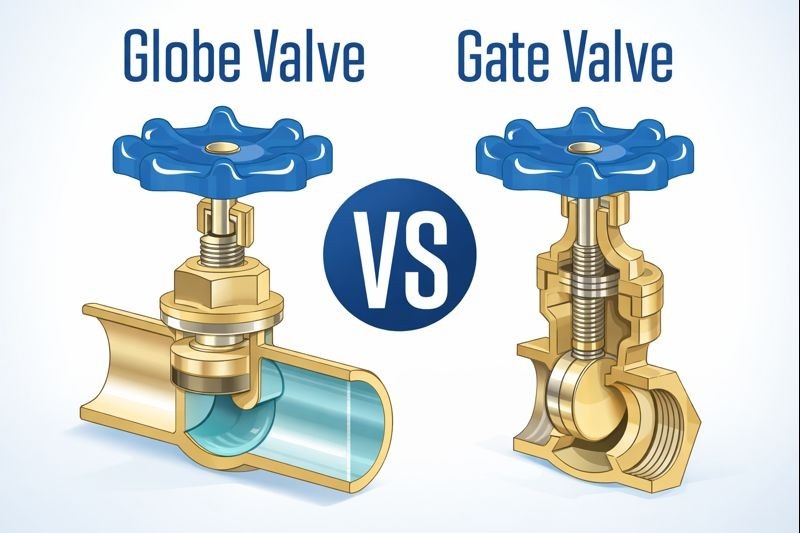
Gate valves belong to the linear motion valve family and are primarily used for on/off flow control. They consist of a wedge-shaped disc (gate) that moves perpendicular to the flow path.

Key Features of Gate Valves:

  • Full Bore Flow: Minimal obstruction when fully open → very low pressure drop.
  • Construction: Simple, with most internal components at the top; stem can be rising or non-rising.
  • Operation: Best used in fully open or fully closed positions; not suitable for throttling.
  • Applications: Water supply, fire protection lines, oil & gas pipelines, high-flow industrial systems.
  • Advantages: Bidirectional, energy-efficient, long-lasting, low maintenance.

Pro Tip: Knife gate valves are ideal for slurry or viscous fluids, cutting through solids to maintain flow.

2. Overview of Globe Valves

Globe valves are designed for flow regulation (throttling) as well as isolation. They have a spherical body with an internal disc or plug that moves parallel to the flow.

Key Features of Globe Valves:

  • Flow Control: Excellent for precise flow adjustment; proportional to disc movement.
  • Construction: Complex; many components inside the cavity; rising stem design.
  • Operation: Can throttle flow efficiently; unidirectional.
  • Applications: Steam systems, chemical processes, HVAC circuits, laboratory lines.
  • Advantages: Reliable sealing, high durability, precise control.
  • Limitation: Higher pressure drop due to flow path changes; requires more energy to operate.

Pro Tip: Use globe valves for sensitive systems where precise flow or pressure regulation is critical.

3. Gate Valve vs Globe Valve – Side-by-Side Comparison

Feature Gate Valve Globe Valve
Primary Function Isolation (On/Off) Flow regulation and isolation
Flow Path Straight, full bore Curved, changes direction
Pressure Drop Very low High (due to flow resistance)
Flow Control Not suitable for throttling Excellent for throttling
Directionality Bidirectional Unidirectional
Operating Mechanism Disc moves perpendicular to flow Disc moves parallel to flow
Maintenance Simple, fewer moving parts Complex, more frequent checks
Applications Water lines, fire protection, pipelines Steam lines, chemical plants, HVAC
Energy Efficiency High Moderate (higher resistance)

4. Working Mechanism

Gate Valve Working:

  • The Disc moves upwards to open, downwards to close.
  • Full flow or complete shutoff only.
  • Linear motion creates minimal turbulence.

Globe Valve Working:

  • The Disc moves parallel to flow, adjusting the passage area.
  • Allows precise flow control with tight sealing.
  • Flow resistance is higher → noticeable pressure drop.

5. Pressure Drop & Flow Control Considerations

  • Gate Valve: Ideal for pipelines requiring low energy loss. Can handle large diameter pipes efficiently.
  • Globe Valve: Suitable for systems needing frequent adjustment. The flow path change increases pressure drop but ensures accurate throttling.

Tip: Never use gate valves for throttling; it damages the disc and reduces valve life.

6. Installation & Maintenance

  • Gate Valve: Easier to install, fewer internal components, less frequent maintenance.
  • Globe Valve: Must follow flow direction markings; more moving parts → regular maintenance recommended.

7. Choosing the Right Valve

Factors to Consider:

  1. Flow Conditions: Slurry? High-pressure fluid? Low-pressure drop required?
  2. Control Needs: Is throttling needed or just full shutoff?
  3. Operating Environment: Temperature, pressure, corrosive fluids.
  4. Installation Space: Gate valves may require more vertical space; globe valves more horizontal clearance.
  5. Cost vs Lifecycle: Gate valves cheaper initially; globe valves offer better reliability and long-term performance.

Quick Rule:

  • Gate Valve → On/Off, high flow, low pressure drop.
  • Globe Valve → Precise control, throttling, sensitive systems.

AI Overview

Discover the key differences between gate valves and globe valves, including structure, flow control, pressure drop, and applications, to choose the right valve for efficient industrial systems.

FAQs

What is the key difference between a gate valve and a globe valve?

Gate valves are designed for on/off flow control with minimal pressure drop, while globe valves provide precise flow regulation and throttling.

Can gate valves be used for throttling applications?

No. Using a gate valve partially open can cause vibration and damage. For throttling, always use a globe valve.

Which valve type is more energy-efficient?

Gate valves are more energy-efficient because their straight-through flow reduces pump power and pressure loss.

Are globe valves bidirectional like gate valves?

No. Globe valves are unidirectional and must follow the flow direction marked on the valve body for proper operation.

How do I choose between a gate valve and a globe valve?

Consider flow rate, pressure drop, throttling needs, and operating environment. Use gate valves for on/off high-flow systems and globe valves for precise flow control.

Conclusion

Both gate valves and globe valves are vital in industrial fluid systems, but their design, functionality, and applications differ significantly. Understanding these differences ensures proper valve selection, reduces maintenance costs, improves efficiency, and prevents system failures.

If you need high-quality marine valves & flow control solutions for your industrial system, contact K. Hashim today. Our experts will guide you to the right solution for your flow control needs.

Explore More Expert Insights

Discover deck & engine components, marine epoxies, fasteners, fittings, flanges, valves, and gauges for your next project.

Different Types of Buttweld Fittings and Their Applications – Explore Buttweld Fittings: Types and Practical Applications

Importance of Expansion Joints in Building ConstructionImportance of Expansion Joints in Building Construction

Personal Protective Equipment (PPE) Compliance ChecklistEnsure Safety with PPE Compliance Checklist

Uses of Woolen Felt Sheets in Industrial Applications – Woolen Felt Sheets Uses and Sounding Cock Valves

Common Mistakes While Operating Deck Machinery SystemsOperating Deck Machinery Systems: Mistakes to Avoid

Importance of Expansion Joints in Building Construction

Expansion joints are essential components in modern building construction, playing a pivotal role in maintaining the structural integrity and durability of buildings. Whether in high-rise structures, industrial facilities, or commercial complexes, expansion joints in construction help buildings withstand stresses caused by temperature variations, seismic activity, and other dynamic forces.

Understanding the importance, types, and benefits of expansion joints allows builders, engineers, and property owners to make informed decisions that enhance the longevity and safety of construction projects.

What Are Expansion Joints in Buildings

Building expansion joints are designed gaps or separations incorporated into structures to accommodate movements caused by thermal expansion, contraction, or structural shifts. Without proper expansion joints, materials such as concrete, steel, or masonry could crack, warp, or suffer other forms of structural damage.

In high-rise buildings, high-rise building expansion joints play a critical role in ensuring each section can move independently without compromising stability. These joints reduce long-term maintenance costs and prevent costly structural failures.

Why Expansion Joints Are Critical in Construction

Thermal Expansion and Contraction

One of the main reasons for installing expansion joints is to manage thermal expansion in buildings. Materials expand when exposed to heat and contract when cooled.

In regions with extreme temperature fluctuations, thermal expansion joints in UAE construction are crucial to prevent cracks and deformation. Properly designed joints absorb these movements, preserving both structural integrity and visual appearance.

Seismic Activity and Structural Flexibility

Seismic expansion joints enhance a building’s resilience against earthquake forces. In earthquake-prone areas, these joints allow different sections of a building to move independently, reducing the risk of structural failure.

By absorbing seismic energy, expansion joints ensure safety for occupants and extend the lifespan of the structure.

Moisture, Humidity, and Environmental Factors

Changes in moisture and humidity can cause building materials to expand or contract. Rubber expansion joints for pipelines and flexible polymer joints help accommodate these variations, preventing warping, buckling, or cracking.

Floor expansion joints and wall expansion joints protect structures exposed to varying environmental conditions, ensuring long-term durability.

Preventing Structural Damage

Expansion joints prevent structural damage by allowing controlled movement between building sections. Industrial expansion joints for concrete floors are particularly effective in factories, warehouses, and high-rise buildings.

They reduce stress accumulation in materials and minimize the risk of cracks, spalling, and other damage.

Types of Expansion Joints in Construction

Several types of expansion joints are commonly used in building projects, each tailored to specific structural needs:

Building Expansion Joints

These joints divide large buildings into smaller sections, allowing each section to move independently. Expansion joints for commercial buildings are essential for managing thermal movements, seismic shifts, and foundation settlements.

Bridge Expansion Joints

Bridge expansion joints accommodate movements caused by traffic loads, temperature changes, and seismic activity. They maintain safety and extend the lifespan of bridge decks. Bridge expansion joint suppliers in Dubai often provide durable solutions for highway and infrastructure projects.

Pipeline Expansion Joints

In industrial facilities, pipeline expansion joints compensate for thermal expansion and vibrations. Rubber or metallic pipeline expansion joints prevent leaks and ensure smooth operation in chemical plants, water supply systems, and oil refineries.

Floor and Wall Expansion Joints

Floor expansion joints prevent cracking in large concrete slabs, commonly found in warehouses and commercial buildings. Wall expansion joints protect structures from cracking due to thermal movements, moisture, and settling foundations. Rubber floor expansion joints for sale in UAE are widely used in industrial and commercial settings.

Seismic Expansion Joints

Seismic expansion joints are designed to absorb movements caused by earthquakes. Seismic expansion joints for high-rise buildings allow independent movement of building sections, reducing the risk of catastrophic failure and ensuring safety in critical infrastructure.

Benefits of Installing Expansion Joints

Enhanced Durability

Expansion joints significantly improve the durability of buildings. Industrial expansion joints allow materials to move freely, reducing wear and tear and extending the lifespan of structural elements.

Improved Safety

By preventing cracks, warping, and other forms of damage, expansion joints enhance safety for building occupants. Expansion joints for pipelines and high-rise towers are particularly important for maintaining structural integrity under stress.

Cost-Effective Maintenance

While installing expansion joints requires an initial investment, they save money in the long term by reducing repair and maintenance costs. Expansion joints suppliers in Dubai offer cost-effective solutions that prevent premature structural damage.

Aesthetic Preservation

Expansion joints help maintain the visual appeal of buildings. By preventing visible cracks and damage, high-quality expansion joints for commercial buildings ensure structures remain functional and attractive for years.

Best Practices for Expansion Joint Installation

Proper Planning and Design

Effective installation begins with careful planning. Engineers must consider the building’s size, materials, environmental conditions, and expected movements. Proper spacing and sizing of expansion joints in large concrete slabs ensures maximum flexibility and durability.

Material Selection

Selecting the right material is critical. Rubber, metal, and flexible polymers are commonly used. Industrial projects often use metallic expansion joints for high-temperature applications, while rubber expansion joints are ideal for floors, pipelines, and walls.

Professional Installation

Expansion joints must be installed by experienced professionals. Proper installation guarantees that joints function as intended, absorbing movement and preventing damage. Expansion joint installation guides are helpful resources for ensuring compliance with structural requirements.

Regular Maintenance

Periodic inspection and maintenance of expansion joints ensure their longevity and effectiveness. Identifying wear, cracks, or deterioration early helps maintain the safety and performance of buildings. Expansion joint maintenance for commercial and industrial projects is essential for long-term durability.

AI Overview

Learn the importance of expansion joints in building construction, types, benefits, and best practices to ensure durability, safety, and cost-effective maintenance.

FAQs

How long can a wall be without an expansion joint?

Walls should have expansion joints every 6–12 meters, depending on the material. Without them, cracks and distortion can occur.

What happens if expansion joints fail?

Failed joints can cause cracks, structural movement, water leakage, and costly repairs.

What are the alternatives to expansion joints?

Pipe loops can be used in piping systems to absorb axial movement instead of expansion joints.

What are the rules for expansion joints in concrete?

Place concrete expansion joints no farther apart than 2–3 times the slab width to prevent cracking.

Can expansion joints be repaired?

Yes, joints can be repaired and sealed with proper tools, materials, and surface preparation.

Conclusion

Expansion joints are indispensable in modern building construction. They provide the flexibility needed to accommodate thermal expansion, seismic movements, and environmental changes while preventing structural damage.

Using high-quality expansion joints in construction projects enhances durability, safety, and cost efficiency. Builders, engineers, and property owners who prioritize proper planning, material selection, professional installation, and maintenance can ensure that their buildings remain safe, functional, and visually appealing for decades.

If you need high-quality expansion joints in Dubai, K. Hashim is a trusted supplier for reliable commercial, industrial, and infrastructure solutions. Contact them today.

Explore More Expert Insights

Discover deck & engine components, marine epoxies, fasteners, fittings, flanges, valves, and gauges for your next project.

Different Types of Buttweld Fittings and Their Applications – Explore Buttweld Fittings: Types and Practical Applications

Pipe Fittings Selection Guide: Types, Features, ApplicationsComplete Guide to Choosing Pipe Fittings for Every Job

Personal Protective Equipment (PPE) Compliance ChecklistEnsure Safety with PPE Compliance Checklist

Uses of Woolen Felt Sheets in Industrial Applications – Woolen Felt Sheets Uses and Sounding Cock Valves

Common Mistakes While Operating Deck Machinery SystemsOperating Deck Machinery Systems: Mistakes to Avoid

Different Types of Buttweld Fittings and Their Applications

Buttweld fittings are essential components in industrial piping systems that demand durability, reliable performance, and long-term structural integrity. Before exploring the different types of butt weld fittings used in various industries, it is important to understand what is butt weld fittings are and why engineers often choose buttweld pipe fittings over other connection methods.

In simple terms, butt weld fittings refer to fittings welded directly to the ends of pipes to create a strong, permanent joint. The welded connection becomes part of the pipe wall, ensuring a smooth internal surface, efficient flow, excellent pressure handling, and minimal turbulence.

Industries that operate high-pressure or high-temperature systems rely heavily on high pressure butt weld fittings for dependable performance and safety.

Why Buttweld Fittings Are Essential in Piping Systems

A buttweld connection provides significantly stronger joints compared to mechanical or threaded options. These welded pipe fittings create a seamless internal flow path without obstructions, making them ideal for steam lines, refineries, chemical networks, and temperature sensitive operations.

The smooth interior reduces friction losses, prevents leak formation, and supports long-term stability in large industrial pipelines. Many engineers prefer these fittings for their ability to maintain pressure integrity across long distances and heavy-load conditions especially when using industrial pipe fittings in demanding environments.

Types of Buttweld Fittings and Their Uses

Below are the major types of butt weld fittings commonly used in industrial piping systems.

Buttweld Elbow

A butt weld elbow changes the direction of flow within a pipeline. Available in 45-degree, 90-degree, long radius, and short radius designs, elbows help minimize pressure loss and turbulence. They are widely used in refineries, power plants, and municipal water systems.

A common choice is the butt weld elbow 90 degree configuration, which ensures smooth directional changes without compromising flow efficiency.

Buttweld Tee

A butt weld tee creates a branch connection while allowing consistent distribution across the system. Equal and reducing tees support chemical lines, fire protection networks, and industrial flow systems. For balanced fluid distribution, many opt for butt weld tee pipe fitting types designed according to sizing standards.

Reducer Concentric and Eccentric

A reducer allows smooth transition between different pipe diameters. Concentric reducers maintain centered flow, while eccentric reducers prevent air pockets in horizontal lines. These are vital in pump suction lines and HVAC pipelines. Reducers are often offered as butt weld reducer options, valued for their reliability and smooth flow transitions.

Pipe Caps

Pipe caps securely close the end of a pipeline. They are used during pressure testing, maintenance shutdowns, isolations, and future expansion planning. Caps crafted for buttweld joints help maintain a flush internal surface and prevent contamination or leakage.

Stub Ends

Stub ends work with lap joint flanges and are used where frequent dismantling is required. They reduce flange wear and are ideal for corrosive environments such as chemical processing plants. Because of their design, corrosion resistant pipe fittings such as stub ends paired with flanges are often used in chemical and marine applications.

Laterals and Cross Fittings

Laterals and crosses support multi-direction branching and are essential for fire hydrant systems, advanced water distribution, and complex industrial pipeline routing. These fittings help build complex network layouts without compromising structural integrity.

Materials Used in Buttweld Fittings

Different industries and operating conditions require unique materials. Below are the most commonly used grades aligned with ASME B16.9 fittings standard.

Stainless Steel Buttweld Fittings

Used in corrosive environments such as marine pipelines, pharmaceutical processing, and food grade applications. Stainless steel ensures high corrosion resistance and long service life.

Carbon Steel Buttweld Fittings

Ideal for petroleum pipelines, power generation, and high temperature steam systems. Carbon steel pipe fittings are cost effective for large-scale industrial installations while maintaining strength under high pressure.

Alloy Steel Buttweld Fittings

Designed for extreme temperature and pressure applications including boilers, reactors, and refinery furnaces. Alloy steel butt weld fittings deliver durability and heat resistance in harsh service conditions.

Seamless Buttweld Fittings

Preferred for pressure sensitive applications requiring uniform strength without welded seams. Seamless butt weld fittings reduce risk of weak points and provide consistent performance, particularly in high-pressure lines.

Standards and Thickness Selection

Dimensional accuracy and compatibility depend on industrial standards. ASME specifications are widely used across global projects.

Schedule 40 butt weld fittings are typically installed in medium-pressure pipelines, while schedule 80 fittings are used for higher-pressure operations. These standards ensure safe performance and reliable system operation across varying pressure and temperature conditions.

Compliance with ASME B16.9 fittings standard is often a prerequisite for project approvals in many industries.

Manufacturing Process of Buttweld Fittings Step by Step

Below is a clear breakdown of the manufacturing process

  • Selection of certified steel plates or seamless pipes
  • Cutting to required dimensions
  • Heating and shaping using dies or forming machines
  • Trimming to achieve the correct geometry
  • Heat treatment for enhanced mechanical strength
  • Machining for dimensional precision
  • Non destructive testing for defects
  • Chamfering and beveling for welding preparation

This process ensures high quality components suitable for demanding industrial pipelines. Buyers looking to buy buttweld fittings online or through suppliers often verify these steps to guarantee product integrity.

Welding Techniques Used for Buttweld Joints

Understanding welding methods ensures the correct type of penetration and joint strength.

TIG Welding

Ideal for thin wall pipes and stainless steel components requiring precision. Often chosen when finish quality and internal smoothness are priorities.

MIG Welding

Used for medium thickness pipes in high production environments. Balances efficiency with decent weld strength.

SAW Welding

Perfect for thick wall components, offering deep weld penetration for large diameter pipes such as carbon steel or alloy steel fittings. Essential for welded pipe joints for oil and gas and heavy industrial applications.

Different Types of Butt Weld Pipe Joints

Straight joints

Used for direct pipeline extensions. Offers straightforward alignment, easy installation, and reliable flow.

Miter joints

Used for directional changes when elbows cannot be used. Useful in tight spaces where a regular elbow won’t fit.

Elbow joints

Provide curvature based direction change. Common in fluid routing within plants or industrial complexes.

Transition joints

Used when connecting different materials or diameters, ensuring safe and secure transitions between pipe sizes or materials.

Multi direction joints

Support complex routing in industrial facilities where multiple branches diverge from a single pipeline.

Advantages and Disadvantages of Buttweld Fittings

Advantages

  • Extremely strong and permanent connections
  • Smooth internal flow improves efficiency
  • Suitable for high pressure and high temperature
  • Cost effective for large pipeline sizes
  • Excellent vibration resistance

These benefits make buttweld fittings preferred in heavy industries, oil and gas pipelines, chemical plants, and large-scale water distribution systems.

Disadvantages

  • Requires skilled welders for proper installation
  • Not ideal for very small pipe sizes
  • Slower installation than threaded fittings

Thus, while buttweld fittings offer significant long-term reliability, they require skilled workforce and precise installation standards.

Industry Based Applications of Buttweld Fittings

Oil and Gas

Used in high pressure crude transport and refinery networks. Heavy duty butt weld fittings are often specified for durability and leak free joints.

Chemical Processing

Essential for corrosive media such as acids and solvents. Stainless steel or alloy steel grades are selected to ensure chemical resistance and safety.

Water Treatment and Desalination

Reliable for long distance leak proof water transport. Seamless and corrosion resistant fittings ensure water purity and longevity even in harsh sea water environments.

HVAC Systems

Used in chilled water and steam lines. Smooth flow and pressure handling make butt weld fittings ideal for large HVAC installations.

Marine and Mining

Effective in vibration heavy environments where robust joints and corrosion resistant pipe fittings are crucial for safety and durability.

AI Overview

Explore different types of buttweld fittings, their materials, uses, and advantages for industrial pipelines, ensuring durable, high-pressure, and efficient flow systems.

FAQs

What are buttweld fittings?

Buttweld fittings are welded pipe fittings used to join pipes permanently. They provide strong, leak-proof joints and smooth flow, ideal for high-pressure industrial pipelines.

What are the common types of pipe fittings?

The most common pipe fittings include elbows, tees, reducers, couplings, and crosses. These fittings help change direction, split flow, or connect pipes efficiently.

What sizes do buttweld fittings come in?

Buttweld fittings are typically available in sizes from ¾ inch to 24 inches, suitable for industrial, chemical, and water pipeline applications.

What materials are used for buttweld fittings?

They are commonly made from stainless steel, carbon steel, alloy steel, and seamless steel, depending on pressure, temperature, and corrosion resistance requirements.

Conclusion

By understanding the different types of buttweld fittings, materials, manufacturing processes, and welding methods, engineers and decision makers can design safer, more efficient, and longer lasting pipeline systems. From elbows, tees, reducers, and stub ends to material selection, production steps, welding techniques, and joint types each factor contributes to overall system reliability.

Whether your project demands stainless steel butt weld fittings for corrosive environments, carbon steel pipe fittings for high temperature steam lines, or alloy steel butt weld fittings for heavy duty industrial usage, selecting the right component ensures optimal performance, safety, and longevity.

K Hashim is your trusted choice for high-quality, durable, and reliable butt weld pipe fittings for industrial, chemical, and water pipeline applications. Contact us today to get the right fittings for your project.

Explore More Expert Insights

Discover deck & engine components, marine epoxies, fasteners, fittings, flanges, valves, and gauges for your next project.

Tips On Using Fasteners For High-Temperature ApplicationsGuide to Using Fasteners Safely in High-Temperature Settings

Pipe Fittings Selection Guide: Types, Features, ApplicationsComplete Guide to Choosing Pipe Fittings for Every Job

Personal Protective Equipment (PPE) Compliance ChecklistEnsure Safety with PPE Compliance Checklist

Uses of Woolen Felt Sheets in Industrial Applications – Woolen Felt Sheets Uses and Sounding Cock Valves

Common Mistakes While Operating Deck Machinery SystemsOperating Deck Machinery Systems: Mistakes to Avoid

Common Mistakes While Operating Deck Machinery Systems

Operating deck machinery is one of the most critical responsibilities on board any vessel. These systems support anchoring, mooring, cargo handling and essential shipboard operations. Even experienced crew members can unintentionally make errors that lead to equipment damage, operational delays or serious safety risks.

Understanding the most common mistakes while operating deck machinery systems is important for ensuring safe and reliable performance.

This guide explores the frequent operational errors made on deck, why they occur and how to avoid them through correct procedures, better awareness and proper maintenance practices.

Lack of Proper Training

One of the biggest reasons behind deck machinery accidents is operating complex equipment without the required training. Many crew members depend on their previous experience rather than structured learning. This leads to incorrect operation of systems such as mooring winches, anchor winches, pumps and bow thrusters.

Modern vessels require operators to understand advanced controls, hydraulic systems, brake settings and load management. Without proper training, even small mistakes can cause injuries, equipment failure or unexpected vessel movement.

Crew members should receive regular refresher courses on deck machinery safety, mooring operations and heavy equipment handling.

Improper Communication During Watch Handover

A smooth watch handover is essential for safe deck operations. Poor communication during the handover process increases the chances of operating machinery based on incorrect assumptions. If the outgoing watchkeeper does not update the incoming crew about the status of winches, crane loads, brake settings or recent maintenance issues, it creates a serious operational gap.

Many incidents occur because the incoming watchkeeper is unaware of a previous malfunction or an unfinished task. A structured handover checklist is an effective solution and supports safe operations by ensuring clarity, communication and accountability among the crew.

Bypassing Safety Protocols

Safety protocols exist to protect the crew, vessel and machinery. A common mistake while operating deck machinery is bypassing safety systems to complete a task quickly. Some operators skip essential steps such as checking brake pressure, testing emergency stops, inspecting the mooring line angle or confirming the correct load setting. Ignoring procedures is dangerous and leads to costly damage.

Every deck machinery operator should follow onboard safety guidelines, wear proper marine PPE and confirm that all control units are functioning before starting operations. Strict adherence to safety protocols also improves overall performance and reduces downtime.

Lack of Situational Awareness

Situational awareness is important for safe deck operations. Many accidents happen because operators fail to observe their surroundings. Slippery decks, unstable loads, incorrect line angles and unidentified obstructions can create sudden hazards.

Crew members should constantly assess the environment while operating machinery. Maintaining awareness of weather conditions, vessel movement and the location of other personnel helps prevent injury and equipment damage.

Incorrect Operation of Bow Thrusters

Bow thrusters are sensitive systems that require smooth and controlled handling. A common mistake is rapidly moving the joystick from minimum to maximum pitch. This sudden change in direction or thrust puts unnecessary stress on the electric motor and hydraulic components. Operators must apply gradual power adjustments and avoid abrupt movements.

Bow thruster misuse can result in overheating, vibration and long term mechanical failure. Proper training and understanding of thrust response are essential for safe maneuvering.

Improper Usage of Mooring Winch Brakes

Another frequent error involves using the mooring winch brake to control speed during mooring operations. The brake system is not designed for speed regulation. It is designed to apply holding force. Using the brake in place of the reduction gear damages the brake lining and increases the risk of sudden overload.

Operators should always use the designated control system for speed adjustment. Brake settings should only be used to secure the line. Following the correct procedure improves equipment reliability and reduces the risk of mooring line failure.

Lubrication Errors in Anchor Winches

Many deck machinery failures occur due to lubrication mistakes. A serious error is greasing friction washers or brake linings on anchor winches. These components must remain free of lubrication because grease decreases friction and causes the anchor chain to slip unexpectedly. Incorrect lubrication also affects braking force and increases stopping distance.

Operators should follow manufacturer specifications for oil and grease application. Using improper lubricants or applying them to the wrong parts significantly reduces machinery performance.

Overloading Deck Cranes

Deck cranes support heavy lifting operations and require careful load management. A common mistake is lifting a load that exceeds the Safe Working Load. Overloading a crane can cause structural damage, wire failure or deformation of the boom. Operators should always verify load weight, check crane limitations and ensure that the lifting gear is inspected.

Maintaining the correct lifting angle and distributing weight evenly are also essential for safe crane operation. Avoiding overload situations protects both the equipment and the crew.

Pump Operation Mistakes

Pumps play a vital role in cargo transfer, ballast operations and general ship maintenance. A frequent mistake is starting a pump without opening the suction valve. This causes severe vibration, overheating and cavitation damage to the pump casing.

Operators should always check suction and discharge valves before starting the pump. Monitoring pressure readings and flow rate also prevents long term mechanical issues.

Ignoring Maintenance Schedules

Regular maintenance is essential for extending the lifespan of deck machinery systems. Many failures occur because crew members ignore maintenance schedules or rely solely on previous experience. Without a systematic maintenance plan, components wear out faster and performance becomes inconsistent.

Operators should follow a structured maintenance checklist that includes lubrication schedules, brake inspections, calibration checks, wire rope inspections and hydraulic system testing. Using data driven maintenance practices instead of assumptions ensures uniform performance and safer operations.

Over Reliance on Experience Instead of Manufacturer Guidelines

Experience is valuable but should never replace manufacturer specifications. Many operators assume correct settings based on personal judgment rather than technical guidelines. Incorrect brake force, wrong hydraulic pressure settings or inconsistent lubrication methods increase the chance of malfunction.

Manufacturers provide precise instructions for brake adjustments, friction washer handling, lubrication types and operational limits. Following these specifications supports safer and more efficient deck machinery operations.

AI Overview

Learn the most common deck machinery operation mistakes and how to prevent them with proper training, safe handling, correct maintenance and improved situational awareness on board.

FAQs

What are the most common mistakes when operating deck machinery?

Common mistakes include poor communication, lack of training, incorrect brake use, overloading cranes and improper lubrication.

Why is it risky to grease anchor winch friction washers?

Greasing friction washers lowers friction and causes the anchor chain to slip, which is a major safety hazard.

How can I avoid errors with mooring winches?

Use the reduction gear for controlling speed, never use the brake for speed regulation and follow manufacturer guidelines.

What causes deck crane failures during lifting?

Most failures happen when operators exceed the Safe Working Load, use the wrong lifting angle or skip gear inspections.

How does lack of situational awareness affect deck machinery operation?

Low awareness increases accidents caused by slippery decks, unstable loads, wrong line angles or unnoticed hazards.

Conclusion

Deck machinery systems require discipline, technical knowledge and consistent attention to detail. Most mistakes occur due to poor communication, lack of training, incorrect handling techniques and weak maintenance practices.

By understanding these common errors and applying correct procedures, marine operators can improve machinery performance and reduce operational risks. Prioritizing structured training, following manufacturer guidelines, maintaining situational awareness and applying data driven maintenance ensures safe and smooth deck operations.

Adopting these best practices not only prevents accidents but also extends the life of essential deck machinery systems and supports efficient vessel performance.

Searching for Best Deck & Engine Store Supplies in UAE?

K. Hashim LLC is your one stop solution for marine, oilfield, and industrial supplies. We offer durable deck machinery tools, high quality engine room equipment, and reliable products trusted across the UAE to ensure safe, efficient, and smooth operations.

Contact K. Hashim LLC today to get expert support and fast delivery on all your marine and industrial supply needs.

Explore More Expert Insights

Discover deck & engine components, marine epoxies, fasteners, fittings, flanges, valves, and gauges for your next project.

Tips On Using Fasteners For High-Temperature ApplicationsGuide to Using Fasteners Safely in High-Temperature Settings

Pipe Fittings Selection Guide: Types, Features, ApplicationsComplete Guide to Choosing Pipe Fittings for Every Job

Personal Protective Equipment (PPE) Compliance ChecklistEnsure Safety with PPE Compliance Checklist

Uses of Woolen Felt Sheets in Industrial Applications – Woolen Felt Sheets Uses and Sounding Cock Valves

PPE Kit Guide: Safety Equipment Standards & RequirementsComprehensive PPE Kit Guide for Safety Compliance

Top Uses of Woolen Felt Sheets in Industrial Applications

Woolen felt sheets are increasingly essential across industrial sectors due to their natural durability, versatility, and high-performance capabilities. From manufacturing plants and heavy machinery to construction sites and automotive applications, wool felts enhance safety, efficiency, and sustainability.

Businesses around the world are adopting wool felt sheets for their unique combination of performance, longevity, and eco-friendliness. In this article, we explore the top industrial uses for wool felt sheets, emerging trends, and practical benefits in modern industries.

Thermal Insulation for Industrial Equipment

One of the most important uses of woolen felt sheets is thermal insulation. These sheets are naturally heat resistant and help protect machinery from overheating. In factories, thermal insulation with wool felt reduces energy consumption, maintains optimal machine temperatures, and prevents costly breakdowns.

Wool felts can also be cut into customized shapes for boilers, ducts, and heat-sensitive components, making them highly adaptable for industrial projects.

The ability of wool felt to retain shape and resist fire makes it superior to many synthetic alternatives. Industries increasingly rely on this material to meet safety standards while reducing operational costs.

Acoustic & Vibration Control

Machinery in industrial plants produces constant vibration and noise, which can affect worker safety and operational efficiency. Woolen felt sheets are excellent for acoustic damping and vibration control.

When installed under machinery, inside panels, or on floors, wool felts absorb shocks and reduce noise pollution, creating a safer and more comfortable work environment.

Industrial operators also use felt sheets in transport vehicles, manufacturing robots, and mechanical equipment where vibration can lead to premature wear or misalignment. The cushioning effect of wool felts helps extend equipment life and improve precision in high-performance industrial setups.

Sealing and Gasket Applications

Woolen felt sheets are widely used for sealing and gasket applications in oil, gas, chemical, and manufacturing industries. Felt gaskets provide excellent pressure and temperature resistance, maintaining a tight seal under demanding conditions.

Whether in pipelines, valves, or industrial machines, wool felts offer reliable performance and durability. Compared to synthetic materials, wool felts provide a natural, high-performance solution that withstands chemical exposure and mechanical stress while remaining flexible enough for complex installations.

Filtration and Oil Absorption

Industrial filtration and fluid management are critical in heavy machinery, chemical plants, and automotive workshops. Woolen felt sheets excel in filtration and oil absorption applications because of their dense, fibrous structure. They can trap dust, debris, and liquids efficiently, helping reduce maintenance and improve equipment longevity.

Wool felts are often used in oil absorbent pads, spill containment mats, and industrial filtration systems. Their natural fiber composition makes them more eco-friendly and sustainable than synthetic alternatives, a factor increasingly valued in green industrial practices.

Industrial Workstation Cushioning

Heavy-duty workstations in assembly lines, laboratories, and mechanical workshops often require padding to protect machinery and personnel. Woolen felt sheets provide shock absorption and cushioning for long-term comfort and safety.

Installing felt pads under machinery reduces vibration and prevents scratches, dents, or other mechanical damage. Employees benefit from improved ergonomics, which can lead to higher productivity and lower workplace fatigue.

Automotive and Transportation Applications

In the automotive and transportation sectors, woolen felt sheets are used for engine insulation, acoustic panels, vibration mounts, and interior linings. Their flame resistance, moisture regulation, and thermal properties make them suitable for vehicles, trains, and heavy equipment.

As vehicle technologies advance, industries increasingly rely on wool felts to provide high-performance insulation while keeping interiors quiet and comfortable. Additionally, wool felts contribute to longer-lasting components and reduce the need for frequent replacements.

Benefits of Sourcing Wool Felt Sheets Near You

Sourcing wool felt sheets locally comes with numerous advantages. You can access custom-cut sizes, faster delivery, cost-effective shipping, and expert guidance on installation or technical requirements. Local suppliers also provide support for quality control, ensuring that you receive materials that meet industrial standards.

Industries that require bulk quantities or urgent shipments can benefit from local sourcing, ensuring continuous operations without delays. It also simplifies procurement, allowing businesses to focus on project execution and efficiency.

Technical Applications of Wool Felt

Beyond traditional industrial uses, wool felt sheets are being applied in technical projects such as aerospace components, cleanroom filtration, laboratory insulation, and advanced machinery setups. The combination of thermal, acoustic, and chemical resistance makes wool felts ideal for modern industrial needs.

Emerging trends include multifunctional materials for smart buildings, renewable energy projects, and high-tech manufacturing. Wool felt’s adaptability ensures it remains a preferred material for engineers, architects, and industrial designers.

Eco-Friendly Industrial Solutions

Sustainability is no longer optional in modern industries. Woolen felt sheets are renewable, biodegradable, and energy-efficient, making them an eco-friendly alternative to synthetic materials. They are increasingly used in green projects, such as sustainable building insulation, eco-conscious packaging, and natural fluid absorption.

Companies adopting wool felts not only reduce environmental impact but also enhance their corporate social responsibility profile, making this material an attractive choice for forward-thinking industries.

AI Overview 

Explore top industrial uses for wool felt sheets, from thermal insulation and vibration control to filtration and sustainable solutions that enhance performance and efficiency.

FAQs

What are woolen felts used for?

Woolen felts are used for insulation, cushioning, gaskets, filtration, vibration control, and protective layers in industrial applications.

What are the industrial uses of felt?

Felt sheets serve in machinery insulation, acoustic damping, oil absorption, automotive applications, and sustainable manufacturing solutions.

What is a felt sheet used for?

Felt sheets are applied in sealing, filtration, protective padding, workstations, packaging, and industrial insulation.

What is felt most commonly used for?

Felt is commonly used for thermal insulation, vibration control, filtration, gaskets, and noise reduction in industrial environments.

Can wool felt sheets be used for eco-friendly projects?

Yes, wool felts are renewable, biodegradable, and ideal for green industrial insulation and sustainable manufacturing solutions.

Conclusion

Woolen felt sheets offer unmatched versatility and high-performance applications across industries. From thermal insulation and vibration damping to filtration, sealing, and eco-friendly solutions, wool felts enhance safety, efficiency, and sustainability.

By understanding the top industrial uses for wool felt sheets, leveraging the benefits of sourcing wool felt sheets near you, and exploring technical applications of wool felt, businesses can optimize operations, reduce costs, and adopt sustainable practices.

Upgrade your industrial processes today with premium woolen felt sheets and experience improved performance, durability, and environmental benefits. Contact us now to explore custom wool felt sheet solutions for your industrial needs.

Explore More Expert Insights

Discover deck & engine components, marine epoxies, fasteners, fittings, flanges, valves, and gauges for your next project.

Tips On Using Fasteners For High-Temperature ApplicationsGuide to Using Fasteners Safely in High-Temperature Settings

Pipe Fittings Selection Guide: Types, Features, ApplicationsComplete Guide to Choosing Pipe Fittings for Every Job

Personal Protective Equipment (PPE) Compliance ChecklistEnsure Safety with PPE Compliance Checklist

Choosing the Right Sounding Cock Test Valve Supplier in UAE Find Trusted Sounding Cock Test Valve Suppliers in UAE

PPE Kit Guide: Safety Equipment Standards & RequirementsComprehensive PPE Kit Guide for Safety Compliance

Personal Protective Equipment (PPE) Compliance Checklist

Safety is a legal and operational priority for every workplace, especially in high-risk sectors such as construction, industrial manufacturing, oil and gas, logistics, and mining. While providing employees with Personal Protective Equipment (PPE) is crucial, ensuring PPE compliance is what truly protects workers from hazards and prevents workplace accidents.

This guide explains everything businesses need to know about PPE compliance requirements and includes a detailed PPE Compliance Checklist aligned with international safety standards like OSHA, ISO 45001, and EN standards.

What Is PPE Compliance?

PPE compliance means ensuring workers are wearing the correct Personal Protective Equipment, maintaining its condition, and consistently using it whenever they are exposed to risks. It involves proper hazard assessments, PPE selection, inspection, maintenance, documentation, and enforcement.

When safety guidelines are followed, PPE compliance reduces incidents such as falls, burns, chemical exposure, noise-related injuries, and blunt-force trauma on worksites.

Why PPE Compliance Is Essential

Implementing a PPE compliance program helps businesses:

-Preventing workplace injuries and fatalities

-Avoiding fines and legal penalties

-Reducing insurance and medical costs

-Maintaining productivity and operational efficiency

-Encouraging a strong safety culture

Did you know? Studies show that a significant percentage of workplace injuries occur due to incorrect or inconsistent PPE usage. Compliance ensures safety procedures are actively practiced.

Industries Requiring PPE Compliance

Most industrial and operational workplaces need a PPE compliance program, including:

-Construction and scaffolding works

-Oil and gas onshore and offshore operations

-Manufacturing and fabrication units

-Warehousing and logistics

-Ports and marine activities

-Mining and drilling

-Chemical laboratories and processing plants

-Electrical and power infrastructure projects

Each industry has unique hazards and legal requirements that determine the type of PPE required.

PPE Compliance Checklist for Organizations

This checklist helps implement a safe and compliant PPE program.

1. Conduct a Hazard Risk Assessment

Identify and evaluate workplace hazards such as:

-Falling objects

-Exposure to chemicals, heat, or flames

-Airborne contaminants and dust

-High-noise areas

-Electrical shocks

-Slippery or uneven surfaces

Document all hazards and update the assessment after any process changes.

2. Select the Correct PPE for Each Hazard

PPE must protect all exposed body parts. Examples include:

Area Protected PPE Required
Head Safety helmets, bump caps
Eyes and Face Safety goggles, face shields
Hearing Earplugs, earmuffs
Hands Cut-resistant, heat-resistant, or chemical-resistant gloves
Respiratory System Masks, respirators
Body Hi-vis clothing, coveralls, flame-resistant suits
Feet Protective footwear with slip or impact resistance
Fall Protection Safety harnesses, lanyards, lifelines

Tip: Only use certified and approved PPE.

3. Use Certified and Approved PPE

Ensure all PPE meets standards such as:

-OSHA regulations (United States)

-EN Standards (Europe)

-ISO 45001 occupational health and safety management standards

-NFPA or industry-specific approvals where applicable

Certified PPE ensures equipment quality and hazard suitability.

4. Ensure Proper Fit and Comfort

Poorly fitting PPE reduces protection and discourages use. Offer multiple sizes and provide fit testing, especially for respiratory PPE and fall protection equipment.

5. Provide PPE Training and Awareness

Employees must know:

-When PPE must be worn

-How to properly wear and adjust PPE

-Correct cleaning and storage methods

-Identifying damaged or expired gear

-Immediate actions when PPE failure occurs

Document training records for audits.

6. Inspect and Maintain PPE Regularly

-Inspection frequency depends on PPE type and usage:

-Cracked helmets or weakened shell strength

-Torn gloves or exposed protective layers

-Scratched eyewear that affects visibility

-Expired filters on respirators

-Worn-out harness belts, stitching, or anchor connectors

Defective PPE must be removed immediately.

7. Document Safety Records

Maintain organized documentation such as:

-PPE inventory and issuance logs

-PPE inspection reports

-Safety training and attendance records

-Hazard assessment documents

-Audit follow-up and corrective actions

Accurate documentation proves compliance during inspections.

8. Enforce PPE Usage

Supervision and monitoring are essential. Introduce workplace rules that require PPE in designated zones along with:

-Signage at hazardous areas

-Penalties for non-compliance

-Recognition programs for good safety behavior

Enforcement ensures consistent workplace safety.

Benefits of a PPE Compliance Program

Organizations with effective PPE compliance programs experience:

-Lower accident and injury rates

-Higher employee morale and confidence

-Reduced downtime and operational delays

-Stronger legal and regulatory compliance

-Improved business reputation with clients and authorities

A safe workplace contributes directly to productivity and long-term success.

Common PPE Compliance Failures

Below are some issues that compromise workplace safety:

-Using low-quality or uncertified PPE

-Lack of employee training

-Not replacing damaged or expired equipment

-Ignoring proper sizing and fit

-Missing documentation and inspection logs

-Inadequate supervision of PPE usage

Proactively addressing these issues ensures workplace protection and compliance.

PPE Compliance Audit Checklist Summary

Organizations can use this short checklist to verify compliance:

-PPE aligned with identified workplace hazards

-Certified equipment meeting OSHA, ISO, or EN standards

-Proper sizing and personalization of PPE

-Latest training records for all employees

-Regular inspections and timely replacement

-Clear enforcement of PPE rules on-site

-Documentation maintained for audits and reviews

Tip: Routine audits maintain continuous safety improvement.

Top Safety Equipment Supplier in Dubai

Ensure maximum safety for your workforce with premium certified Personal Protective Equipment. K. Hashim LLC is a trusted provider of high-quality PPE across the UAE, offering reliable products that meet international safety standards.

AI Overview

Ensure workplace safety with our PPE Compliance Checklist, covering hazard assessment, certified equipment, training, inspections, and documentation to meet OSHA & ISO 45001 standards.

FAQs

What is a PPE compliance checklist?

A tool to ensure all PPE meets safety standards, track inspections, and maintain compliance records.

Why is PPE compliance important?

It prevents workplace injuries, ensures legal compliance, and reduces costs from accidents.

How often should PPE be checked?

Inspect regularly, ideally before each use, to ensure PPE is safe and compliant.

What items are included in a PPE checklist?

Helmets, gloves, goggles, protective clothing, ear protection, respiratory equipment, and more.

Can a PPE checklist help with workplace audits?

Yes, it simplifies compliance demonstration and keeps records ready for inspections.

Conclusion

A structured and well-implemented PPE Compliance Checklist is crucial for protecting workers in environments with physical, chemical, mechanical, or environmental hazards. Beyond meeting regulatory standards, PPE compliance significantly reduces injuries, boosts operational efficiency, and builds a strong safety culture across the organization.

Businesses that prioritize PPE compliance not only safeguard their workforce but also secure long-term performance, stability, and regulatory trust.

Protect your employees and stay compliant. Browse our top-rated PPE collection today and secure workplace safety.

Explore More Expert Insights

Discover deck & engine components, marine epoxies, fasteners, fittings, flanges, valves, and gauges for your next project.

Tips On Using Fasteners For High-Temperature ApplicationsGuide to Using Fasteners Safely in High-Temperature Settings

Pipe Fittings Selection Guide: Types, Features, ApplicationsComplete Guide to Choosing Pipe Fittings for Every Job

Unlocking Potential of SS Grease Nipples in UAE IndustriesMaximize Efficiency with Stainless Steel Grease Nipples

Choosing the Right Sounding Cock Test Valve Supplier in UAE Find Trusted Sounding Cock Test Valve Suppliers in UAE

PPE Kit Guide: Safety Equipment Standards & RequirementsComprehensive PPE Kit Guide for Safety Compliance

Guide to Choosing Steel Flanges for Industrial Piping in Dubai

Dubai’s booming industrial sector, from oil and gas facilities to desalination plants and large-scale construction, relies on strong and reliable piping systems.

At the center of these systems are steel flanges, the critical connectors that join pipes, valves, and pumps together to create leak-proof networks. Flanges may look simple, but choosing the right one can make all the difference between long-term performance and costly downtime.

In Dubai’s harsh, humid, and often saline environment, careful flange selection ensures durability, safety, and compliance with international standards.

This guide explains how to choose the right steel flanges for industrial piping in Dubai, focusing on material types, design options, and local conditions.

Why Flange Selection Matters

In industrial operations, flange failures are among the leading causes of leaks, shutdowns, and safety issues. Dubai’s environment presents extra challenges — high temperatures, salty air, and humidity can all accelerate corrosion. The correct flange selection guarantees:

-Leak-free connections even under pressure

-Corrosion resistance against marine and desert conditions

-Compliance with ASME, DIN, or API standards

-Lower maintenance and repair costs

-Longer service life and system reliability

Whether in an oil terminal or a high-rise HVAC network, proper flange selection keeps the system performing efficiently and safely.

What Are Steel Flanges?

A flange is a mechanical connector used to join pipes, valves, or other equipment. It provides strength, sealing, and accessibility for inspection or maintenance. Flanges are typically joined using bolts and sealed with gaskets to prevent leaks.

In Dubai’s industrial landscape, steel flanges are the most common because of their durability and availability in international standard dimensions.

Common Types of Steel Flanges

Each flange type serves a specific purpose based on pressure, temperature, and fluid type.

1. Weld Neck Flange

Designed with a long tapered hub for strength and stress distribution. Used in high-pressure and high-temperature systems such as oil refineries and power plants.

2. Slip-On Flange

Easier to install and align. Best suited for low to medium pressure systems like HVAC or chilled-water networks.

3. Socket Weld Flange

Provides a smooth bore and solid joint, ideal for small diameter, high-pressure lines.

4. Threaded Flange

Screwed onto pipes without welding. Common in low-pressure or temporary applications.

5. Lap Joint Flange

Paired with a stub end, allowing rotation for easy alignment. Used in systems requiring frequent disassembly.

6. Blind Flange

A solid plate that closes off a pipe or nozzle opening. Used for testing or isolation.

7. Spectacle Flanges

Includes orifice, spectacle flanges and swivel flanges for control or isolation in critical oil, gas, and chemical applications.

Flange Face Types

Choosing the right sealing face ensures a tight joint:

-Raised Face (RF): Most common; suitable for general industrial use.

-Flat Face (FF): Used when connecting to cast-iron or flat-faced equipment.

-Ring Type Joint (RTJ): Handles high pressure and high temperature using a metal ring gasket.

-Tongue & Groove / Male-Female: Provides accurate alignment and prevents gasket blowout.

Material Selection

Material choice directly affects performance and longevity, especially in Dubai’s coastal climate.

Carbon Steel (A105)

Strong and economical but requires anti-corrosion coating for outdoor or marine applications.

Stainless Steel (A182 F304 / F316)

Excellent corrosion resistance, ideal for coastal, chemical, and desalination plants. Grade 316 stainless is widely regarded as one of the best Stainless Steel Flanges for long-term durability in humid and saline environments.

Alloy Steel (F11 / F22)

Used in high-temperature, high-pressure systems such as power generation and oil refining.

Duplex and Super Duplex

Provide both strength and corrosion resistance, ideal for offshore pipelines and seawater handling.

Nickel Alloys (Inconel, Monel, Hastelloy)

Exceptional performance under extreme heat and chemical exposure; common in chemical processing facilities.

Standards and Pressure Ratings

Steel flanges are standardized globally to ensure consistency and compatibility. The most widely used standards in Dubai include:

-ASME / ANSI B16.5: For flanges up to 24 inches.

-ASME B16.47: For larger flanges above 24 inches.

-EN 1092 / DIN: Common in European-spec projects.

-API 6A / 17D: For oilfield and offshore operations.

Each flange is also rated by pressure class — typically 150, 300, 600, 900, or 1500. A higher class means the flange can handle greater pressure and temperature safely.

Factors to Consider When Choosing a Flange

  1. Operating Conditions – Identify system pressure, temperature, and flow characteristics.
  2. Material Compatibility – Ensure flange and gasket materials suit the fluid or gas type.
  3. Flange Type – Choose weld neck for strength, slip-on for cost-efficiency, or lap joint for easy maintenance.
  4. Face Design & Gasket Selection – Match the sealing surface to the right gasket (spiral wound, PTFE, or metal).
  5. Standards Compliance – Verify that flanges meet ASME, DIN, or API specifications.
  6. Testing & Certification – Always request Material Test Reports (MTRs) and inspection documents.
  7. Corrosion Protection – Apply coatings or choose stainless/alloy materials in coastal zones.
  8. Availability – Local sourcing reduces delays and ensures faster delivery for UAE projects.

Quality and Installation

Proper installation ensures maximum performance and safety:

-Inspect flange faces and bolt holes for defects.

-Clean all contact surfaces before assembly.

-Use the correct gasket size and bolt torque sequence.

-Apply even pressure using a star-pattern tightening method.

-Conduct hydrostatic or pneumatic testing after installation.

-Correct handling during installation prevents leaks, deformation, and costly rework.

Local Considerations in Dubai

Dubai’s coastal location and hot climate demand extra care in material and supplier selection:

-Corrosive Atmosphere: Stainless or coated carbon steel is a must for outdoor installations.

-High Temperatures: Choose materials with thermal stability for desert conditions.

-Strict Regulations: Projects under ADNOC, DEWA, or Dubai Municipality require certified and traceable materials.

-Local Suppliers: Buying quality stainless steel flanges in Dubai ensures faster lead times, easier inspections, and compliance with UAE standards.

-Maintenance Access: Designs should allow easy inspection and gasket replacement to extend service life.

Maintenance and Inspection

Regular inspection and maintenance are essential for long-term reliability:

-Check gaskets and bolts for wear or corrosion.

-Inspect sealing faces for scratches or pitting.

-Retighten bolts periodically using calibrated tools.

-Replace damaged gaskets immediately to prevent leakage.

-Keep inspection and test records for safety audits.

-A proactive maintenance routine minimizes unscheduled downtime and ensures consistent performance.

FAQs

What are the best Stainless Steel Flanges for industrial piping in Dubai?

The best Stainless Steel Flanges in Dubai are made from grade 316 or duplex steel, offering high corrosion resistance and durability in coastal and high-temperature environments.

Why is Buying quality stainless steel flanges in Dubai important?

Buying quality stainless steel flanges in Dubai ensures leak-free connections, compliance with ASME standards, and long-term performance in harsh industrial conditions.

Which flange types are commonly used in Dubai’s industrial projects?

Weld neck, slip-on, socket weld, and blind flanges are most common in Dubai’s oil, gas, and construction industries for reliable, pressure-resistant piping systems.

How do I choose the right steel flange for my piping system?

Select a steel flange based on pressure rating, temperature, material compatibility, and corrosion resistance to ensure safety and longevity in Dubai’s climate.

Conclusion

Selecting the right steel flange for industrial piping in Dubai is about more than matching dimensions. It requires understanding pressure, temperature, environment, and material compatibility. From carbon steel to stainless and alloy flanges, every choice impacts the system’s reliability and lifespan.

In Dubai’s demanding climate, corrosion-resistant materials and certified products are vital for long-term success. Whether your project involves a refinery in Jebel Ali, a desalination plant in Jumeirah, or a district cooling system downtown, choosing the correct flange type and material ensures safe, efficient, and sustainable operation.

Explore More Expert Insights

Discover deck & engine components, marine epoxies, fasteners, fittings, flanges, valves, and gauges for your next project.

Tips On Using Fasteners For High-Temperature ApplicationsGuide to Using Fasteners Safely in High-Temperature Settings

Pipe Fittings Selection Guide: Types, Features, ApplicationsComplete Guide to Choosing Pipe Fittings for Every Job

Unlocking Potential of SS Grease Nipples in UAE IndustriesMaximize Efficiency with Stainless Steel Grease Nipples

Choosing the Right Sounding Cock Test Valve Supplier in UAE Find Trusted Sounding Cock Test Valve Suppliers in UAE

PPE Kit Guide: Safety Equipment Standards & RequirementsComprehensive PPE Kit Guide for Safety Compliance in UAE

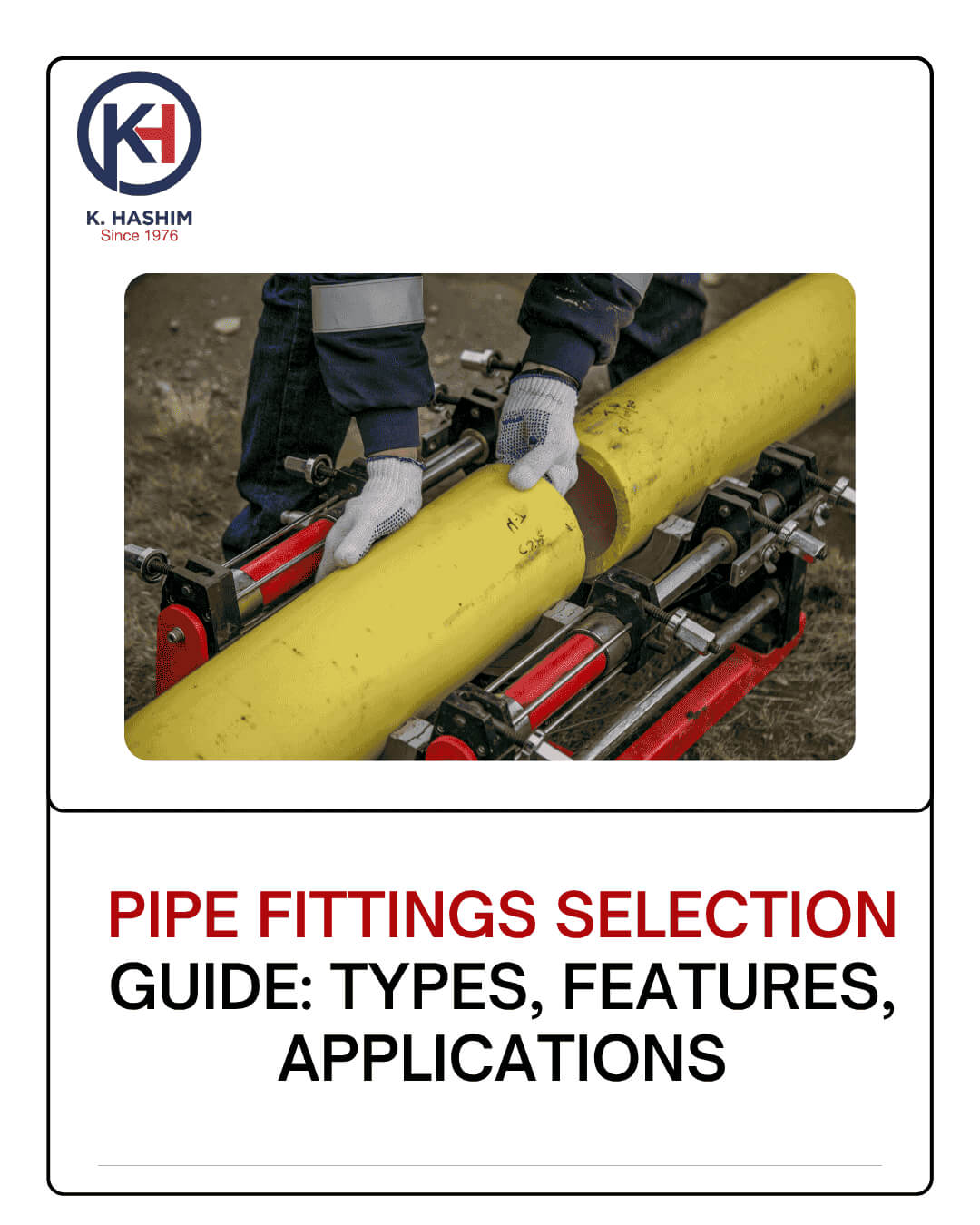
Pipe Fittings Selection Guide: Types, Features, and Applications

Selecting the right pipe fittings is one of the most important decisions in plumbing, industrial piping, and construction systems. The performance, safety, and efficiency of any piping network depend heavily on the quality and compatibility of its fittings. Whether it’s for water distribution, gas lines, HVAC systems, or industrial fluid transport, understanding how to make the right pipe fittings selection can prevent leaks, corrosion, and long-term maintenance issues.

In this guide, we’ll explore the most common types of pipe fittings, their features, materials, and practical applications across residential, commercial, and industrial sectors.

Understanding the Importance of Pipe Fittings Selection

Every piping system needs secure connections to ensure smooth fluid flow and structural integrity. Proper pipe fittings selection ensures the right size, material, pressure rating, and joint type for the system. Engineers and contractors must also consider the medium being transported, whether water, gas, oil, or chemicals, to choose compatible materials like stainless steel, brass, PVC, or copper.

A well-planned pipe fittings selection process guarantees longevity, leak resistance, and energy efficiency. It also reduces downtime in maintenance and enhances overall system performance.

Types of Pipe Fittings and Their Applications

Pipe fittings come in a wide variety of shapes and functions, each designed for specific tasks such as changing direction, connecting pipes, or closing ends. Below are some of the most commonly used fittings and their roles in plumbing and industrial applications.

1. Threaded Connectors: The Role of the Barrel Nipple

A Barrel Nipple is a short piece of pipe with external threads on both ends, used to connect two female-threaded fittings or valves. It’s commonly found in plumbing systems, oil and gas pipelines, and compressed air setups. When you focus on pipe fittings selection, consider the thread type (BSP or NPT) and the pressure rating to ensure compatibility with your system.

Barrel nipples are available in stainless steel, carbon steel, and brass, providing excellent resistance to corrosion and temperature variations.

2. End Closures and Safety: Using a Cap

A cap fitting is used to seal the end of a pipe. It’s essential in situations where a pipe system may be extended later or temporarily closed during testing. During the pipe fittings selection process, caps are chosen based on size, material, and whether the system will experience internal pressure.

Stainless steel and PVC caps are ideal for plumbing and water lines, while threaded carbon steel caps are used in high-pressure industrial environments.

3. Joining Pipes Efficiently: The Function of a Coupling

A coupling connects two pipes of the same diameter, maintaining the system’s flow and structural strength. There are full couplings, half couplings, and reducing couplings, each serving different purposes depending on system requirements.

When doing a pipe fittings selection, a coupling is chosen based on the joining method, threaded, welded, or compression type, and its resistance to pressure and corrosion. Couplings are commonly used in water distribution, irrigation systems, and chemical pipelines.

4. Four-Way Flow Control: The Cross Fitting

A cross fitting, also called a four-way fitting, has four openings arranged at right angles to each other. It allows fluid to split into different directions or merge multiple flows. Proper pipe fittings selection here involves considering equal or unequal outlet sizes, depending on whether the system requires balanced or reduced flow rates.

Cross fittings are widely used in fire sprinkler systems, industrial manifolds, and HVAC systems where multiple pipelines converge.

5. Adapting Sizes: The Importance of a Hex Bushing

A hex bushing is a small but vital fitting used to connect pipes of different sizes. Its hexagonal shape makes installation easy using a wrench, ensuring a tight, leak-proof connection. During pipe fittings selection, bushings are chosen based on thread compatibility and system pressure requirements.

They are typically used in compressed air lines, water supply systems, and hydraulic installations to ensure proper flow transition between large and small pipes.

6. Reliable Connections: How a Hex Nipple Works

A hex nipple has male threads on both ends and a hexagonal center for tightening. It is used to connect two female-threaded fittings, much like a barrel nipple, but allows for easier wrench handling. During pipe fittings selection, a hex nipple is preferred for systems requiring durable metal-to-metal sealing.

These fittings are ideal for applications in oil refineries, water treatment facilities, and heavy-duty construction pipelines.

7. Sealing the System: The Plug

A plug is a small but essential fitting used to close off the end of a pipe or an unused outlet in a fitting. It can be threaded or welded depending on the piping system. A proper pipe fittings selection ensures the plug material matches the rest of the system to prevent galvanic corrosion.

Plugs are commonly used during testing phases or in systems that may require future expansion.

8. Flow Diversion and Branching: The Tee Fitting

A tee fitting has three openings, one inlet and two outlets, used to combine or split fluid flow. Available in equal and reducing variants, tees are crucial for building branch lines in plumbing and industrial systems.

When considering pipe fittings selection, tees are evaluated for their compatibility with system pressure and medium type. They are frequently used in water distribution, gas pipelines, and chemical plants.

9. Easy Maintenance and Disassembly: The Union

A union fitting allows two pipes to be easily joined and disconnected without cutting the pipe. It is perfect for systems that require frequent maintenance, inspection, or cleaning. During pipe fittings selection, a union fitting is chosen for convenience, durability, and leak resistance.

Unions are widely used in HVAC units, water heaters, and high-pressure hydraulic systems, making them one of the most versatile fittings available.

Key Considerations for Pipe Fittings Selection

When choosing the right fittings for any system, keep these essential factors in mind:

  1. Material Compatibility: Select fittings that match the pipe material to prevent corrosion or galvanic reactions.
  2. Pressure and Temperature Ratings: Ensure the fitting can withstand the operational limits of your system.
  3. Connection Type: Decide between threaded, welded, or flanged connections depending on the application.
  4. Size and Dimension: Always measure accurately to ensure tight and leak-proof fits.
  5. Standards Compliance: Opt for fittings that comply with ISO, ASTM, or ASME standards for safety and reliability.

Proper pipe fittings selection based on these factors guarantees system integrity and operational safety.

Applications of Pipe Fittings Across Industries

Pipe fittings are used in almost every industry, from plumbing to petrochemical plants. Common applications include:

  • Residential Plumbing: For water supply and drainage systems.
  • Oil and Gas: High-pressure pipelines require durable steel fittings.
  • HVAC Systems: For regulating airflow and refrigerant circulation.
  • Chemical Processing: Corrosion-resistant materials like stainless steel and PVC are preferred.
  • Agricultural Irrigation: Lightweight couplings and tees help maintain efficient water flow.

A smart pipe fittings selection approach ensures that each fitting performs reliably within its intended application.

FAQs

1. What are the different types of pipe fittings?

The main types of pipe fittings include elbows, tees, couplings, unions, reducers, caps, plugs, crosses, and nipples. Each type serves a specific function such as changing direction, connecting pipes, or sealing ends.

2. What are the applications of pipe fittings?

Pipe fittings are used in plumbing, oil and gas pipelines, chemical processing, HVAC systems, water treatment plants, and industrial fluid transfer to connect, control, or direct flow within piping networks.

3. How to choose pipe fittings?

Choose pipe fittings based on pipe material, size, pressure rating, temperature range, and media type. Also, consider corrosion resistance and compatibility with the pipe schedule (e.g., 10, 40, or 80).

4. What are the 5 examples of fittings?

Five common examples of pipe fittings are: elbow, tee, coupling, union, and plug, each designed to change direction, join sections, or close pipe ends effectively.

Conclusion

Selecting the right pipe fittings is essential for achieving long-lasting and efficient piping systems. From simple connectors like barrel nipples and couplings to specialized fittings like crosses, tees, and unions, each component plays a crucial role in performance and safety.

A well-informed pipe fittings selection ensures optimal flow, pressure management, and ease of maintenance, whether in a residential setup or a complex industrial network. By focusing on compatibility, durability, and design, you can create piping systems that stand the test of time and deliver superior functionality.

Contact us on +971 50 486 7361 for purchasing high-quality tools, a renowned provider of quality products spanning the Marine, Oilfield, and Industrial Supply sectors. With over 45 years of experience.

Explore More Expert Insights

Discover deck & engine components, marine epoxies, fasteners, fittings, flanges, valves, and gauges for your next project.

Tips On Using Fasteners For High-Temperature Applications Guide to Using Fasteners Safely in High-Temperature Settings

Guide to Choosing Steel Flanges for Industrial Piping in DubaiSelecting the Right Steel Flanges for Industrial Piping

Unlocking Potential of SS Grease Nipples in UAE IndustriesMaximize Efficiency with Stainless Steel Grease Nipples

Choosing the Right Sounding Cock Test Valve Supplier in UAEFind Trusted Sounding Cock Test Valve Suppliers in UAE

PPE Kit Guide: Safety Equipment Standards & RequirementsComprehensive PPE Kit Guide for Safety Compliance in UAE

Tips On Using Fasteners For High-Temperature Applications

Fasteners are a critical component of companies where performance, safety, and strength should never be compromised. In high temperature power plants, petrochemical refineries, aerospace industries, and automotive factories, fastener selection is key to retaining strength and proper operation. The challenge lies in controlling thermal expansion, oxidation, and load fluctuation, which can weaken the fastening solution unless properly designed.

Understanding fastener behavior in extreme heat allows engineers and technicians to prevent premature failure, extend service life, and meet safety standards. Below are guidelines that professionals give on using fasteners at high temperatures.

1. Selecting the Right Fastener Materials

Selecting the right material is the first step toward guaranteeing that one’s fasteners will serve effectively in high-heat conditions. Stainless steel, Inconel, and titanium alloys are usually selected because of their oxidation, creep, and thermal fatigue resistance.

Upon exposure to temperatures greater than 400°C, common fasteners lose tensile strength and therefore loosen or break. In applications where it matters most, however, alloy-based fasteners with high chromium and nickel content are optimal since they are scale-resistant and stable.

2. Thermal Expansion and Load Management Understanding

Metals get expanded with high temperatures. If fasteners are not chosen with thermal expansion in mind, it can lead to loosening of joints or overstressing. Engineers make use of disc spring washers to counter the load variation and maintain the clamping force in place even in the presence of fluctuating heat cycles.

By such component integration in assemblies, industries are able to reduce the likelihood of bolt fatigue or vibration-induced failure to a significant extent.

3. Heat-Resistant Coatings and Surface Treatments

Protective coatings improve the durability of fasteners. Ceramic coatings, PTFE (Teflon), and custom anti-oxidation treatments enhance heat resistance while lowering friction. Coatings also reduce galling and seizing, which are prevalent in high-heat applications.

For instance, with a copper washer and kit, sealing performance under high thermal loads is better guaranteed, hence making it ideal for application in engines, pipelines, and heat exchangers.

4. Significance of Retaining Rings and Circlips

In high-temperature equipment, fasteners tend to need additional support for maintaining rotating or moving parts. external circlips and internal circlips are widely used for achieving axial holding and preventing dislocation of parts under extreme heat and vibration.

These compact but efficient retaining rings have mechanical strength in turbines, compressors, and other rotary machines subjected to severe operating stress.

5. Lubrication and Maintenance Practices

Lubrication plays a significant role in working with high-heat exposed fasteners. In the absence of lubrication, friction is generated, which can lead to galling, wear, and failure. Grease nipples and industrial lubricants allow technicians to apply grease in the right spots, reducing downtime and extending service life.

Balanced maintenance checks, torque updates, and lubrication cycles are most critical in ensuring fasteners maintain integrity under extreme weather conditions.

6. Locking Mechanisms for Secure Joints

Severe heat has a tendency to increase the likelihood of loosening by vibration and cyclic expansion. Prevention of self-loosening is possible using high-performance locking devices such as a nord lock washer, where joints will remain tight even under fluctuating loads.

The washers find applications in industries such as aerospace, energy, and heavy-duty machinery manufacturing, where joint safety is not something to be compromised.

7. Fittings of High Precision for Pressure Systems

In applications like boilers, pipelines, and chemical plants, precise fittings are essential. Fittings like barrel nipple and hex brushing ensure leak-free connections in high-temperature, high-pressure systems. Similarly, a weldolet provides reinforced branch connections, which maintain system integrity in abusive environments.

By including the proper fittings and unions, engineers can reduce the risk of pressure loss and ensure optimal overall system efficiency.

8. Keys and Unions for Rotating Equipment

Rotating equipment under hot applications demands reliable torque transmission. Parallel shaft keys play a vital role in ensuring power transfer from shafts to components without slipping. In combination with a union, they provide safe, dismountable joints that are simple to maintain and can dissipate heavy mechanical and thermal loads.

These solutions are especially essential in motors, pumps, and turbines where downtime costs are extremely high.

9. Monitoring Fastener Performance in Service

Even the strongest fasteners deteriorate under adverse conditions if they are not inspected. Using non-destructive test (NDT) methods such as ultrasonic testing or thermal imaging, one can detect early signs of fatigue, creep, or micro-cracking.

In addition, digital torque monitoring systems help ensure bolts are tightened to specification precision, which is essential when maintaining joint integrity in high-temperature service.

10. Applications Where High-Temperature Fasteners Are Required

  • Aerospace engines require lightweight, heat-resistant fasteners that can withstand rapid temperature changes.
  • Automotive exhaust systems rely on high-temperature washers and circlips to dissipate vibration and repeated heat cycles.
  • Oil & gas pipelines need secure joints utilizing nipples, unions, and weld fittings to maintain system integrity.
  • Power plants use spring washers, keys, and locks to protect turbines and boilers during long exposure to high heat.

In each case, the correct choice of fastener guarantees safety, efficiency, and final reliability.

11. Role of Advanced Tool in Fastener Installation

Proper installation of high-temperature fasteners requires the correct tools. Advanced torque wrenches, hydraulic tensioners, and power tools are the ideal instruments for precise tightening. In such cases as turbine assembly or boiler repair, technicians employ power tools to apply controlled torque to attain proper preload without distorting the fastener.

High-performance power tools are not only time savers but also offer repeatable accuracy, which is the most important thing when working in industries where safety is the number one concern.

12. Future Trends in High-Temperature Fasteners

With companies heading towards cleaner energy and new-generation manufacturing processes, fastener technology is also evolving. We are seeing trends like:

  • Intelligent fasteners that contain sensors to monitor tension and heat in real time.
  • Sustainable coatings that are resistant to oxidation without using poisonous chemicals.
  • Additive manufacture of bespoke fasteners designed for certain high-temperature uses.

These technologies will assist industries in increasing reliability while decreasing the cost of maintenance.

FAQS

1. What fasteners are available for high temperature application?

Inconel, stainless steel (A286, 304, 316), titanium, and alloy steel fasteners.

2. Which type of fastener is recommended in hot and humid marine climates?

316 stainless steel fasteners are best due to superior corrosion resistance.

3. What is the heat treatment process for fasteners?

Processes include annealing, quenching, tempering, and carburizing to improve strength and toughness.

4. What kind of bolt is best for high heat?

Inconel bolts are ideal as they retain strength and resist oxidation at extreme temperatures.

Conclusion

Use of fasteners under high-temperature environments needs precision, experience, and suitable materials. From Copper Washer & Kit for sealing to Nord Lock Washer used for locking, each component has its role in the attainment of system stability. Support parts such as Disc Spring Washers, Grease Nipples, and Parallel Shaft Keys also help towards enhanced performance under harsh heat and pressure.

Installed by precise tools and maintained through frequent inspections, these fasteners are reliable and long-lasting in industries where failure is not an option. Through the application of these expert recommendations, engineers and technicians can supply dependable fastening solutions resistant to harsh thermal conditions.

Call K.Hashim LLC on +971 6 533 8006 for purchasing high-quality tools, a trusted supplier of building materials and industrial solutions.

Explore More Expert Insights

Discover deck & engine components, marine epoxies, fasteners, fittings, flanges, valves, and gauges for your next project.

Pipe Fittings Selection Guide: Types, Features, ApplicationsComplete Guide to Choosing Pipe Fittings for Every Job

Guide to Choosing Steel Flanges for Industrial Piping in Dubai Selecting the Right Steel Flanges for Industrial Piping

Unlocking Potential of SS Grease Nipples in UAE Industries Maximize Efficiency with Stainless Steel Grease Nipples

Choosing the Right Sounding Cock Test Valve Supplier in UAEFind Trusted Sounding Cock Test Valve Suppliers in UAE

PPE Kit Guide: Safety Equipment Standards & Requirements Comprehensive PPE Kit Guide for Safety Compliance in UAE

Difference Between Seamless vs Welded Pipe Fittings

Understanding the difference between seamless vs welded pipe is essential for engineers, contractors, and industrial buyers who want durability, safety, and long term performance.

Steel pipes are used across oil and gas, construction, power generation, and manufacturing industries, but choosing the wrong type can lead to pressure failure, corrosion, or increased maintenance costs.

Although seamless and welded pipes may look similar, their internal structure, strength, and applications are very different.

What Is a Seamless Pipe

A seamless pipe is manufactured from a solid steel billet that is heated and pierced to form a hollow tube. The pipe is then rolled and stretched until the required diameter and wall thickness are achieved.

Since no welding is involved, the pipe has a uniform structure throughout its length. This makes seamless steel pipes highly reliable for high pressure and high temperature applications.

Seamless Pipe Manufacturing Process

The seamless pipe manufacturing process begins with heating a steel billet to high temperatures. The billet is pierced to create a hollow section and then elongated through rolling or extrusion. This process ensures consistent mechanical properties and eliminates the presence of a welded seam.

Seamless Pipe Applications

Seamless pipes are widely used in oil and gas pipelines, refineries, power plants, boilers, chemical processing units, and hydraulic systems. These industries require pipes that can withstand extreme pressure and temperature without failure.

What Is a Welded Pipe

A welded pipe is manufactured by forming steel plates or coils into a cylindrical shape and welding the edges together. The welded seam runs along the length of the pipe and is tested to meet industry quality standards. Modern welding technology has significantly improved the strength and reliability of welded pipes.

Welded Pipe Manufacturing Process

Welded pipe production involves rolling steel strips into a round shape and joining them using high quality welding methods. After welding, the pipe may undergo heat treatment, pressure testing, and surface finishing to enhance performance and durability.

Welded Pipe Applications

Welded pipes are commonly used in water supply systems, construction frameworks, fire protection systems, HVAC installations, and structural steel applications where operating pressure is moderate.

Manufacturing Difference Seamless and Welded Pipe

The main manufacturing difference between seamless and welded pipe is the presence of a welded joint. Seamless pipes are formed from a single piece of metal, while welded pipes rely on a welded seam. This difference affects mechanical strength, pressure handling capacity, and long term reliability.

Strength and Pressure Resistance Comparison

When comparing seamless vs welded pipe strength, seamless pipes offer better resistance to high pressure and mechanical stress due to their continuous metal structure. They perform well in extreme environments where safety is critical.

Welded pipes can also handle pressure effectively when manufactured to high standards, but the welded seam remains the most sensitive area, especially in corrosive or high stress conditions.

Cost Difference Between Seamless and Welded Pipe

Seamless pipes are more expensive due to their complex manufacturing process and higher production costs. They are typically selected for critical applications where performance is more important than cost.

Welded pipes are more affordable and widely available in various sizes and thicknesses. Their cost effectiveness makes them suitable for large scale and budget sensitive projects.

Size Availability and Design Flexibility

Welded pipes offer greater flexibility in terms of size and customization. They can be produced in larger diameters and different wall thicknesses. Seamless pipes have limitations in size availability, particularly for large diameter applications.

Surface Finish and Dimensional Accuracy

Welded pipes generally have a smoother surface finish and more consistent dimensions, which is beneficial for structural and aesthetic applications. Seamless pipes may have a slightly rougher finish due to the manufacturing process, but this does not affect their performance.

Seamless vs Welded Pipe Which One Is Better

There is no single answer to which pipe is better. Seamless pipes are ideal for high pressure and high temperature environments, while welded pipes are suitable for standard applications where cost and availability are key considerations.

How to Choose Between Seamless and Welded Pipe

Choosing the right pipe depends on operating pressure, temperature, environmental conditions, and budget. Seamless pipes are recommended for critical high-pressure industrial applications, while welded pipes are effective for general-purpose and structural use.

Selecting the correct high-pressure pipe fittings in Dubai ensures safety, durability, and long-term performance for your project.

AI Overview

Seamless vs welded pipe comparison explaining strength, manufacturing process, cost, pressure resistance, and applications to help choose the right steel pipe for industrial and construction use.

FAQs

Is seamless pipe better than welded pipe?

Yes, seamless pipes offer higher strength, pressure resistance, and corrosion performance, making them better for critical applications.

Can welded pipes be used for oil and gas?

Yes, but mainly for low-pressure and non-critical pipelines. High-pressure oil and gas lines typically require seamless pipes.

Which pipe lasts longer?

Seamless pipes generally have a longer service life, especially in harsh environments.

Why are seamless pipes more expensive?

Due to complex manufacturing, higher material waste, and stricter quality controls.

Final Conclusion

Understanding the difference between seamless vs welded pipe helps industries make informed decisions that improve safety, performance, and cost efficiency. Seamless pipes provide superior strength and reliability, while welded pipes offer flexibility and affordability.

Choosing the right pipe is only effective when you source it from a trusted supplier. K. Hashim LLC is a reliable pipe fitting supplier in UAE, providing high quality seamless and welded pipes for oil and gas, construction, mechanical, and industrial applications.

Contacting a fitting expert today will help you get the right seamless and welded pipe solution for your project and ensure long-term performance and reliability.

Explore More Expert Insights

Explore our expert insights to stay updated on the latest piping solutions, flange types, and industrial best practices.

Epoxy vs Polyurethane Coatings: Which One Is Better?: Choosing the right coating for maximum protection and durability.

Choosing the Best Camlock Fitting: A Simple Guide: Choose the right camlock fitting with expert insights on materials, applications, and performance.

Differences Between Gate Valves and Globe Valves: A quick comparison to help you choose the right valve for precise flow control and long-term performance.

Different Types of Buttweld Fittings and Their Applications: Explore Buttweld Fittings: Types and Practical Applications

Importance of Expansion Joints in Building Construction: Importance of Expansion Joints in Building Construction