
In the case of industrial piping systems, it is essential to choose the appropriate valve that would guarantee its safety, efficiency, and durability. The common types of valves include flanged and threaded valves among others. Although both are applicable in the same way of controlling how liquids and gases move, they may differ a great deal in their design and use.
The main differences lie in their connection method, pressure suitability, size, and ease of maintenance. In this blog, we will explore these differences in-depth, compare the advantages and disadvantages of each, and help you decide which valve type is best suited for your specific needs.
What Are Flanged Valves?
Flanged valves are a valve which connects to the pipeline by means of flanges. Flange is a mechanical piece that is applied to join pipes or valves to another system. When dealing with flanged valves, the valve body is either welded or bolstered at the ends. These flanges develop a close fitting between the corresponding flange of the pipe making the connection of both parts secure and leak free.
Key Features of Flanged Valves:
- Large Size Compatibility: Flanged valves are often used in larger systems and industrial applications where the valve needs to handle high pressures and volumes.
- High Pressure Suitability: Flanged valves are typically rated for high pressure and can withstand extreme conditions.
- Ease of Installation: Due to their design, flanged valves are easier to install and remove, especially when dealing with larger systems.
What Are Threaded Valves?
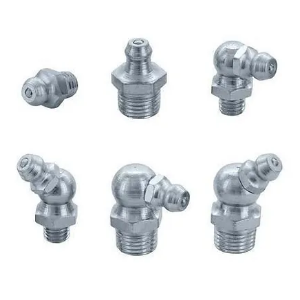
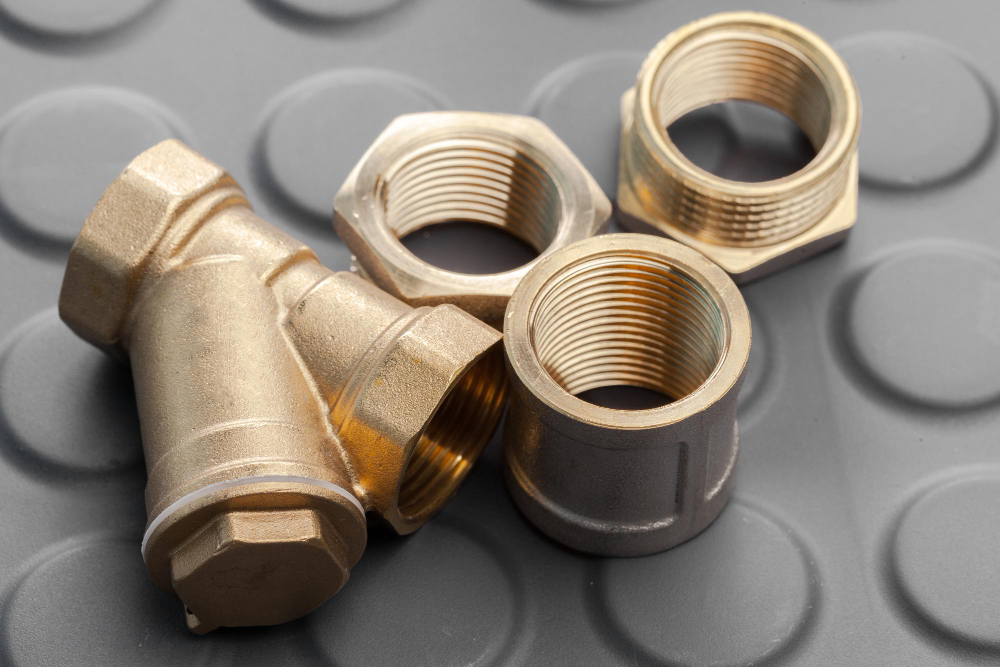
Threaded valves, on the other hand, use threads on the valve body and the pipe to create a connection. The threaded portion of the valve is screwed directly into the pipe or fitting, forming a secure, yet usually less rigid, connection compared to flanged valves. These valves are commonly used in smaller-scale systems, including residential and light commercial plumbing.
Key Features of Threaded Valves:
- Compact Size: Threaded valves are typically smaller and more compact than flanged valves, making them ideal for smaller pipelines or spaces with limited installation room.
- Lower Pressure Suitability: These valves are generally suited for lower-pressure applications compared to flanged valves.
- Simpler Installation: Threaded valves are easier to install in systems where the space is limited and the pressure requirements are lower.
Key Differences Between Flanged and Threaded Valves
Understanding the key differences between flanged and threaded valves can help you choose the right valve for your application. Below are the primary points of comparison:
| Feature | Flanged Valves | Threaded Valves |
|---|---|---|
| Connection Method | Uses flanges with bolts and gaskets | Uses threaded connection, screwed into pipes |
| Pressure Suitability | High-pressure suitability | Suitable for low-pressure applications |
| Size | Suitable for larger pipelines and industrial applications | Typically used in smaller pipelines or residential applications |
| Ease of Installation | More complex, requires more space and equipment | Simple to install, requires less space |
| Ease of Maintenance | Easy to remove and replace, accessible for maintenance | Harder to remove, especially in tight spaces |
| Durability | Highly durable and suitable for harsh conditions | Less durable under high-pressure or temperature conditions |
| Cost | Generally more expensive due to size and construction | Cost-effective, generally less expensive |
| Application Range | Industrial applications, high flow, and high pressure | Residential plumbing, low volume industrial applications |
| Weight | Heavier due to large size and bolted construction | Lighter and more compact |
| Installation Space | Requires more space due to flanged connection | Requires less space, suitable for tight installations |
Advantages and Disadvantages of Flanged Valves
Advantages:
- High Pressure and Temperature Suitability: Flanged valves are designed to handle extreme conditions, including high pressure and temperature.
- Durable Connection: The bolted flange connection is strong and durable, providing a long-lasting solution for heavy-duty applications.
- Easy to Maintain: The design allows for easier access during maintenance and repair.
- Wide Range of Sizes: Available in a variety of sizes, flanged valves can be used in almost any industrial application.
Disadvantages:
- Complex Installation: Flanged valves require more space for installation and are typically more complicated to install compared to threaded valves.
- Higher Costs: Due to their larger size and heavy-duty construction, flanged valves can be more expensive to purchase and install.
- Heavyweight: The design of flanged valves makes them heavier, which can be a disadvantage in systems with space constraints or when weight is a concern.
Advantages and Disadvantages of Threaded Valves
Advantages:
- Simple and Compact: Threaded valves are simpler and more compact, making them easier to install in tight spaces.
- Lower Cost: These valves are often less expensive than flanged valves, making them a cost-effective choice for smaller applications.
- Ease of Installation: Threaded valves can be quickly installed without the need for special equipment.
Disadvantages:
- Limited Pressure Suitability: Threaded valves are not suitable for high-pressure systems and may fail under extreme conditions.
- Difficult to Maintain: Once installed, threaded valves are harder to remove and replace, especially in tight spaces.
- Limited Size Range: Threaded valves are typically used in smaller pipes and are not suitable for large-scale industrial applications.
Which Valve is Right for Your Application?
The decision to use flanged and threaded valves will depend on the unique needs of your piping system extensively. When dealing with high pressure systems, large size pipes, or require a long-lasting solution when dealing with industry applications, then you will prefer to use flanged valves. Conversely, threaded valve is an efficient and cost effective solution to smaller systems, lower pressure applications or applications that require less space.
You should put into consideration the maintenance requirements, size and pressure of your system before making a decision. As well, it can be recommended that you consult with a professional in valve systems to make sure that you have picked the correct type of valve that will perform at its best and last longer.
Conclusion
Flanged and threaded valves have their own advantages and would fit in various systems. The primary distinctions are in the way they are connected, the appropriateness of the pressure, size, and maintenance. Although the flanged valves are better in high pressure and use in large-scale purposes, threaded valves are a better in-between solution to smaller systems. With these important differences, you will be able to select the most suitable type of valve to use in your particular requirements which will make your piping system operate safely and efficiently.
K. Hashim LLC is a trusted supplier of valves and other industrial components to people who are in need of high quality valves and also good services. They are a great company to do any piping system installation or upgrade due to their quality and expertise.