
- Abrasives & Drilling
- Buttweld Fittings
- Camlock Couplings and Fittings
- Clamps & Couplings
- Deck & Engine Store Supplies
- Fasteners & Hardware
- Fittings & Flanges
- Gaskets
- High-Pressure Pipe Fittings
- Hoses
- Industrial Epoxies & Spray Coatings
- Industrial Fasteners – Bolts, Nuts & Screws
- Industrial Gaskets & Sealing Products
- Lifting & Rigging
- Marine
- Marine Valves & Flow Control Solutions
- Oilfield & Industrial Supplies
- Packing & Industrial Materials
- Pipe Couplings & Expansion Joints
- PPE & Chemicals
- Safety
- Safety Items & Personal Protective Equipment
- Steel Flanges for Piping Systems
- Tools
- Valves
- Industrial Area 1, Sharjah, UAE
- sales@khashim.com
- info@khashim.com
- +971 6 533 8006
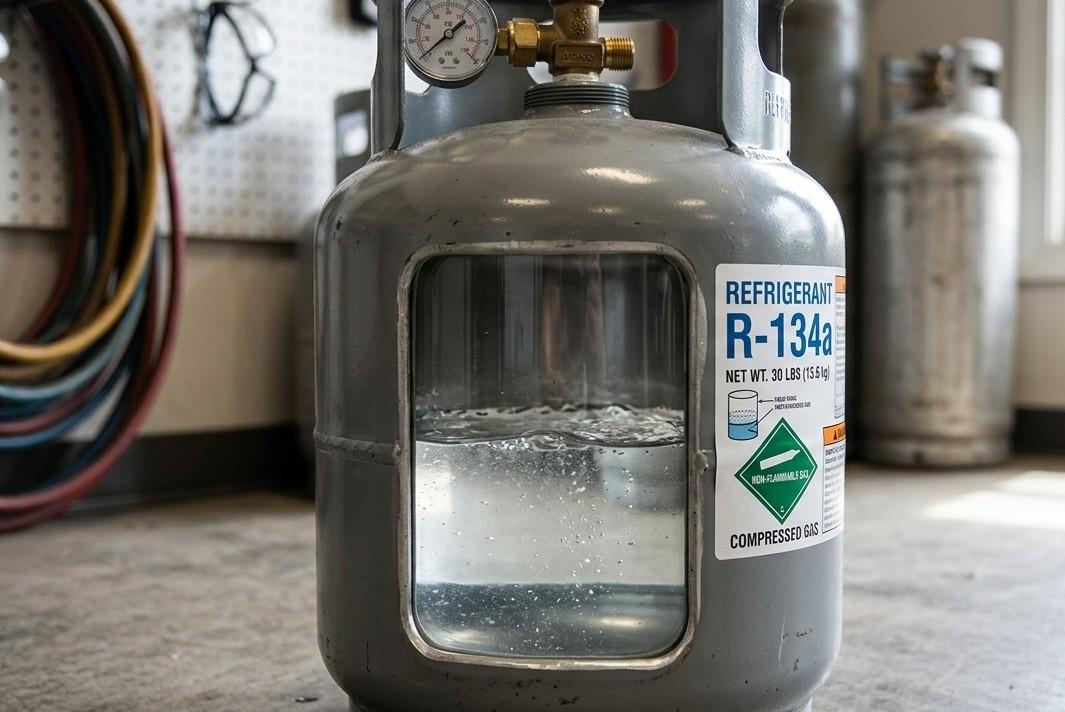
Common Refrigerant Gas Leaks and Prevention Tips
Refrigerant gas is one of the most important components in air conditioning and refrigeration systems. It helps absorb heat from indoor spaces and transfers it outside, allowing cooling systems to maintain comfortable temperatures.
However, refrigerant leaks are a common issue that can reduce cooling performance, increase energy consumption, and damage HVAC equipment. A small refrigerant leak may go unnoticed for weeks, causing gradual performance problems and higher operating costs.
Understanding the common causes of refrigerant gas leaks, identifying early warning signs, and following proper maintenance practices can help extend the lifespan of air conditioning systems and prevent expensive repairs.
This guide explains why refrigerant leaks happen, how to detect them, and practical ways to prevent refrigerant loss in HVAC systems.
What Causes Refrigerant Gas Leaks?
Refrigerant leaks can occur due to several reasons, including equipment damage, poor installation, aging components, and lack of maintenance. Unlike fuel or water leaks, refrigerant leaks are often difficult to detect because the gas is usually invisible and escapes slowly.
1. Damaged Refrigerant Lines
Copper refrigerant pipes connect different parts of an air conditioning system. Over time, these pipes may develop cracks or holes due to:
- Vibration from the compressor
- Physical damage
- Corrosion
- Poor installation practices
Even a small crack in the refrigerant line can lead to gradual gas loss and reduced cooling performance.
2. Loose or Faulty Connections
Refrigerant systems depend on secure connections between pipes, valves, and components. Loose fittings or improper connections can create small gaps where refrigerant escapes.
Common problem areas include:
- Flare connections
- Service valves
- Pipe joints
- Refrigerant charging ports
Proper installation and regular inspection help prevent these issues.
3. Corrosion of HVAC Components
Corrosion is a major cause of refrigerant leaks, especially in older air conditioning units. Moisture, chemicals, and environmental conditions can weaken metal components over time.
Corrosion commonly affects:
- Evaporator coils
- Condenser coils
- Refrigerant tubing
Regular HVAC maintenance helps identify corrosion before it develops into a serious leak.
4. Worn-Out Evaporator or Condenser Coils
The evaporator and condenser coils play a key role in heat transfer. As these components age, corrosion and small cracks can appear, allowing refrigerant gas to escape.
Replacing damaged coils or repairing minor issues early can prevent system failure.
5. Poor HVAC Installation
Incorrect installation is one of the most common reasons for refrigerant leaks in new systems. Problems may include:
- Incorrect pipe connections
- Poor brazing work
- Improper refrigerant charging
- Damaged components during installation
Choosing experienced HVAC professionals ensures the system is installed correctly from the beginning.
Signs of a Refrigerant Gas Leak
Identifying refrigerant leaks early can prevent major damage. Look for these common warning signs:
Reduced Cooling Performance
If your air conditioner takes longer than usual to cool a room or cannot reach the desired temperature, low refrigerant levels may be the cause.
Ice Formation on AC Components
A refrigerant leak can reduce pressure inside the system, causing moisture to freeze on evaporator coils or refrigerant lines.
Visible ice buildup is a common indicator that the system needs inspection.
Higher Electricity Bills
When refrigerant levels are low, an air conditioner works harder to maintain cooling. This increased workload can lead to higher energy consumption.
Hissing or Bubbling Sounds
Small refrigerant leaks may create hissing sounds as gas escapes from damaged pipes or connections. Larger leaks may produce noticeable bubbling noises near refrigerant lines.
Unusual Odors
Some refrigerants may have a mild chemical smell. If unusual odors are detected near an HVAC system, professional inspection is recommended.
Common Types of Refrigerant Gas Used in Cooling Systems
Different HVAC systems use different refrigerants depending on their design, efficiency requirements, and environmental regulations.
| Refrigerant Type | Common Applications |
|---|---|
| R-22 | Older air conditioning systems |
| R-410A | Residential and commercial AC systems |
| R-32 | Modern energy-efficient air conditioners |
| R-134a | Automotive and refrigeration applications |
Choosing the correct refrigerant type is essential because using the wrong gas can damage equipment and reduce efficiency.
How to Prevent Refrigerant Gas Leaks
Preventive maintenance is the best way to reduce the risk of refrigerant leaks and improve HVAC performance.
Schedule Regular AC Maintenance
Routine inspections help identify damaged components before they become major problems. Professional maintenance should include checking:
- Refrigerant pressure levels
- Pipe connections
- Coil condition
- System performance
Regular servicing also improves cooling efficiency and reduces unexpected breakdowns.
Inspect Refrigerant Lines Regularly
Checking refrigerant lines for corrosion, damage, or loose connections can prevent small problems from becoming expensive repairs.
Look for:
- Rust or corrosion marks
- Oil stains near pipes
- Damaged insulation
- Physical cracks
Keep Coils Clean
Dirty evaporator and condenser coils reduce system efficiency and increase pressure on HVAC components.
Cleaning coils regularly helps maintain proper airflow and reduces the risk of overheating and refrigerant-related issues.
Ensure Proper HVAC Installation
Professional installation plays a major role in preventing future refrigerant leaks.
Qualified technicians should:
- Use correct installation methods
- Perform leak testing
- Apply proper brazing techniques
- Charge refrigerant according to manufacturer specifications
Avoid DIY Refrigerant Handling
Handling refrigerants requires specialized tools and technical knowledge. Incorrect refrigerant charging or repairs can damage the system and create safety risks.
Always rely on trained HVAC professionals for refrigerant leak detection and repair.
Best Methods for Detecting Refrigerant Leaks
Professional technicians use several methods to locate refrigerant leaks accurately.
Electronic Leak Detection
Electronic leak detectors can identify small refrigerant leaks that are difficult to find manually.
UV Dye Testing
A special dye is added to the system and inspected using UV light to locate leak points.
Nitrogen Pressure Testing
Technicians may use nitrogen testing to identify pressure drops and locate damaged areas in refrigerant circuits.
Using the correct detection method helps ensure permanent repairs instead of temporary solutions.
Why Refrigerant Leak Prevention Matters
Preventing refrigerant leaks provides several benefits:
- Better cooling performance
- Lower energy consumption
- Longer HVAC equipment lifespan
- Reduced repair expenses
- Improved environmental protection
A well-maintained cooling system operates more efficiently and provides consistent comfort throughout the year.
Conclusion
Refrigerant gas leaks are a common HVAC problem caused by damaged pipes, poor installation, corrosion, and aging components. Identifying early warning signs such as reduced cooling, ice buildup, and increased energy consumption can help prevent expensive repairs and improve system efficiency.
Regular maintenance, proper installation, and professional leak detection are essential for keeping air conditioning and refrigeration systems operating reliably.
For reliable refrigerant gas solutions, expert guidance, and quality HVAC products, K Hashim LLC provides trusted support to help customers maintain efficient cooling systems and prevent refrigerant-related issues. Contact now to discuss your requirements and get professional assistance for your HVAC needs.
Explore More Expert Insights
Discover guides on all hardware, building materials, and electrical products for your next project.
- 5 Signs Your Industrial Hose Needs Replacement: Key signs that your industrial hose needs replacing before failure occurs.
- What Is an Industrial Hose? Everything You Need to Know: A beginner’s guide to industrial hose types, uses, and selection.
- What Is a Mitutoyo Digital Caliper? Types, Uses & Accuracy: Guide to Mitutoyo digital calipers and accuracy.
- Top Guide to Mitutoyo Bore Gages for Internal Diameter Measurement: Understanding bore gages for internal measurements.
- Pilot Ladder and Manila Rope Guide for Safe Boarding: Guidance on pilot ladders and manila rope for safe vessel boarding.
Popular Posts

April 4, 2024

April 22, 2024


May 28, 2024